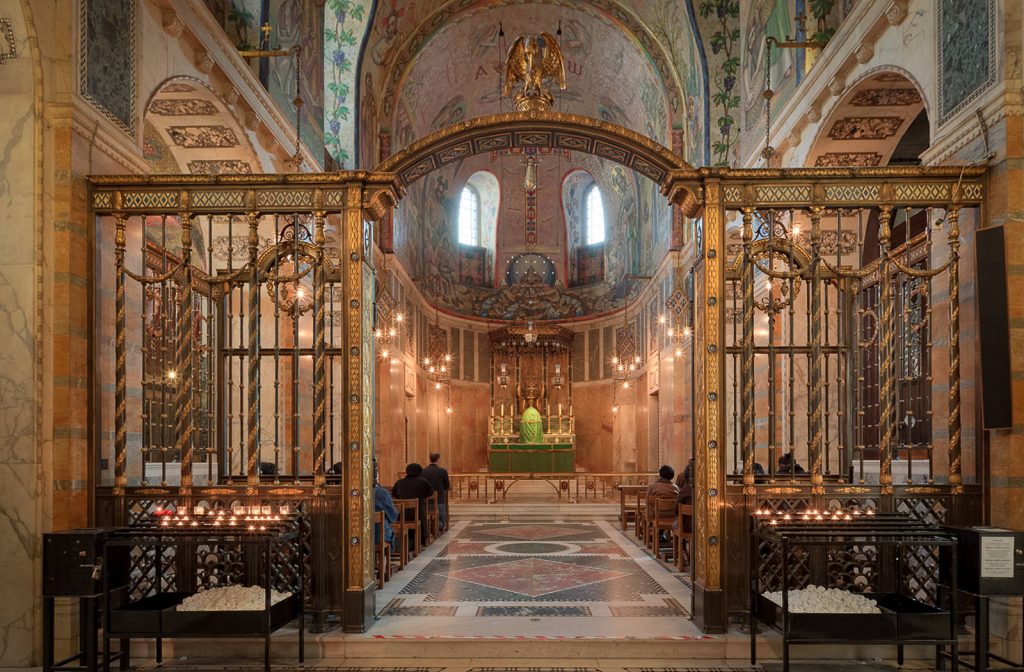
When photographing the interiors of a church, the photographer faces not only the magnificent architecture but also a dialogue with time, faith, and light. Entering an ancient church, one is often struck by the soaring domes, exquisite stained glass windows, and silently standing church statues. These statues, though silent, add a unique narrative quality to the image with their flowing lines and profound religious symbolism.

In terms of composition, the symmetry of the church interior is often very clear, and central perspective can be used to emphasize the depth of the space. Especially under the soft light of morning or evening, the colors projected from the stained glass windows flow between the floor and the vault, providing theatrical light and shadow effects for photography. When photographing church statues, consider using a low angle to make the statues appear more powerful in the frame; or use side lighting to make their surface textures and signs of age more delicately visible.

Furthermore, long exposure is also an excellent technique for expressing the atmosphere of a church. The faint candlelight and the movement of worshippers can leave a hazy trail in the image, making the photograph more spiritual. Maintaining silence and respecting the scene are fundamental principles of church interior photography, especially during religious ceremonies, where shutter sounds and actions must be handled with extreme care.
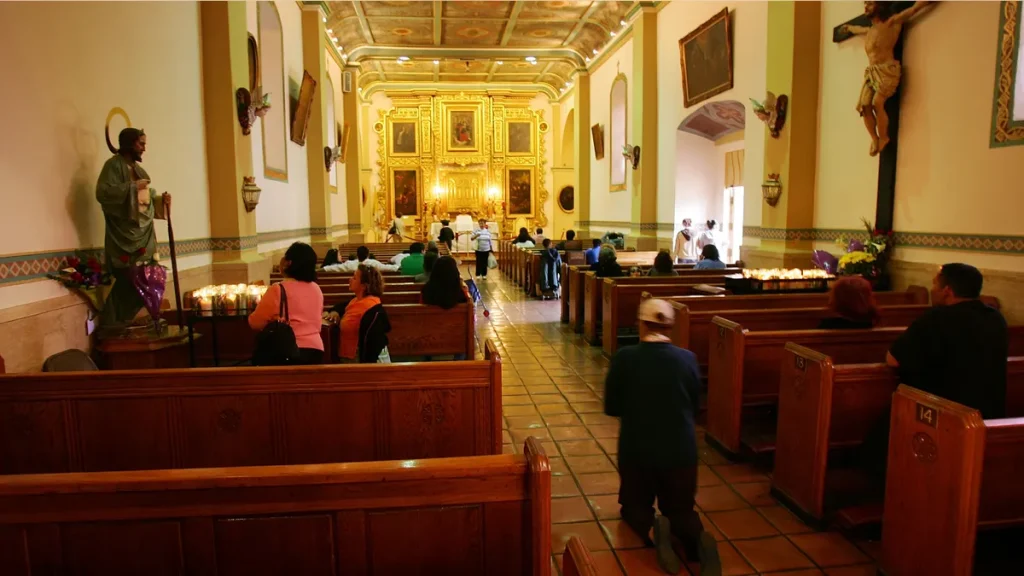
The allure of church interior photography lies in its ability to record not only space but also the soul. When light penetrates the dome, when statues emerge from shadows, when architecture and faith intertwine to create poetry, the photographer captures a power that transcends the objects themselves. This is precisely what makes church photography so moving.