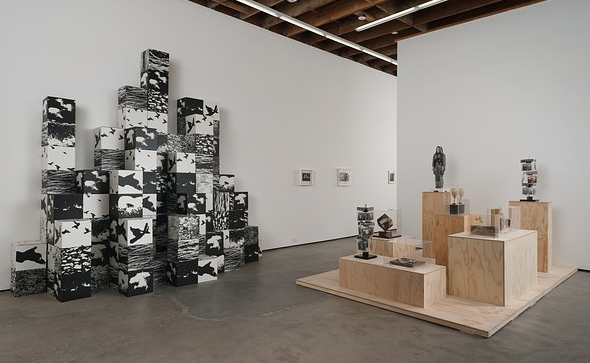
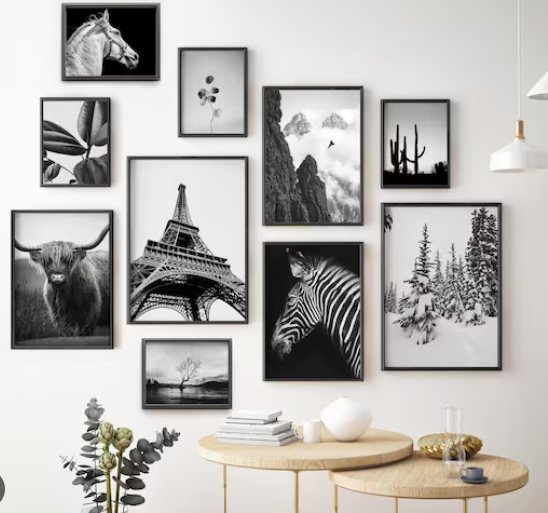
Black and white photography has an enduring appeal that transcends time. Its ability to evoke emotion and capture the essence of a moment makes it a powerful medium for artists and audiences alike. In this blog post, we’ll explore the significance of black and white photo art, delve into its technical aspects, and discuss its impact on contemporary photography.
The Timelessness of Black and White Photography
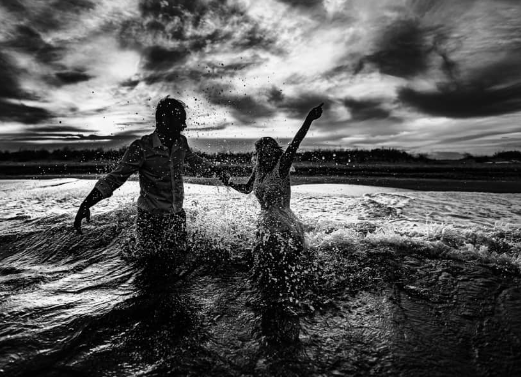
Black and white photography has a unique charm that many believe enhances the storytelling aspect of an image. Without the distraction of color, viewers are often drawn to the composition, shadows, and textures that tell a deeper narrative. This style allows photographers to focus on contrasts and highlights, resulting in striking images that emphasize emotion and mood. Iconic photographers like Ansel Adams and Dorothea Lange have showcased how monochrome can bring a powerful dimension to art, making their works timeless classics.
Techniques to Master for Stunning Black and White Shots

Creating captivating black and white photographs involves understanding specific techniques that enhance the final image. One essential technique is effective use of lighting. Shadows and highlights play crucial roles; knowing how to manipulate natural light can transform a standard shot into a work of art. Additionally, shooting in RAW format allows for greater flexibility in post-processing, where adjustments to contrast and exposure can significantly elevate the image’s impact. Remember, while colors add vibrancy, textures, patterns, and form become the stars of the show in monochrome photography.
The Role of Black and White in Modern Art
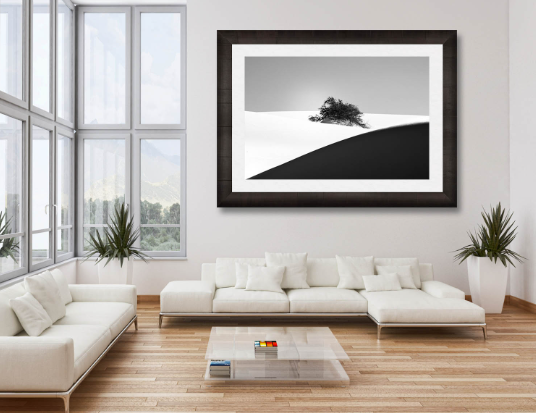
In a world saturated with color, black and white photography has found its niche in contemporary art. Many modern artists use this style to evoke nostalgia and create a sense of timelessness in their work. As more photographers embrace minimalism, the absence of color can create an emotional void that resonates deeply with viewers. Black and white art often encourages contemplation, engaging the audience in a reflective experience. Various online galleries and social media platforms highlight many emerging talents who choose to express themselves through this classic form, showing that black and white photography is far from obsolete.
In conclusion, black and white photo art is not merely a trend but a significant form of expression that captures the imagination. It invites viewers to slow down, appreciate the subtle details, and connect with the emotions conveyed through the absence of color. If you’re intrigued by this timeless art form, consider exploring the world of black and white photography further; whether through your lens or by seeking out captivating works from renowned photographers, there’s always something new to discover.