
What Defines Still Life Photographers?
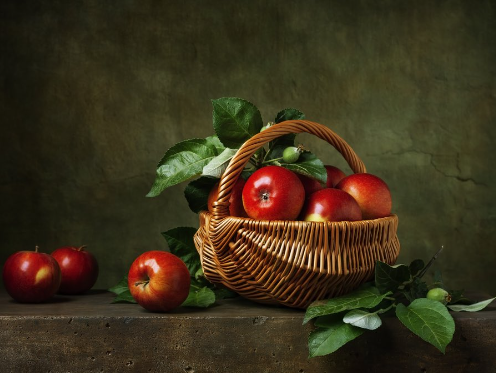
Still life photographers specialize in the deliberate arrangement and documentation of inanimate subjects. Unlike portrait or documentary practitioners, they operate within highly controlled environments where lighting ratios, surface textures, spatial relationships, and compositional geometry are meticulously engineered. The still life genre is not defined by the simplicity of its objects—fruit, flowers, tableware, manufactured goods—but by the intentionality behind their placement and illumination.
At its core, still life photography is a study of form, texture, color, and symbolism. The photographer assumes total authorship of the frame. Every shadow is designed, every highlight calculated, every negative space justified. This precision makes still life one of the most technically demanding disciplines in photography.
Historical Foundations of Still Life Photography
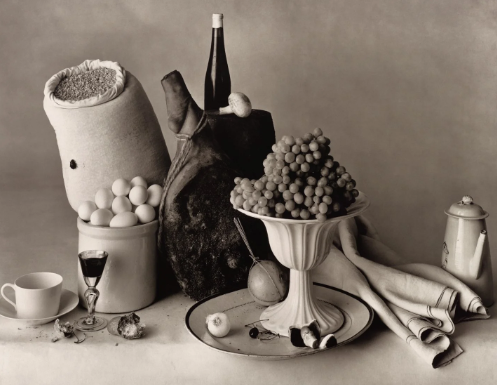
The visual language of still life photography is deeply rooted in 17th-century European painting, particularly Dutch vanitas traditions. When photography emerged in the 19th century, early practitioners borrowed compositional structures directly from painters—centralized arrangements, dramatic chiaroscuro, and symbolic objects representing mortality and material wealth.
In the 20th century, modernists such as Edward Weston transformed the genre. Weston’s close-up studies of peppers and shells elevated everyday objects into sculptural abstractions. Similarly, Irving Penn introduced minimalist backdrops and refined studio lighting, shaping commercial still life aesthetics for decades.
Contemporary photographers continue to reinterpret the tradition, blending fine art sensibilities with advertising precision, often incorporating digital compositing and advanced retouching workflows.
Technical Mastery: Light, Composition, and Control
Still life photographers function as both director and cinematographer within a static set. The absence of motion does not simplify the process; it amplifies the importance of technical control.
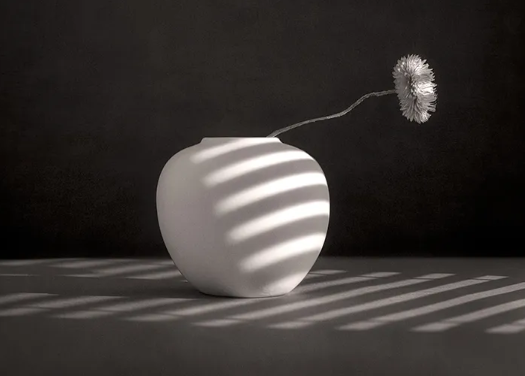
Lighting is the primary expressive tool. Hard light reveals surface imperfections and texture; soft light sculpts volume and smooth transitions. Many professionals rely on strobes, continuous LED systems, diffusion panels, reflectors, flags, and gobos to manipulate shadow density and highlight roll-off.
Composition demands structural awareness. Rule of thirds, golden ratio, leading lines, and geometric symmetry are not formulaic devices but compositional frameworks. Negative space becomes an active design element rather than emptiness.
Optics and equipment also matter. Macro lenses, tilt-shift lenses, medium-format sensors, and focus stacking techniques are commonly used to achieve critical sharpness and controlled depth of field. Focus stacking, in particular, allows photographers to combine multiple exposures for extended sharpness across the frame.
Categories Within Still Life Photography
Commercial Product Photography
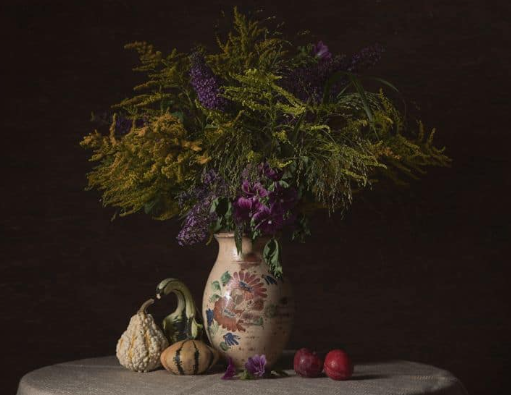
Commercial still life focuses on product representation for advertising and e-commerce. Precision, brand consistency, and surface perfection are paramount. Reflections must be controlled, dust eliminated, and color accuracy maintained. High-end campaigns often involve collaborative teams including art directors, stylists, and digital retouchers.
Fine Art Still Life
Fine art still life prioritizes conceptual meaning over commercial clarity. Symbolism, emotional tone, and narrative subtext dominate. Photographers may deliberately introduce decay, imperfection, or abstraction to provoke interpretation.
Editorial and Food Photography
Editorial still life appears in magazines and online publications. It often merges product storytelling with lifestyle context. Food photography, a specialized branch, requires additional expertise in styling, freshness simulation, and color management.
The Creative Process Behind the Frame
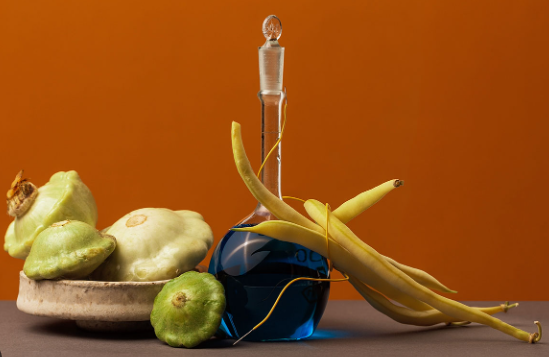
A still life image begins long before the shutter release. The workflow typically includes:
-
Concept development – defining mood, narrative intent, and visual hierarchy.
-
Set design and styling – sourcing props, backgrounds, and textures.
-
Lighting tests – evaluating highlight transitions and shadow depth.
-
Shooting phase – incremental micro-adjustments to object placement.
-
Post-production – retouching, color grading, and compositing.
Because the subject is static, small changes carry significant impact. A millimeter shift in placement can alter balance; a slight tilt can redirect visual flow. The process is iterative and analytical.
Symbolism and Visual Narrative
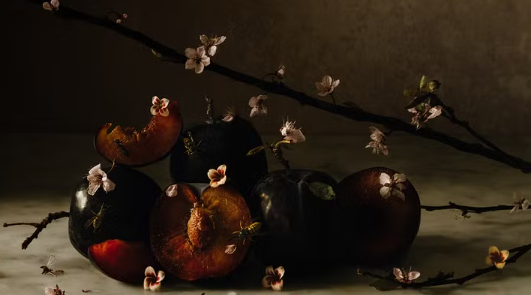
Still life photographers often embed symbolic meaning within object relationships. A wilting flower can signify transience; a cracked ceramic surface may suggest fragility; metallic surfaces can imply modernity or luxury. The genre lends itself to metaphor because the objects themselves do not compete with human expression.
This symbolic flexibility explains why still life remains relevant in contemporary visual culture. It bridges art history, advertising, and conceptual experimentation.
The Role of Post-Production
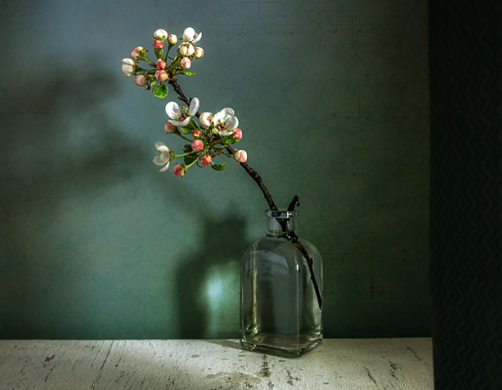
Digital post-production has expanded the possibilities of still life photography. Advanced retouching techniques allow seamless compositing, removal of micro-imperfections, and dynamic range blending. However, technical refinement should not overshadow conceptual clarity.
Professional workflows often involve tethered shooting, calibrated monitors, and non-destructive editing pipelines. Color management systems ensure consistency across print and digital platforms.
Why Still Life Photography Matters Today
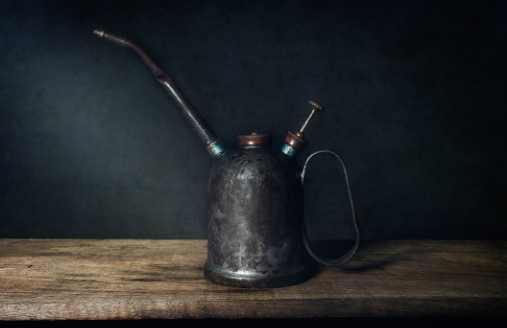
In a media landscape saturated with motion and immediacy, still life photography offers controlled contemplation. It slows perception and invites scrutiny. Brands rely on it for visual identity; galleries value it for its formal rigor; publications depend on it for aesthetic cohesion.
Still life photographers operate at the intersection of artistry and engineering. Their discipline demands patience, precision, and a refined visual vocabulary. Whether crafting a luxury campaign or composing a symbolic tableau, they transform ordinary objects into deliberate visual statements.
For photography enthusiasts and professionals alike, studying still life photography enhances understanding of light physics, compositional theory, and narrative construction. It is not merely a genre—it is a foundational laboratory for photographic mastery.