
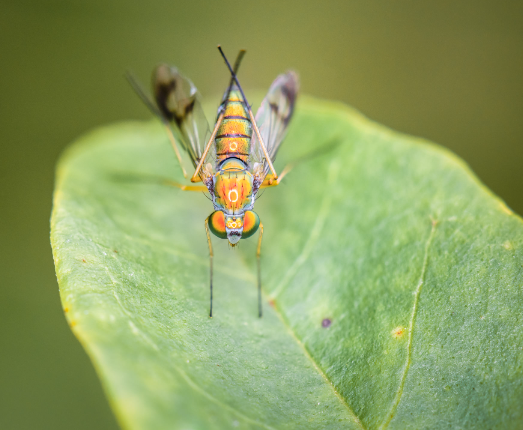
Insect macro photography is a fascinating discipline that allows you to capture the intricate details of the insect world. Proper lighting techniques are crucial to achieve stunning images and highlight the beauty of these tiny creatures. This guide will walk you through some of the best lighting techniques for insect macro photography.
1. Natural Light: Embrace the Sun
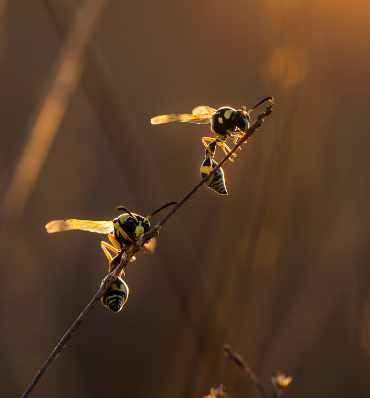
Using natural light is one of the simplest and most effective lighting techniques for macro photography. Early morning and late afternoon are ideal times when the sunlight is soft and golden. Direct sunlight can create harsh shadows, but if you position yourself wisely and choose your angles, you can take advantage of this light to illuminate your subjects beautifully. The challenge lies in controlling the exposure so your pictures do not wash out details.
In addition to timing, consider the weather conditions. Overcast days are often perfect for macro photography as the clouds diffuse the sunlight, providing even lighting without strong contrasts. Insects are also more active during warmer periods, making it easier to capture them. A good practice is to experiment with various locations to see how natural light interacts with your subjects.
-
- Shoot during golden hours for softer lighting.
-
- Look for shaded areas to avoid harsh shadows.
-
- Use reflectors to bounce light onto your subject.
-
- Pay attention to your background to avoid distractions.
-
- Experiment with angles to find the most flattering light.
2. Artificial Light: Exploring Flash Techniques
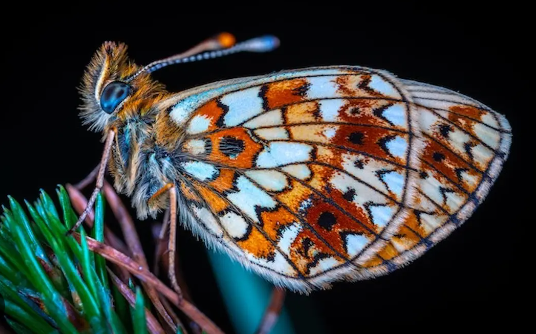
Using artificial light, such as a flash, can dramatically change the way you illuminate insects. A speedlight or off-camera flash is commonly used to reduce the shadows and highlight textures. You can also use diffusers to soften the light and prevent harsh spots on your subjects. When using flash, make sure to experiment with the intensity—overexposure can easily wash out fine details.
Another useful technique is high-speed sync, which allows you to shoot at faster shutter speeds, allowing for better clarity and focus on fast-moving subjects. You might also consider using multiple flashes to create more depth and dimension in your images. Properly positioning your flash can help in creating a three-dimensional effect that makes your pictures pop.
-
- Use a diffuser to soften flash intensity.
-
- Practice high-speed sync for quick insects.
-
- Try different angles for light placement.
-
- Adjust flash intensity to avoid overexposure.
-
- Experiment with multiple flashes for complex lighting.
3. Continuous Lighting: Uncovering Detail
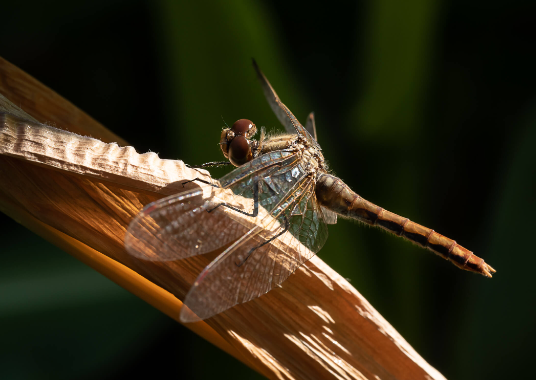
Continuous lighting can be a game changer in insect macro photography, particularly for beginners. Continuous lights remain on, giving you a constant preview of how your scene will look without the surprises that flashes can introduce. This technique is excellent for fine-tuning your composition and focusing on minute details. LED lights are particularly popular as they are energy-efficient and generate less heat.
When using continuous lighting, consider using softboxes or reflectors to diffuse the light and create a softer effect. This lighting technique works well indoors or when shooting insects that are less active. For outdoor shoots, consider using them in conjunction with natural light to add more detail and dimension to your images.
-
- Use LED lights for consistent and cool lighting.
-
- Incorporate softboxes to soften your light source.
-
- Experiment with reflectors to fill in shadows.
-
- Combine with natural light for more dynamic shots.
-
- Take your time to compose when using continuous lights.
In conclusion, mastering lighting techniques in insect macro photography can elevate your images and reveal stunning details that often go unnoticed. Whether you prefer natural, artificial, or continuous lighting, each method offers unique advantages. Start experimenting today, and you’ll soon notice a significant improvement in your macro photography skills.