
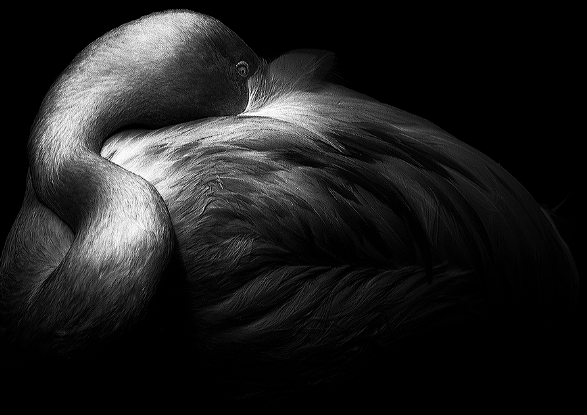
Black and white fine art photography has a timeless appeal that transcends trends and technological advancements. Its focus on tonal contrast, texture, and composition invites viewers to explore emotions and narratives in a unique way. In this article, we’ll delve into the essence of black and white photography, its historical significance, and tips for capturing stunning monochrome images.
Understanding the Appeal of Black and White Photography
One of the most compelling aspects of black and white photography is its ability to strip away distractions and focus the viewer’s attention on essential elements. Without the influence of color, photographers can emphasize light, shadow, and form, creating striking compositions that evoke deep emotional responses. This genre often encourages viewers to engage with the subject matter on a more profound level, allowing them to interpret the image subjectively. Whether it’s a portrait, landscape, or abstract work, black and white photography invites a different kind of storytelling.
Historical Context and Influence
Black and white photography has a rich history dating back to the early days of photography itself. Pioneers like Ansel Adams and Henri Cartier-Bresson revolutionized the medium, showcasing the power of monochrome images in conveying mood and atmosphere. This historical perspective highlights how black and white photography has evolved while remaining a powerful tool for artistic expression. Contemporary photographers continue to draw inspiration from these masters, experimenting with techniques and themes that resonate with today’s audiences. Understanding this heritage can provide a deeper appreciation for the work of modern artists in this field.
Tips for Capturing Stunning Black and White Images
If you’re looking to experiment with black and white photography, there are several practical tips to enhance your work. Start by paying attention to contrasts; strong differences in light and shadow can create dramatic effects in your images. Think about the texture and patterns in your subject; these elements become even more pronounced in monochrome, adding depth to your compositions. Additionally, consider how you frame your shots—negative space can evoke feelings of isolation or freedom, depending on your intent. Lastly, don’t overlook post-processing; editing in black and white can allow you to fine-tune contrast and tone, further enhancing the impact of your images.
In conclusion, black and white fine art photography remains a relevant and captivating form of artistic expression. Its ability to focus on the core elements of photography while evoking deep emotions continues to inspire both photographers and audiences alike. Whether you’re new to the medium or an experienced artist, consider exploring its rich history and endless possibilities. Dive into your black and white photography journey today, and capture the world in a new light!