Gordon Parks: A Pioneer of Photography and Social Change
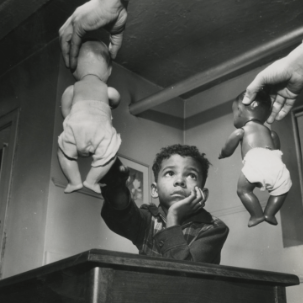
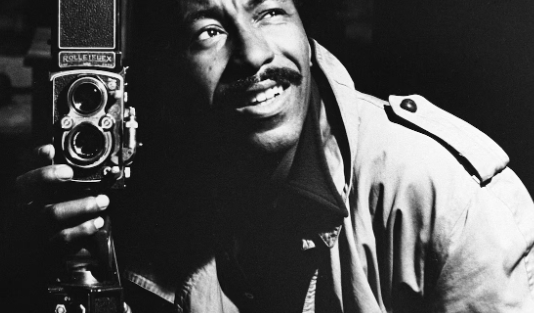
Gordon Parks was not just a photographer; he was a storyteller who used his lens to capture the depth of human experience in America. His work remains highly relevant today as it sheds light on issues of race, poverty, and social justice. Exploring his photography can broaden our understanding of history and inspire us to reflect on the ongoing challenges within society.
The Eye of a Social Advocate
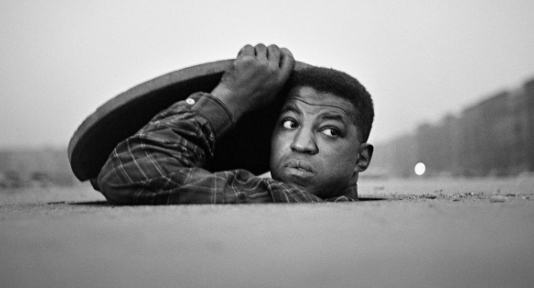
Parks’ photography was deeply intertwined with his commitment to social justice. He was the first African American photographer for Life magazine, where he documented the struggles of marginalized communities. His iconic images, such as the series on the life of a single mother and her children in Harlem, powerfully illustrate the complexities of poverty and resilience. Through his work, Parks challenged the stereotypes of Black life and showcased the dignity and humanity of his subjects.
The Art of Storytelling Through Images

Gordon Parks had an extraordinary ability to tell stories through his photographs. Each image he captured was not only aesthetically pleasing but also conveyed deep emotional narratives. For example, his famous photograph “American Gothic” features a Black man holding a broom in front of a shabby house, reminiscent of Grant Wood’s iconic painting. This stark image challenges viewers to confront the realities of life for African Americans in a segregated society. Parks’ work invites us to engage critically with our history, fostering greater empathy and understanding.
Legacy and Influence on Future Generations

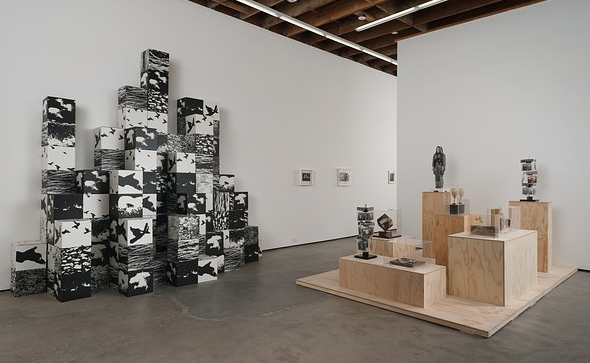
Parks’ impact extends far beyond his lifetime. He paved the way for future generations of photographers and artists to address social and political issues through their work. His dedication to representing the truth continues to inspire contemporary photographers who seek to tell untold stories. In recent years, exhibitions honoring Parks’ contributions have gained visibility, ensuring that new audiences discover and engage with his legacy. His ability to interweave art and activism exemplifies how photography can be a powerful tool for change.
In conclusion, Gordon Parks’ photography offers a vital lens through which we can view and understand our history, society, and the persistent issues we face today. By exploring his work, we not only appreciate the art of photography but also become more informed and empathetic individuals. To delve deeper into the world of Gordon Parks, consider visiting photography exhibitions, reading his biographies, or exploring collections of his work online. Every image tells a story worth discovering.