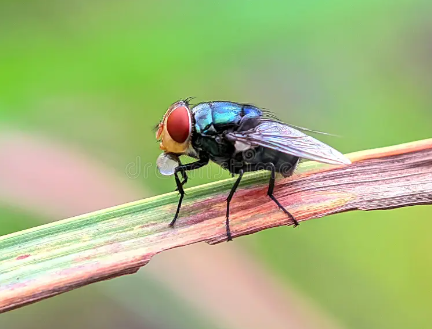
Macro photography is a fascinating realm that allows us to explore the intricate details of the natural world, especially the often-overlooked creatures like flies. Their eyes, filled with textures and patterns, tell a story of evolution and adaptation. This blog post delves into the specifics of capturing stunning macro photos of flies and their unique eye structures.
1. Understanding Fly Eye Structure
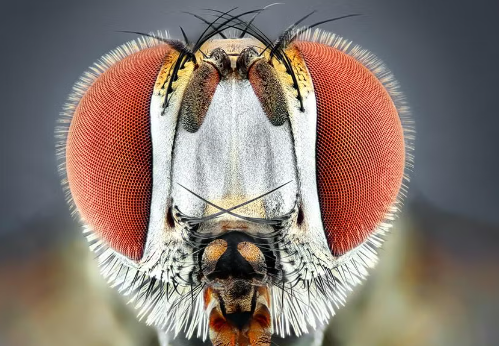
The eyes of flies are among the most remarkable anatomical features in the insect world. Generally composed of thousands of tiny lenses called ommatidia, these compound eyes allow flies to see a wide range of movement. Each ommatidium is a mini-eye that contributes to a mosaic image, making flying insects adept at spotting potential threats in their environment.
When photographing a fly, it’s essential to appreciate the complexity of its eyes and the textures that create their fascinating appearance. Those textures can often reveal a lot about the fly’s species and habitat. The iridescent surfaces can display a stunning array of colors that shift depending on the angle of light, presenting an exciting challenge for the macro photographer.
-
- Research the specific fly species you wish to capture.
-
- Focus on areas with natural light to enhance the color reflections.
-
- Get familiar with the anatomy of fly eyes for better framing.
-
- Plan your macro shoots during times when flies are more active.
2. Equipment for Macro Photography of Flies
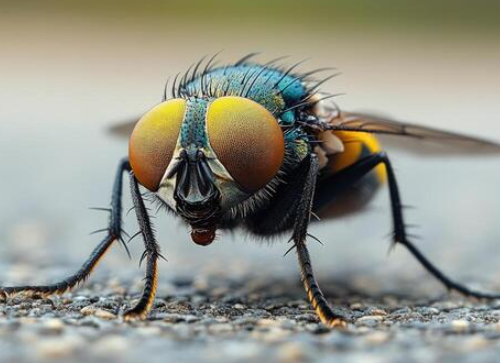
To effectively capture the intricate details of fly eyes, you need the right equipment. A dedicated macro lens is a must for close-up shots; such lenses allow for higher magnification levels and achieve sharp focus on tiny subjects. Additionally, using a tripod can help stabilize your camera, reducing the chances of blur caused by shaky hands.
Lighting is another critical component in macro photography. Natural light and flash diffusers can help you illuminate the fly’s features without causing harsh reflections. A ring light or LED panel can provide even, soft lighting that highlights the textures of the fly’s eye while minimizing shadows.
-
- Invest in a quality macro lens (e.g., 90mm or 105mm).
-
- Use a tripod for stabilization during close-up shots.
-
- Experiment with different light sources for varied effects.
-
- Consider using extension tubes to increase magnification.
3. Techniques to Capture Stunning Fly Eye Textures
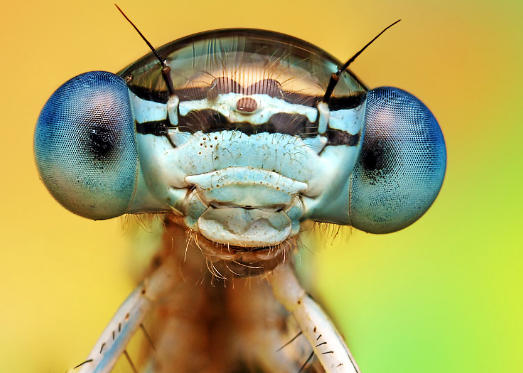
When you’re ready to take your macro photographs of flies, consider your approach to framing and composition. A focus on symmetry can elevate your shots, as the eyes usually have a defined geometric shape. Using a low angle can create a more engaging perspective, allowing you to capture the fly’s eye in greater detail against a contrasting background.
In terms of settings, using a smaller aperture can help increase the depth of field, keeping more of the image in focus. Coupled with a fast shutter speed to freeze any movement, you will be equipped to capture those fleeting moments effectively. Remember that flies are often quick and may take flight suddenly, so remain patient and ready.
-
- Use a low angle for a more dynamic perspective.
-
- Set a smaller aperture (e.g., f/11 or f/16) to enhance depth of field.
-
- Adjust your shutter speed to freeze motion (<1/1000s).
-
- Practice patience; flies might take time to settle.
4. Post-Processing Your Macro Fly Shots
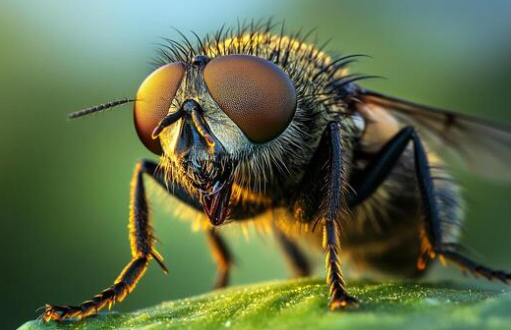
Once you’ve captured stunning macro shots of fly eyes, post-processing can bring out the best in your images. Basic adjustments include contrasting, brightness, and sharpening. Editing software like Adobe Lightroom or Photoshop can be particularly helpful in enhancing textures and colors without losing the details that make your images special.
Additionally, consider cropping your images to eliminate distracting elements from the background. This will allow viewers to focus solely on the complexity of the fly’s eye. Experiment with different color corrections to see which enhances the natural beauty of the fly while preserving realism.
-
- Adjust brightness and contrast for a more vivid display.
-
- Sharpens details to highlight textures and colors.
-
- Crop the image for better framing and focus.
-
- Experiment with color correction to enhance natural beauty.
In conclusion, macro photography of flies and their detailed eye textures opens a window into a world filled with astonishing complexity. By understanding the anatomy, equipping yourself with the right tools, employing effective techniques, and perfecting your post-processing skills, you can create captivating images that showcase the beauty of these tiny creatures. So grab your camera, get outdoors, and start capturing the intricate details that might otherwise go unnoticed!