Photographing insects in cold environments, especially when dew is present, can yield stunning results. The delicate balance of temperature and moisture creates an enchanting atmosphere that enhances the natural beauty of these tiny creatures.
1. Understanding Insect Behavior in Cold Weather
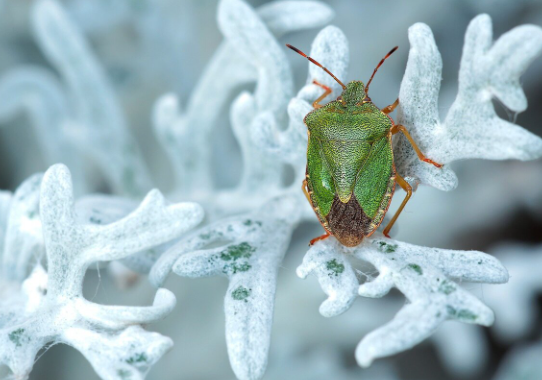
Insects react differently to cold temperatures than mammals. Cold-blooded creatures, such as most insects, have various survival strategies when it comes to cold environments. During cold mornings, you may find many insects, especially those that are more fragile, appearing sluggish or inactive, making them easier targets for your lens.
Take the time to observe and understand their patterns. Many insects will warm themselves up by basking in the sunlight, so timing your photography sessions for the early morning, when dew is still present, could yield particularly good opportunities. Knowing when and where to find them can make a big difference in your photographic outcome.
-
- Visit your local area in early morning hours.
-
- Observe sunny spots where insects might gather.
-
- Be aware of specific local insect species and their winter behavior.
-
- Utilize field guides to identify insects you want to photograph.
2. Setting Up for the Perfect Shot
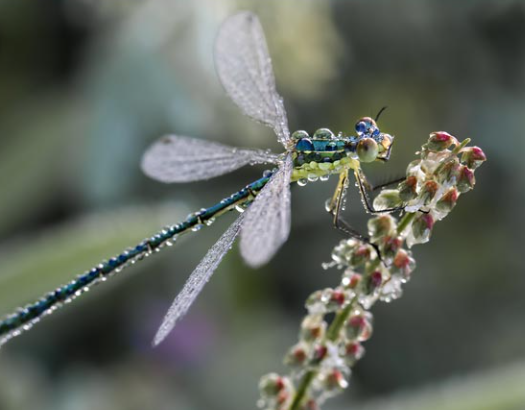
Proper equipment and setup are vital for successful insect photography, especially under cold, dewy conditions. Use a macro lens, as this will allow you to capture the fine details of insects even from a distance. A tripod or a stabilizer can help to eliminate camera shake, a common issue when photographing small subjects in the cold.
Furthermore, consider using a warm pack or hand warmers to keep your hands from getting too cold, which can hinder your ability to operate your camera effectively. Position yourself close to the dew-laden vegetation where the insects are resting, and be patient—waiting for the perfect moment can result in breathtaking images.
-
- Use a macro lens for capturing detailed shots.
-
- Bring along a tripod for stability.
-
- Keep warm packs handy to maintain dexterity.
-
- Practice patience; great shots often take time.
3. Utilizing Dew for Enhancing Photographs
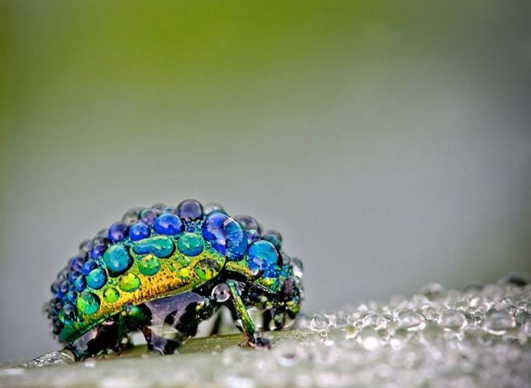
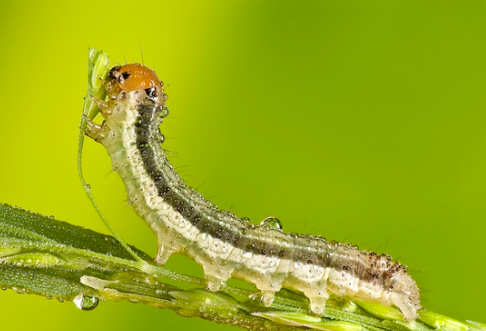
Dew can act as an enchanting embellishment, making your insect photographs more stunning. Early morning dew adds a soft focus effect and a shimmering quality as it catches the light. This can transform an ordinary image into a magical one, highlighting the textures of the insect’s body and the foliage around it.
Experiment with different angles and compositions. Capturing the dew on the insect’s body or the leaves around it requires some trial and error. Pay attention to the light—the warmth of the morning sun can create beautiful bokeh effects when it shines through dewdrops.
-
- Experiment with different angles to capture dew effects.
-
- Backlight your subject in the morning sun for magical effects.
-
- Use a higher aperture for depth-of-field effects.
-
- Frame your shot with surrounding foliage to enhance depth.
4. Post-Processing Techniques for Cold Environment Photography
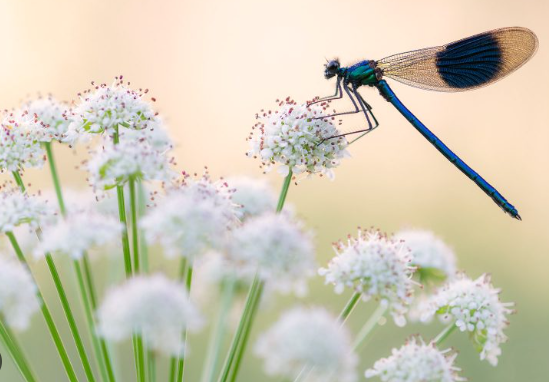
Post-processing is the key to bringing out the best in your insect photography. Utilize software like Lightroom or Photoshop to enhance colors, sharpen details, and adjust exposure. Be careful not to overdo it; the goal should be to maintain a natural look that respects the insect’s environment.
Consider enhancing the contrast to make the details pop, especially those dewdrops that adorn your subject. Fine-tuning the temperature can also make the image feel warmer, creating a beautiful contrast against the coolness of a cold morning setting.
-
- Use Lightroom for basic edits, like exposure and contrast.
-
- Sharpen details on your subject without affecting the background.
-
- Adjust colors for a natural yet vibrant feel.
-
- Preserve the ethereal quality of dew in your final edits.
In conclusion, photographing insects in cold environments with dew can be a rewarding experience, providing beautiful imagery that captures nature’s intricacies. Equip yourself with the right tools and knowledge, and don’t hesitate to experiment; each session will enhance your skills and eye for detail. Start your exploration today and elevate your nature photography!