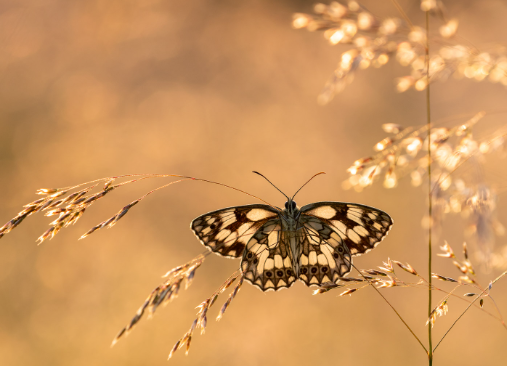
Macro photography of insects offers breathtaking views into the fascinating world of these tiny creatures. By capturing their details with natural shadows, photographers can highlight textures and forms that are often overlooked. This blog post aims to provide insights into the art and technique of photographing insects while utilizing natural light for shadow effects.
1. Understanding Macro Photography Basics
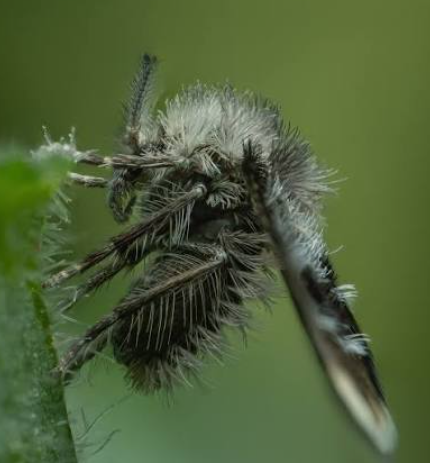
Macro photography, which focuses on capturing small subjects at close range, requires specific equipment and techniques. Using a macro lens allows you to achieve high levels of detail, showcasing the textures and patterns of insect bodies. Additionally, extension tubes can be used to allow standard lenses to focus closer, further enhancing the photographic experience.
Lighting plays a critical role in macro photography. While artificial light sources can provide consistent illumination, natural light often produces shadows that add depth and dimension to the images. Understanding the time of day and the position of the sun can help you capture the ideal lighting conditions for your macro shots.
-
- Invest in a good macro lens or extension tubes.
-
- Learn to manipulate lighting: Early morning or late afternoon often yields the best natural light.
-
- Experiment with angles to find the best composition.
-
- Practice focusing techniques, including focus stacking for increased depth of field.
2. Utilizing Natural Shadows for Detail
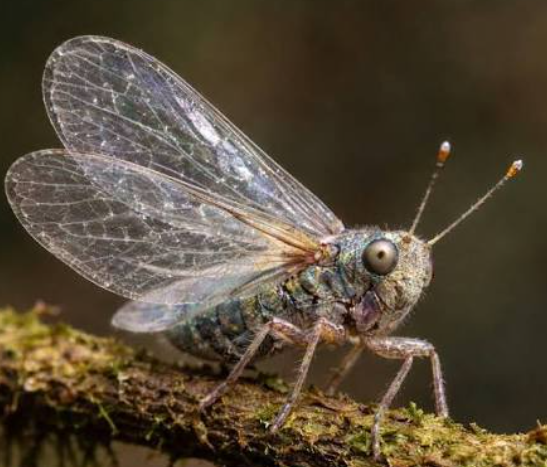
Natural shadows can dramatically enhance macro images of insects by providing contrast that emphasizes shape and texture. For instance, the intricate patterns on a butterfly’s wings or the fine hairs on a bee are more visually striking when illuminated by sunlight and complemented by well-placed shadows. By carefully considering the angle of light, photographers can shape their compositions to reflect stunning details.
Another technique is to utilize the environment to your advantage. Be aware of your surroundings, as plants and other insects can create unique patterns of light and shadow. For example, shooting insects against a leafy backdrop can create dappled light effects, further enriching the composition.
-
- Look for shadows to help define and outline the subject.
-
- Be mindful of the time of day for optimal light and shadow interplay.
-
- Incorporate background elements that enhance shadow play.
-
- Experiment with different light angles to discover what works best.
3. Techniques for Capturing Stunning Insect Images
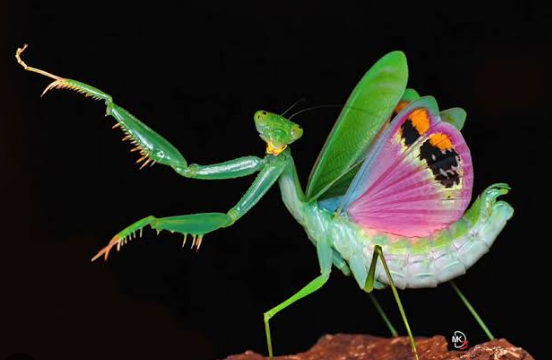
Capturing breathtaking images of insects requires a blend of technical skills and artistic vision. Start by ensuring that your camera settings are optimized for macro photography—higher aperture settings can give you greater depth of field, while faster shutter speeds can prevent motion blur when photographing a moving subject. Utilize a tripod to stabilize your shots and reduce camera shake, especially in low-light conditions.
Another essential technique is patience. Insects are often unpredictable, so waiting for the right moment can yield exceptional photographs. Spend time observing your subject to assess their behavior, which will allow you to anticipate movements and capture candid moments, enhancing your portfolio significantly.
-
- Optimize camera settings: Use a small aperture for improved depth of field.
-
- Always use a tripod or stabilizer to reduce shake.
-
- Be patient; wait for the right moment to capture action shots.
-
- Observe the insect’s behavior to predict movements.
4. Post-Processing Enhancements
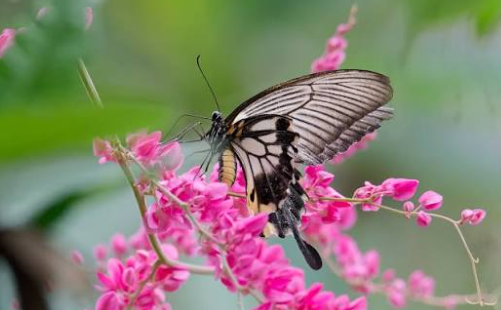
Post-processing plays an integral role in macro photography, allowing photographers to fine-tune their images. Software like Adobe Lightroom or Photoshop can enhance colors, contrast, and sharpness, making the details of the insects pop. While it’s important to maintain the integrity of the image, slight adjustments can elevate the overall aesthetic and highlight the natural shadows that contribute to the image’s depth.
Another aspect of post-processing is noise reduction, especially if you shot at a higher ISO due to low light conditions. Careful retouching can eliminate unwanted distractions while maintaining the integrity of the insect’s details and the textures cast by shadows. Aim for a balance between enhancing colors and preserving natural hues.
-
- Use post-processing software for color and contrast enhancements.
-
- Apply noise reduction techniques if necessary.
-
- Focus on sharpening key details of the insect.
-
- Maintain a natural look; avoid over-editing.
In conclusion, macro photography of insects using natural shadows presents unique opportunities to explore and showcase the intricacies of these fascinating creatures. By understanding the essentials of macro photography, using natural light effectively, and continually refining your technique through practice and post-processing, you can develop stunning images that capture the beauty of the microscopic world. Start experimenting today and let your creativity flourish!