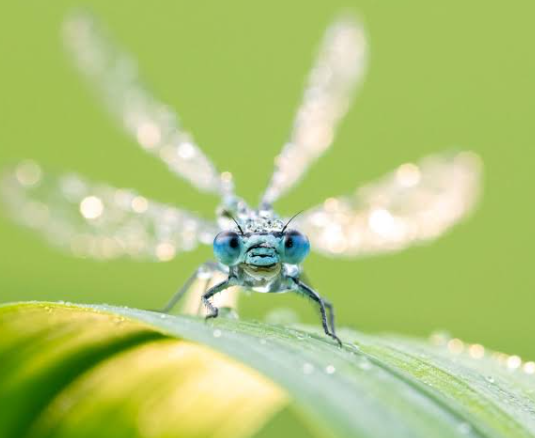
Macro photography of insects with blurred backgrounds creates striking images that capture the intricate details of these small creatures while isolating them from their surroundings. This technique not only highlights the subject but also adds an artistic element to your photos. Whether you are a beginner or an experienced photographer, understanding how to achieve this effect can significantly enhance your work.
1. Understanding Depth of Field
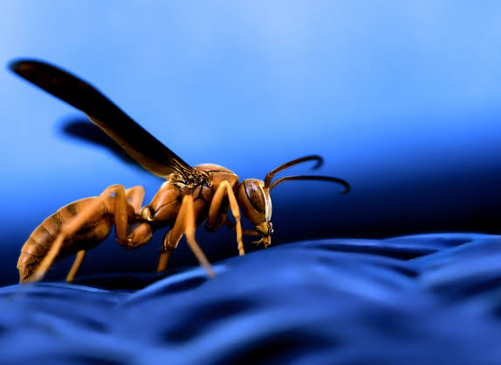
Depth of field (DoF) is essential in macro photography, especially when it comes to achieving those beautiful blurred backgrounds. A shallow depth of field allows you to focus sharply on the insect while creating a smooth blur in the background. This is typically achieved by using a wide aperture setting, such as f/2.8 or f/4, which allows more light to enter the lens and results in a narrow plane of focus.
One effective way to manipulate depth of field is to adjust your distance to the subject. The closer you are to the insect, the shallower the depth of field. Additionally, using a longer focal length lens can also help create a beautiful background blur. It’s important to experiment with different settings and distances to see how they affect the overall composition of your photo.
-
- Use a wide aperture (f/2.8 – f/4) to achieve a narrow depth of field.
-
- Get as close to the subject as possible without losing focus.
-
- Try different focal lengths for varied background effects.
-
- Experiment with positioning relative to the light source.
-
- Practice focusing on different parts of the insect for variety.
2. Choosing the Right Background
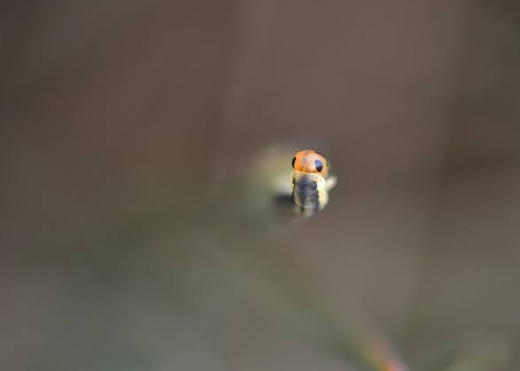
The background can make or break your macro insect photographs. An ideal background is one that complements the subject without drawing attention away from it. Soft, neutral colors work best, as they enhance the sharp details of the insect while keeping distractions minimal. Natural settings like foliage or flowers can provide texture and color without overwhelming your main subject.
You can also control the background using props, such as colored paper or fabric. When shooting indoors, consider options that allow for a consistent and pleasant blur. If outdoors, time of day is crucial; shooting during golden hour can create beautiful, diffused backgrounds that enrich your photographs, adding warmth and softness.
-
- Select backgrounds that are simple and non-distracting.
-
- Utilize natural elements like flowers or leaves strategically.
-
- Experiment with colored backdrops that contrast or complement the subject.
-
- Monitor lighting conditions throughout the day for best results.
-
- Remove unwanted objects from the immediate background.
3. Mastering Lighting Techniques
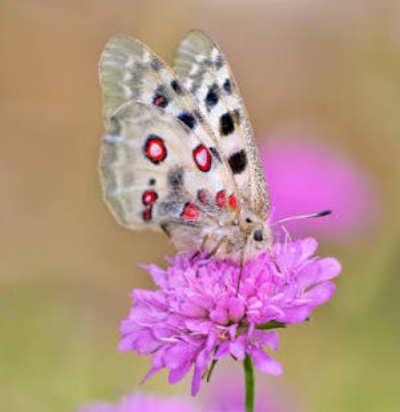
Lighting is a crucial aspect of macro photography, significantly influencing the mood and clarity of your insects. Natural light is often the best choice, as it produces soft shadows and highlights the details of your subject without causing harsh reflections. Early morning and late afternoon are optimal times for shooting, as the light is more diffused and minimizes the risk of overly bright spots.
In situations where natural light is insufficient, consider using a macro ring light or a diffuser. These tools help illuminate the insect evenly and can bring out textures that might otherwise go unnoticed. Additionally, backlighting can create stunning effects by highlighting the translucent parts of wings while also enhancing the background blur.
-
- Use natural light during the golden hour for softer images.
-
- Invest in a macro ring light for consistent illumination.
-
- Employ diffusers to soften harsh shadows.
-
- Experiment with different light angles for creative effects.
-
- Use backlighting to highlight transparency and details.
4. Utilizing Post-Processing
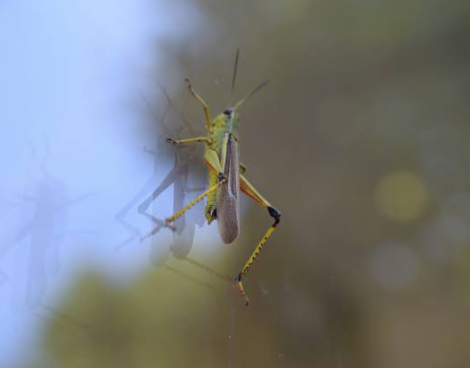
Post-processing is an essential step in elevating your macro insect images. Software like Adobe Lightroom and Photoshop can help fine-tune your photos by enhancing colors, adjusting contrast, and sharpening details. Even subtle adjustments can make a significant difference in the final output. If you opt for background blur effects, ensure they look natural to maintain the integrity of your shot.
Another technique in post-processing is focus stacking, which allows you to combine several images taken at different focus points. This process ensures maximum sharpness throughout the insect while still maintaining the beautiful background blur. However, it requires some effort, including planning and processing multiple images, but the results can be breathtaking.
-
- Use popular editing software for adjustments and enhancements.
-
- Experiment with sharpness and contrast for improved detail.
-
- Try focus stacking for images that need greater depth.
-
- Maintain a natural look with background blur adjustments.
-
- Learn techniques for effective color correction.
Macro photography of insects with blurred backgrounds is a remarkable way to explore the tiny wonders of nature. With a combination of technical skills, creative background choices, and thoughtful post-processing, you can turn ordinary scenes into extraordinary images. So grab your camera, spend time observing nature, and let your creativity shine through your lens!