
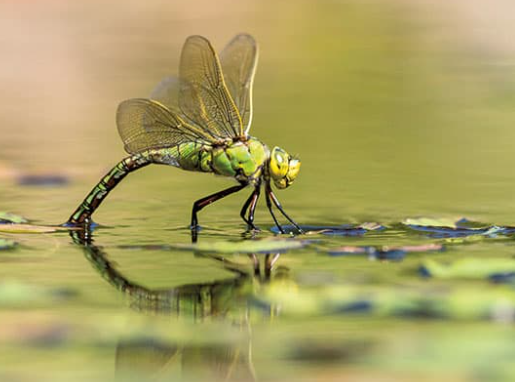
Insect macro photography can be a captivating way to explore the intricate details of the natural world. Capturing these tiny creatures in the early morning light can yield stunning results, particularly because the conditions during this time provide unique opportunities for photographers. Let’s delve into the best techniques and tips for mastering insect macro photography in early morning conditions.
1. Understanding Morning Light
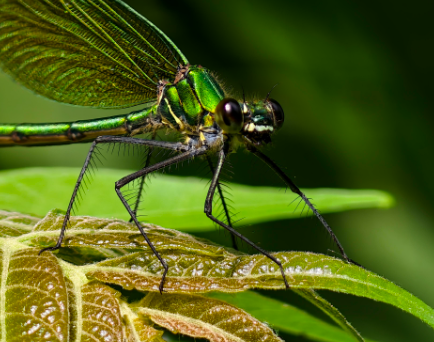
The early morning light, often referred to as “golden hour,” has a magical quality that can enhance macro photography. This time of day features soft, diffused lighting that minimizes harsh contrasts and shadows, making it ideal for capturing the delicate textures and colors of insects. Additionally, the low angle of the sun can produce interesting light patterns, adding depth and dimension to your images.
Another aspect to consider is the humidity present in the morning hours. Water droplets on insects or surrounding foliage can create a sparkling effect, transforming an ordinary shot into something extraordinary. These droplets can serve as natural reflectors of light, adding an ethereal quality to your photographs.
-
- Plan your shoot around the golden hour, typically occurring within the hour after sunrise.
-
- Experiment with backlighting to highlight the structures and colors of insects.
-
- Pay attention to the weather— slight humidity can add beautiful water droplets to your compositions.
-
- Use a polarizing filter to manage reflections and enhance colors in your photos.
2. Equipment and Techniques
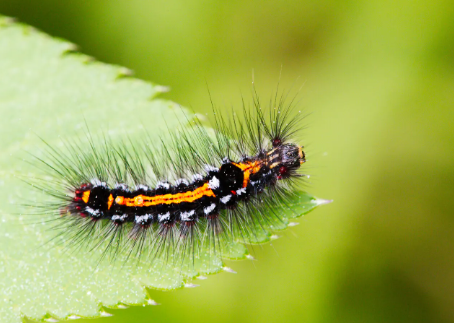
When it comes to insect macro photography, the right equipment can make all the difference. A dedicated macro lens is highly recommended, as it enables you to achieve life-sized images and finer details. Alternatively, extension tubes can be used with standard lenses to increase magnification. A tripod can stabilize your camera, especially in low-light conditions.
Besides specialized lenses, consider using a speedlight or external flash to illuminate your subject. Since the early morning can still be relatively dark, supplemental lighting can reduce noise and sharpen details. Moreover, experimenting with shallow depth-of-field can draw attention to your subject while blurring distracting backgrounds.
-
- Invest in a macro lens or extension tubes for greater detail.
-
- Utilize a tripod to keep your shots stable, especially when using low shutter speeds.
-
- Explore external lighting options like speedlights for better illumination.
-
- Try different apertures to play with depth-of-field effects.
3. Choosing the Right Location and Timing
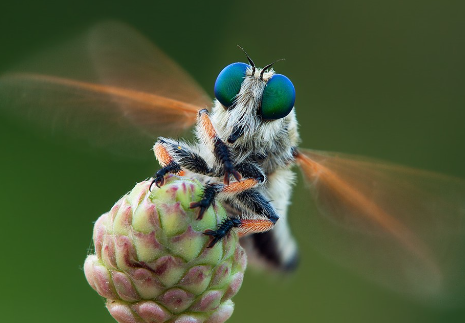
Location plays a vital role in insect macro photography. Morning dew often attracts a variety of insects, making areas like gardens, meadows, and wetlands prime spots to capture your subjects. Focus on areas filled with flowers and plants, as they serve as feeding and breeding grounds for many insects. Be mindful of the time frame; bugs are often more active just after sunrise when they begin foraging.
Look for specific types of insects that are easier to find in the morning, such as butterflies, bees, and dragonflies, which tend to be less active in cooler temperatures. Establishing a habitual routine of visiting specific locations at sunrise will not only familiarize you with the local insect population but also enable you to capture their behaviors throughout the seasons.
-
- Scout potential locations ahead of time for insect activity.
-
- Visit nature reserves, botanical gardens, or your own backyard.
-
- Note the specific plants that attract insects in your area.
-
- Be aware of sunrise times to plan your shoot accordingly.
4. Ethical Photography Practices
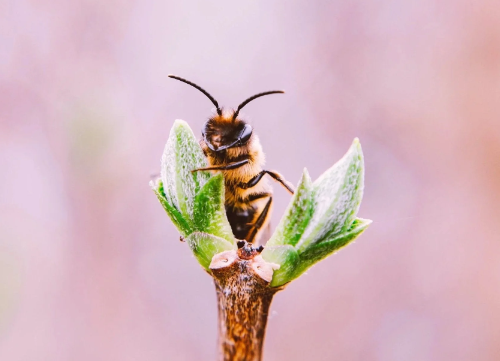
While capturing stunning images, it’s crucial to practice ethical photography. Insects are vital to the ecosystem, and disturbing their natural habitats can have negative repercussions. Be mindful of where you step and how you interact with the natural environment to minimize your impact.
Additionally, employ techniques that prioritize the well-being of your subjects. For instance, avoid using flash too close to sensitive insects, as it can startle or harm them. Taking care not to crush nearby flora or fauna while maneuvering for the best shot supports the ecological context in which you are photographing.
-
- Always observe from a distance to avoid disturbing the insects.
-
- Move slowly and gently to minimize stress on your subjects.
-
- Learn about the specific insects in your area and their ecological roles.
-
- Leave the environment as you found it—do not collect or harm any insects.
In conclusion, early morning conditions offer incredible opportunities for stunning insect macro photography. With the right equipment, techniques, and ethical considerations, you can capture the natural beauty of these fascinating creatures. Now is the perfect time to grab your camera, explore your surroundings, and begin your journey into the captivating world of macro photography.