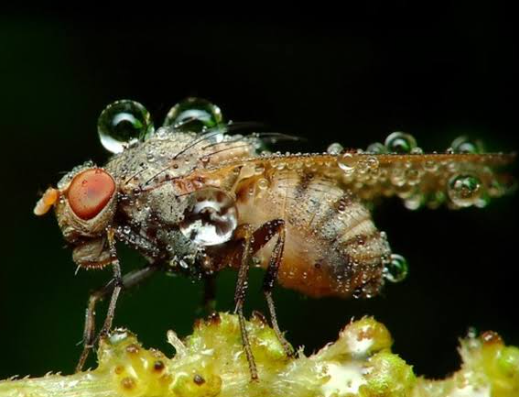
Close-up photography has a magical ability to reveal the intricate details of the natural world, and few subjects are as fascinating as insects adorned with reflective dew drops. These tiny droplets can transform an ordinary insect into a dazzling work of art, showcasing nature’s beauty and complexity. In this blog post, we’ll explore the techniques for capturing these stunning shots, the best times to photograph, and tips for optimal results.
1. Understanding the Beauty of Dew Drops on Insects
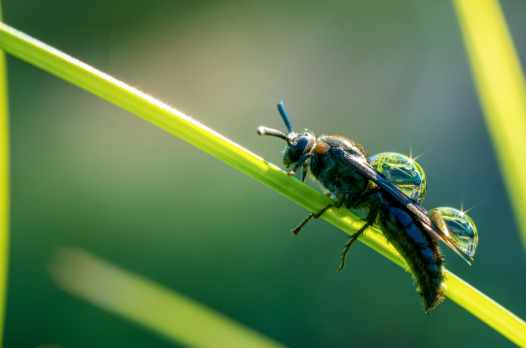
Dew drops are unique natural phenomena created by moisture condensing on surfaces, often noticeable during early mornings. When these droplets settle on insects, they create a stunning effect that highlights the intricate textures and colors of the insect’s body. This interplay of light and nature can capture the viewer’s attention, making your photographs stand out in a crowded field of nature photography.
Insects such as dragonflies, butterflies, and grasshoppers are particularly captivating when captured with dew drops. The refractive properties of the droplets can distort the background, creating an interesting bokeh effect that enhances the photograph’s aesthetics. Understanding how different insects interact with dew can help identify the best opportunities for close-up shots.
-
- Explore different habitats early in the morning when dew is most prevalent.
-
- Research different insects to know which are more visually appealing with dew drops.
-
- Experiment with various angles to see how the light interacts with the droplets.
-
- Consider the background to enhance the overall impact of your photo.
2. Best Techniques for Close-Up Photography
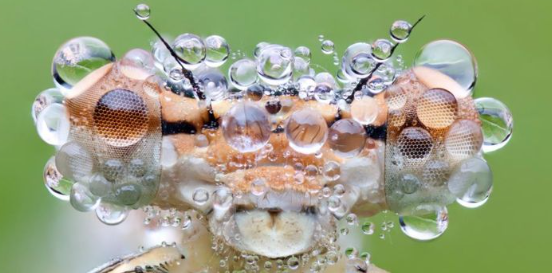
To capture these stunning images, the right techniques are critical. A macro lens is often recommended for close-up photography, as it allows you to focus on the minute details without losing clarity. Pairing your camera with a tripod can provide stability, ensuring that you capture sharp images free of motion blur, which is essential when working with such small subjects.
Lighting is another vital component in capturing breathtaking close-ups of insects adorned with dew drops. Natural light can work wonders, especially during the golden hour just after sunrise. Using reflectors can help manipulate the light to highlight the dew’s sparkle without washing out the delicate details of the insect.
-
- Use a macro lens or a dedicated close-up filter for capturing intricate details.
-
- Consider using a tripod for stability, especially in low-light situations.
-
- Monitor your lighting conditions and adjust settings accordingly for optimal results.
-
- Explore the use of reflectors to enhance the dew drops without overpowering the subject.
3. The Perfect Timing for Capturing Dew Drops
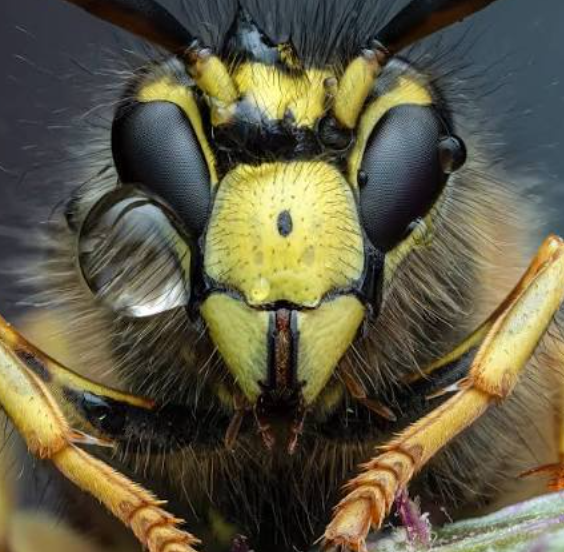
Timing plays a significant role in the success of your dew drop photography. The best time to photograph dew-laden insects is typically early in the morning, shortly after dawn. At this time, dew is still fresh on the surface of the insects, and the soft morning light can accentuate their features, creating a magical atmosphere in your photography.
As the sun rises higher in the sky, the heat will cause the dew to evaporate, often within a few hours. This makes it crucial to plan your outings accordingly and investigate local weather conditions the night before to ensure there is a good chance of dew formation. Monitoring the humidity levels can also provide insight into whether morning dew will likely be present.
-
- Set your alarm early to catch the best light and dew presence.
-
- Check weather forecasts for high humidity levels the night before.
-
- Plan your route to ensure you reach your chosen location promptly.
-
- Keep an eye out for places where mist forms, as they often yield more dew.
4. Post-Processing Techniques
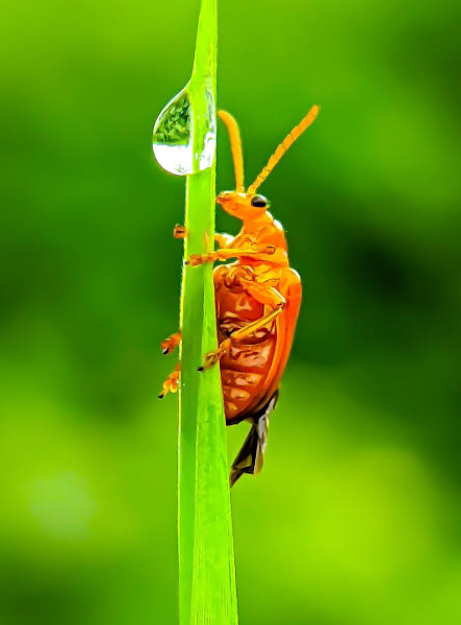
Once you’ve captured stunning images of insects adorned with dew drops, the next step is post-processing. Using photo editing software such as Adobe Lightroom or Photoshop can help enhance the fine details of your shots. You can increase the contrast and brightness to make the dew drops pop and sharpen the image for added clarity.
Be mindful not to overdo the edits, as that can lead to unnatural results. A subtle approach often yields the best results, allowing the natural beauty of your subject to shine through while still enhancing the dew’s reflective properties. Experimenting with filters and enhancements can help find the right balance for your aesthetic.
-
- Use basic adjustments like contrast and brightness to enhance your images.
-
- Apply sharpening techniques selectively to enhance texture without losing natural appeal.
-
- Experiment with color correction to ensure natural hues are preserved.
-
- Consider using layers in Photoshop for more refined edits to specific regions.
Capturing close-up shots of insects adorned with reflective dew drops can be a mesmerizing experience that enhances your photography skills. By understanding the beauty of dew, employing the right techniques, timing your shoots effectively, and refining your images through post-processing, you can create captivating photographs that illustrate the small wonders of the natural world. So grab your camera, head outside, and start exploring the exquisite details that await you!