
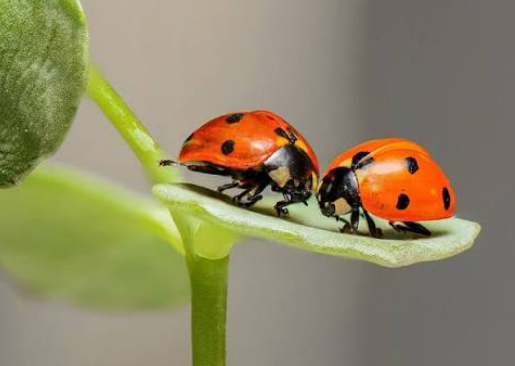
Photographing insects using macro flash techniques can open up a world of intricate details and colors that are often missed by the naked eye. Whether you are a seasoned photographer or a curious beginner, mastering these techniques can enhance your skills and transform your images into stunning works of art. In this guide, we will explore the essential tips and tricks to capture breathtaking insect photographs.
1. Understanding Your Equipment
Before you can successfully photograph insects, it’s crucial to familiarize yourself with the necessary equipment. A macro lens is often the best choice, as it allows you to focus on subjects at close range. A dedicated macro flash or speedlight can illuminate your subject, especially in low light situations or when the ambient light is not sufficient. You may also consider using a tripod to maintain stability and reduce camera shake during close-ups.
Understanding how to manipulate your camera settings is also key. Make sure to use a small aperture (high f-stop number) to achieve a greater depth of field, which helps keep more of the insect in focus. Adjust your ISO settings accordingly to balance exposure and image clarity. Knowing your equipment inside and out is the foundation for capturing those impressive insect details.
-
- Invest in a good quality macro lens.
-
- Consider a dedicated macro flash for better lighting.
-
- Use a tripod for stability when shooting.
-
- Learn to adjust camera settings for optimal results.
-
- Familiarize yourself with your equipment before heading out.
2. Lighting Techniques for Macro Photography
Lighting is one of the most essential elements in macro photography, especially when photographing insects. Proper lighting can reveal colors and details that would otherwise go unnoticed. Using a macro flash can help create sharp images, reduce shadows, and highlight textures. Consider using diffusers to soften the light and avoid harsh glare on your subject, which can distort its natural appearance.
Experimenting with the position of your light source is also important. You can try placing the flash at various angles to see how it affects the image. Side lighting can help accentuate the details of an insect’s wings, while backlighting can create stunning silhouettes. The right lighting technique can bring your subjects to life, making each shot more dynamic and captivating.
-
- Use a macro flash for optimal control over lighting.
-
- Incorporate diffusers to soften the light.
-
- Experiment with angles to see how they affect your image.
-
- Utilize natural light when possible to enhance colors.
-
- Consider shooting in shaded areas to minimize high contrast.
3. Composition and Background Considerations
Thoughtful composition can dramatically impact your macro photographs. Pay attention to the background, as it can either complement or distract from your subject. A cluttered background can take away from the beauty of an insect, while a simple, blurred backdrop can help highlight its features. Positioning yourself at different angles can also create more interesting compositions, so don’t hesitate to crouch or lie down to find the best perspective.
Another composition tip is following the rule of thirds, which helps create balance in your photographs. Align your subject along the grid lines to make the image more engaging. Adding elements such as flowers or leaves can provide context and enhance the narrative of the image. Experiment with framing to guide the viewer’s eye toward your insect, ensuring that it remains the focal point of the shot.
-
- Avoid cluttered backgrounds to enhance your subject.
-
- Use the rule of thirds for visual balance.
-
- Experiment with different angles to find the best perspective.
-
- Add context by incorporating surrounding elements.
-
- Frame your subject to keep it as the main focus.
4. Patience and Observation Techniques
Photographing insects effectively requires a good dose of patience and observation. Insects are often unpredictable and can move quickly, so taking the time to watch them can lead to great shots. Observe their behavior patterns and try to anticipate their movements. For instance, if you’re photographing bees, note the flowers they visit and wait for the right moment to capture them in action.
Being quiet and still is also crucial; disturbances can cause insects to fly away or stop their activity. Use your surroundings to blend in and become less of a threat to them. Consider using a blind or dark clothing to minimize your visibility. Remember, great photography often comes from waiting for the perfect opportunity, so patience is a key virtue in macro photography.
-
- Observe insect behavior to anticipate movements.
-
- Stay still and quiet to avoid scaring them away.
-
- Use clothing to blend into your surroundings.
-
- Patience can lead to incredible photographic opportunities.
-
- Keep a journal of your observations to improve your skills.
Mastering macro flash photography for insects takes practice and dedication, but the results can be rewarding. By understanding your equipment, utilizing effective lighting techniques, crafting thoughtful compositions, and being patient in your approach, you can achieve stunning photos that highlight the beauty of these fascinating creatures. So grab your camera, head outside, and start capturing the wonders of the insect world!