Macro photography is a captivating field that allows us to explore the intricate world of insects. When paired with backlight conditions, this technique reveals stunning details that often go unnoticed, enhancing both texture and color in the images. In this post, we’ll delve into the techniques needed to master macro photography of insects in backlight, providing practical steps for achieving breathtaking results.
1. Understanding the Basics of Backlighting
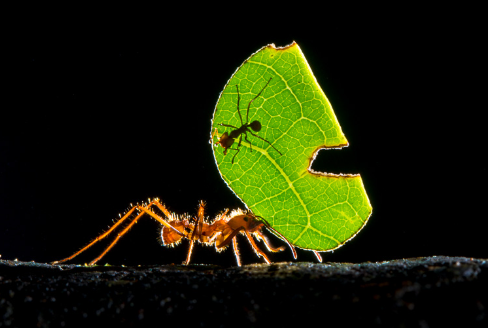
Backlighting is when the light source is behind the subject, creating a halo effect that can dramatically enhance the features of insects. This technique is particularly effective in macro photography as it emphasizes transparent or semi-transparent elements, such as wings and exoskeletons. By leveraging natural sunlight or artificial sources, photographers can achieve glowing highlights and deeper shadows that add dimension to their images.
Insects are often active during specific times of the day, particularly during early morning or late afternoon when the sun is lower in the sky. At these times, the light is softer and more diffused, perfect for capturing the subtleties in texture and color. Understanding how to adjust your camera settings to accommodate these lighting conditions is crucial for successful backlighting.
-
- Choose early morning or late afternoon for softer light.
-
- Experiment with various light sources, including flash and reflectors.
-
- Utilize a tripod to stabilize your camera.
-
- Familiarize yourself with your camera’s backlighting settings.
2. Camera Settings for Macro Photography
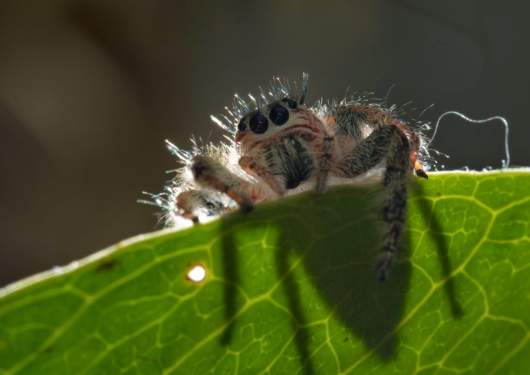
The right camera settings can make or break your macro photography experience. Start by using a low ISO setting to avoid graininess, while adjusting the aperture to control depth of field. A wider aperture (like f/2.8) will create a softer background, focusing attention on the insect while allowing more light to enter, which is beneficial for backlit conditions. Don’t forget to play with your shutter speed to freeze the action without introducing blurriness.
Additionally, the use of manual focus is highly recommended for macro photography. Autofocus can often struggle with tiny subjects like insects, particularly in complex backlighting situations. By manually focusing, you can hone in on the precise detail you wish to capture, ensuring your images are sharp and well-defined.
-
- Set your ISO to 100-400 for minimal noise.
-
- Use a wide aperture to isolate the subject.
-
- Adjust shutter speed based on light conditions to avoid motion blur.
-
- Switch to manual focus for better control over details.
3. Composition Techniques for Stunning Images
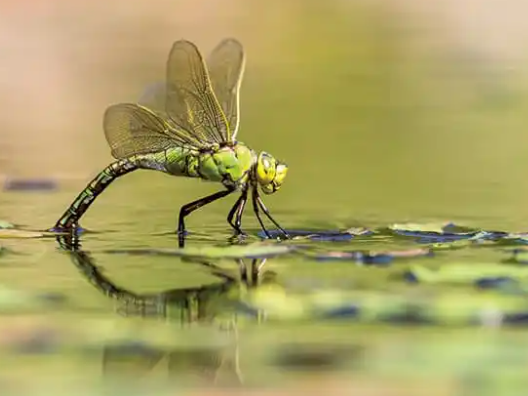
Good composition can elevate your macro photography from average to extraordinary. One effective approach is to use the rule of thirds, where you position the insect off-center to create a more dynamic visual narrative. Additionally, incorporating leading lines—such as twigs or blades of grass—can draw the viewer’s eye toward the subject.
Consider also the background elements when photographing insects in backlight. Sometimes, an out-of-focus background can create a bokeh effect that enhances the subject’s visibility. Pay close attention to what’s behind your subject; a cluttered background may distract from the exquisite details of the insect you’re capturing.
-
- Use the rule of thirds to position your subject effectively.
-
- Incorporate leading lines for a dynamic composition.
-
- Pay attention to your background for distractions.
-
- Experiment with angles to find the most interesting perspective.
4. Post-Processing Techniques to Enhance Your Images
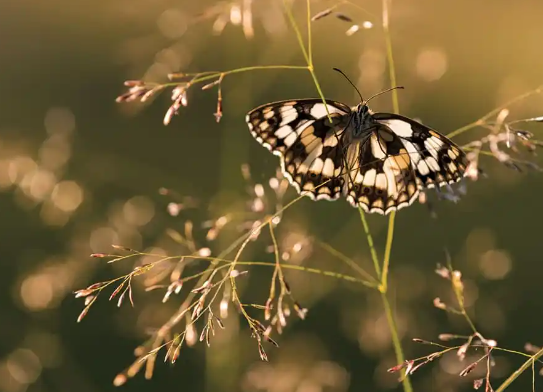
Once you’ve captured your images, the processing phase is where you can further refine them to achieve visual excellence. Software like Adobe Lightroom or Photoshop allows you to adjust exposure, contrast, and saturation to bring out the rich colors that backlighting can produce. Make sure to sharpen the details to highlight the insect’s features, such as compound eyes or delicate wings.
Don’t shy away from cropping your images or using selective blurring to emphasize certain aspects. Additionally, consider experimenting with different filters or effects to further enhance the mood you want to convey. A little bit of digital manipulation can go a long way in presenting your insect capture in its best light!
-
- Use editing software to adjust exposure and contrast.
-
- Apply sharpening effects to enhance details.
-
- Experiment with selective blurring techniques.
-
- Try different effects to match the mood you wish to convey.
In conclusion, mastering macro photography of insects under backlight conditions is a rewarding challenge that can yield mesmerizing results. By understanding how to manipulate light and camera settings, composing your shots thoughtfully, and refining your images in post-production, you can elevate your photography game to new heights. So grab your camera, venture into nature, and let the enchanting world of insects inspire your creativity!