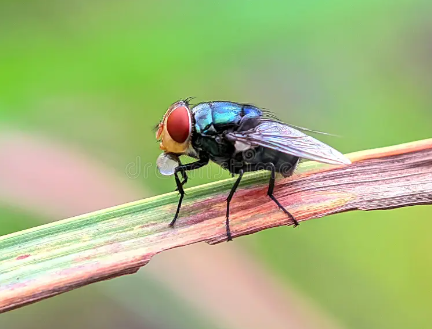
Macro photography is a captivating art form that allows photographers to capture the intricate details of insects and flowers, especially when adorned with morning dew. The combination of delicate petals shimmering with droplets and the vivid colors of insects creates stunning visual narratives that highlight the beauty of nature. If you are eager to elevate your macro photography skills, particularly focusing on insects on flowers with dew, this guide will provide you with essential insights and practical tips.
1. Essentials of Macro Photography Gear
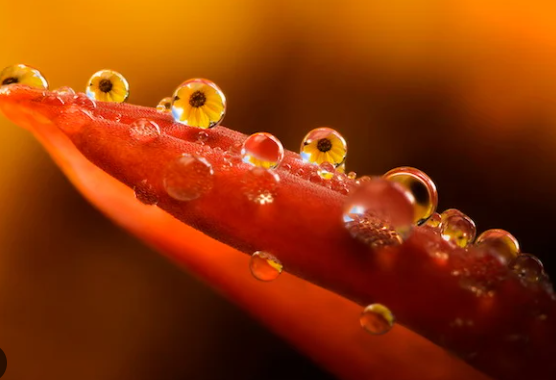
Before you can dive into macro photography, it’s imperative to understand the gear that will help capture those stunning close-ups. A dedicated macro lens is ideal since it allows for extreme close-ups without sacrificing image quality. Alternatively, extension tubes or close-up filters can be used with your existing lens to achieve similar effects. Furthermore, a sturdy tripod is crucial for stability, especially in low light conditions, which are common during early morning dew collection.
In addition to the lens, consider investing in a good lighting setup. Natural light is perfect for capturing the soft textures of flowers, but reflectors or diffusers can help mitigate harsh shadows or bright spots. Furthermore, using a remote shutter release will prevent camera shake, ensuring clear photos when you press the shutter button.
-
- Invest in a quality macro lens for the best detail.
-
- Use a tripod for stability in low light.
-
- Consider external lighting solutions for clarity.
-
- Utilize a remote shutter release to avoid camera shakes.
-
- Explore extension tubes for added versatility.
2. Timing and Conditions for Stunning Shots
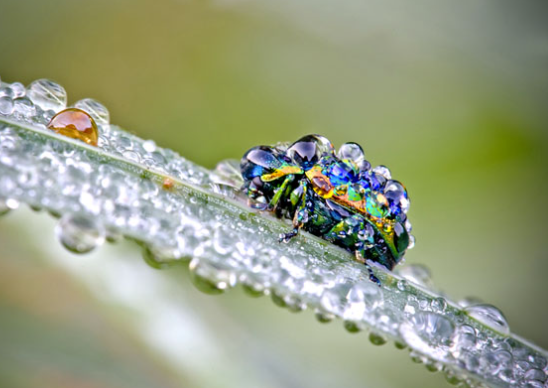
Capturing insects and flowers with dew is best achieved in the early morning when dew is still fresh and light is soft. This time frame provides a magical glow that adds ethereal quality to your photos. As the sun rises higher, the dew evaporates, and the harsh light may lead to overexposed images. Therefore, aim to arrive at your shooting location just before dawn to set up and capture the first light.
Additionally, weather conditions can play a significant role in your macro photography. Shooting after a light rain or in humid conditions can yield perfectly dewy scenes. Early mornings are often more tranquil as well, allowing you to capture insects as they emerge from their overnight slumbers. This period of stillness can help you capture close-ups of insects at rest, presenting a more intimate view of their behavior.
-
- Plan to shoot during the early morning hours.
-
- Arrive at your location before dawn for setup.
-
- Use weather conditions to your advantage, like after rain.
-
- Be patient and observant for insect behavior.
3. Composition Techniques for Captivating Images
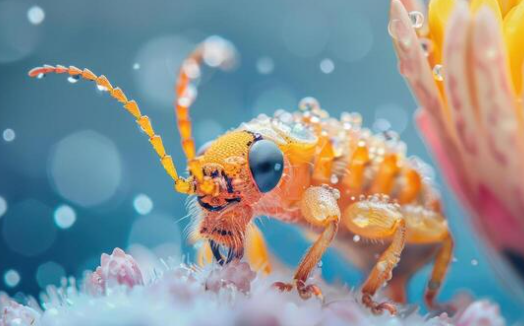
The art of composition is essential in photography, and macro photography is no exception. Before snapping the shutter, think about the placement of your subjects within the frame. Utilize the rule of thirds by dividing the photo into nine equal segments and positioning your main subject along these lines for a balanced image. Additionally, consider creating depth in your photo by including elements both in the foreground and background.
Another technique is focusing on the intricate details of the flowers and insects, rather than just their general appearance. Highlighting textures, colors, and the interaction between the two can create evocative imagery that tells a story. Experiment with different angles and perspectives, perhaps getting down to the level of the insect or capturing upward shots through petals to provide an unusual viewpoint.
-
- Apply the rule of thirds for balanced composition.
-
- Include foreground and background elements for depth.
-
- Focus on details and textures to create storytelling images.
-
- Experiment with various angles and perspectives.
4. Dealing with Challenges in Macro Photography
Macro photography can often come with unique challenges, particularly when dealing with subjects like insects that are imperceptibly small and may move quickly. To overcome this, develop skills in observing insect behavior. Understanding their habits can help you anticipate movements, enabling you to be ready for the perfect shot. Patience is key; you may spend a long time waiting for the right moment, but this is often rewarded with spectacular images.
Wind can also be a significant challenge, causing flowers to sway and making it difficult to achieve focus. If conditions are breezy, look for natural barriers that can shield your subjects or utilize a higher shutter speed to freeze motion. Alternatively, consider using focus stacking techniques that blend multiple images to compensate for motion blur, resulting in a sharper final product.
-
- Learn insect behaviors to anticipate their movements.
-
- Practice patience while waiting for the perfect shot.
-
- Find natural barriers to shield subjects from wind.
-
- Use a higher shutter speed to freeze motion.
By following these comprehensive tips, you will be well-equipped to capture breathtaking macro photographs of insects perched on dew-laden flowers. Whether you are a seasoned photographer or just starting, mastering these techniques will allow you to create dazzling images that showcase the wonder of nature. So, grab your camera, venture outside, and let your creativity flourish in capturing the mesmerizing details of the world around you.