
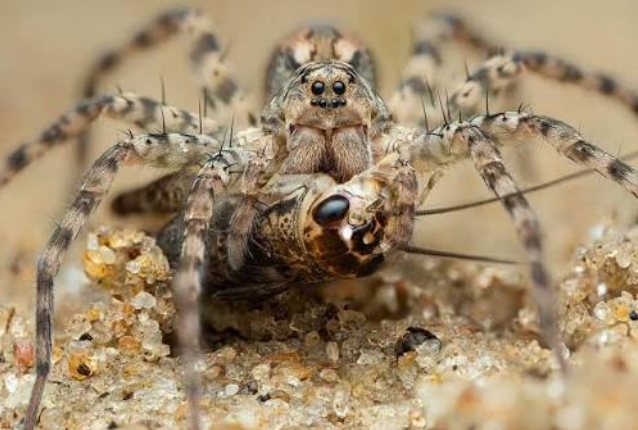
Macro photography of insects offers a unique window into a fascinating world that is often overlooked. Capturing these tiny creatures with soft focus backgrounds not only highlights their intricate details but also adds a dreamy, ethereal quality to the images. In this blog post, we will explore techniques, tips, and the importance of this captivating photography style.
1. Understanding Macro Photography Basics
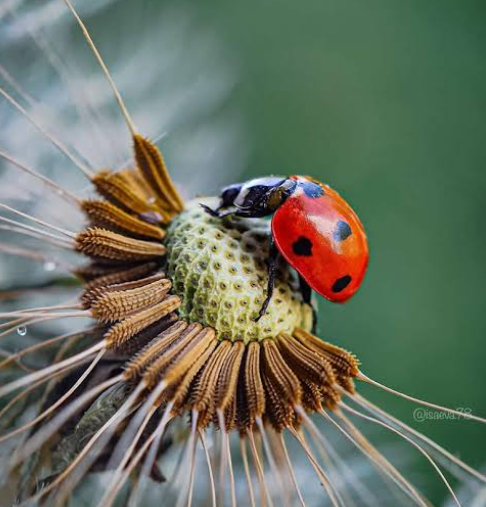
Macro photography is defined as close-up photography that reveals details that would be unnoticeable to the naked eye. Insect macro photography, in particular, allows you to capture the astonishing details of these small creatures, from the delicate veins in a butterfly’s wings to the texture of a beetle’s carapace. To get started, you will need a camera capable of focusing on subjects at close distances, such as a macro lens or a dedicated macro camera.
Lighting also plays a critical role in macro photography. Natural light often creates beautiful results, but it can be challenging due to harsh shadows and highlights. Soft light can be achieved through diffusers or during overcast days, which helps reduce harsh contrasts and brings out the true colors of your insect subject. Understanding how to manipulate light will help you create stunning images.
-
- Choose a macro lens or camera with macro capabilities.
-
- Experiment with various lighting conditions.
-
- Use a tripod for stability during close focus shots.
-
- Practice focusing on different insect parts, like eyes or wings.
2. Creating Soft Focus Backgrounds
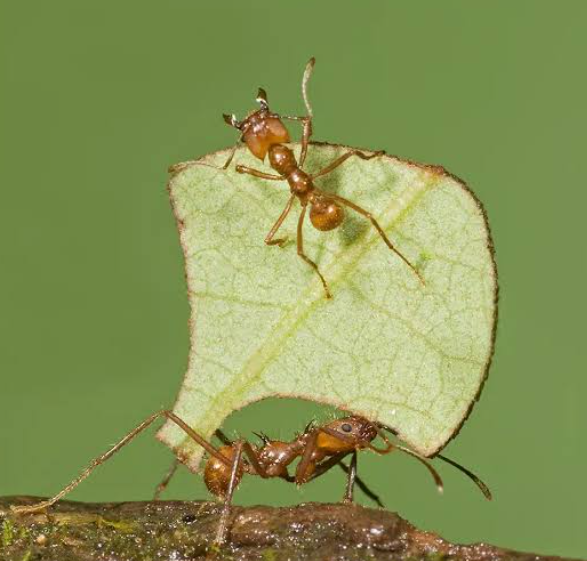
The beauty of macro photography lies not just in what you capture in the foreground, but also how you frame your subject. A soft focus background can help direct attention to the insect while adding depth and dimension to the image. This can be achieved through a shallow depth of field, which softens the details in the background while keeping the subject sharp and in focus.
To achieve this effect, you can adjust your aperture settings to a lower f-stop number, such as f/2.8 or f/4. This will create a very shallow depth of field, helping to blur the background elements. Additionally, positioning your subject further away from the background will enhance the softness, making your insect stand out even more dramatically against the gentle hues of the blurred scenery.
-
- Use a low f-stop number for a shallow depth of field.
-
- Position your subject farther from the background.
-
- Experiment with different light settings to see how they affect the background blur.
-
- Consider using a neutral density filter for more flexibility in bright conditions.
3. Choosing the Right Insect Subject
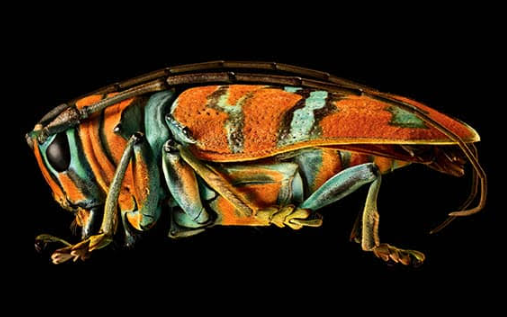
The secrets behind captivating insect macro photography often lie in the choice of subject. Some insects are more photogenic than others, displaying unique color patterns, shapes, or behaviors that make them ideal candidates for your photography. Common subjects like butterflies, spiders, and beetles are not just visually interesting, but their habitats often offer the soft backgrounds you need for stunning shots.
Additionally, consider the time of day for optimal insect activity. Morning or late afternoon are usually the best times, as these periods offer not only active insects but also favorable lighting conditions with softer shadows. Take the time to observe their movements and behaviors. This knowledge can lead to breathtaking captures as you anticipate their next move.
-
- Research which insects are prevalent in your area.
-
- Visit gardens, parks, or forests for diverse insect populations.
-
- Choose subjects that contrast well with their backgrounds.
-
- Pay attention to the time of day for the best lighting and activity levels.
4. Techniques for Stunning Macro Shots
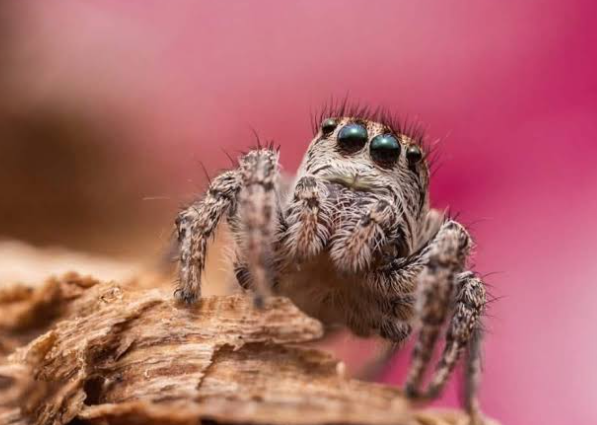
Once you have your setup, understanding certain techniques will help elevate your macro photography. One effective technique is to use off-camera flash or bounce flash to highlight your subject. This allows for precise lighting control, illuminating the intricate details of your insect without overwhelming it. Experiment with different flash techniques to see how they enhance or alter the mood of your photos.
Another crucial factor is patience; macro photography requires you to wait for the right moment. Many insects are skittish, so waiting quietly without sudden movements can increase your chances of capturing the perfect shot. Use this time to familiarize yourself with your environment, noting changes in light or stance that may affect your photographs.
-
- Implement off-camera or bounce flash techniques.
-
- Be patient and minimize movement while shooting.
-
- Try to capture your subject in natural poses or during feeding times.
-
- Experiment with angles and perspectives to find unique compositions.
In conclusion, macro photography of insects with soft focus backgrounds can be an enchanting pursuit that opens your eyes to the intricate beauty of nature. By understanding the basics, honing your techniques, and being patient, you can create stunning images that inspire others to appreciate these tiny creatures. So grab your camera, venture outdoors, and let your creativity capture the wonders of the insect world!