
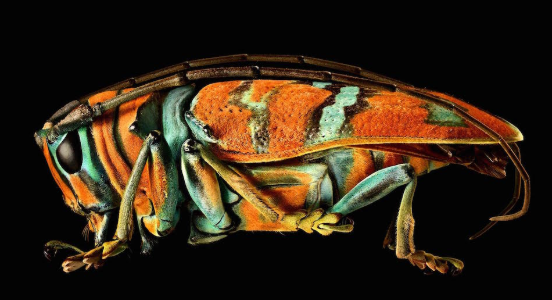
Macro photography of insects is an exciting and rewarding hobby that unveils the hidden intricacies of nature. With the right techniques and equipment, photographers can capture stunning images that reveal details often missed by the naked eye. This blog post will explore various elements related to macro photography of insects, highlighting tips, strategies, and equipment suggestions.
1. Understanding Macro Photography Basics
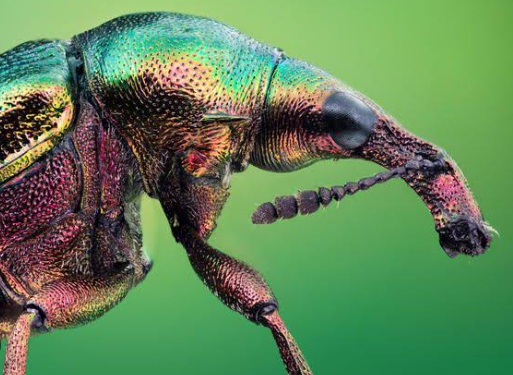
Macro photography involves capturing images at a close range, allowing for extreme detail to be visible. To achieve this, one must understand the appropriate gear, such as macro lenses or extension tubes, which enable greater magnification. Traditional lenses often struggle with focusing on such tiny subjects, so investing in specialized macro lenses can yield better results.
Aside from the gear, lighting plays a vital role in macro photography. Natural light is often insufficient, especially under the shaded foliage where many insects dwell. Therefore, learning to use artificial lighting, such as ring flashes or LED panels, can greatly enhance the clarity and details of the insects being photographed.
-
- Invest in a good quality macro lens or extension tubes.
-
- Familiarize yourself with your camera’s manual settings.
-
- Experiment with different lighting techniques to find what works best.
-
- Practice holding your camera steady to avoid motion blur.
-
- Consider using a tripod to ensure sharp focus.
2. Selecting the Right Subjects and Locations
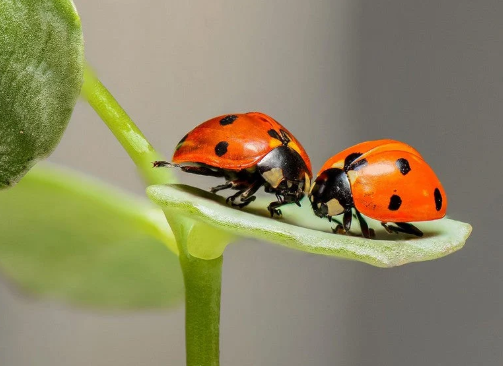
Choosing the right insects and locations is critical for successful macro photography. Start by observing your local environment; gardens, parks, and forests often teem with interesting insects. Common subjects include ants, bees, and butterflies, each offering various opportunities for captivating shots. Knowing the habits of these insects can help you position yourself for the best images.
Timing is also essential. Many insects are more active at certain times of the day or year. For example, early mornings are often ideal for capturing dew-covered spiders, while warmer months bring out a variety of butterflies. Planning your outings based on these factors can considerably improve your chances of capturing beautiful images.
-
- Scout local areas for biodiversity.
-
- Research different insects and their active periods.
-
- Visit locations at various times for different insights.
-
- Be patient and observant to ensure you don’t miss opportunities.
-
- Consider using a field guide for better identification.
3. Mastering Composition and Techniques
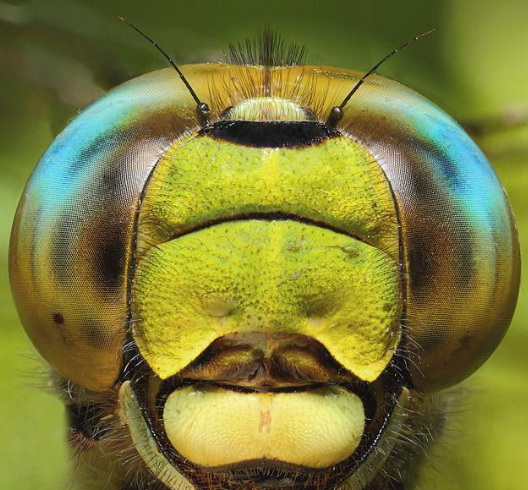
Great composition can elevate macro photographs from ordinary to extraordinary. The rule of thirds can be adapted for macro photography as well, providing a balanced composition that draws the viewer’s eye. Additionally, experimenting with angles can create dynamic images; shooting from below an insect can give a unique perspective that showcases its anatomy in interesting ways.
Focus stacking is another technique that can significantly improve image quality. This involves taking multiple images of the same subject at different focus points and combining them in post-processing to achieve greater depth of field. Creating impressive images in macro photography often requires a blend of creative vision and technical skill.
-
- Use the rule of thirds for balanced compositions.
-
- Experiment with angles to find unique perspectives.
-
- Try focus stacking to enhance depth of field.
-
- Pay attention to the background to avoid distractions.
-
- Use leading lines to draw focus to your subject.
4. Post-Processing Techniques for Enhancing Images
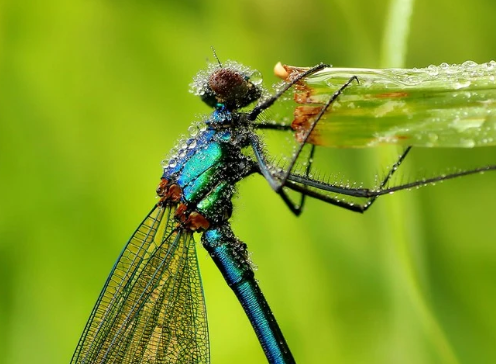
Post-processing is an essential step in macro photography that can turn a good image into a great one. Adjustments to exposure, contrast, and colors can bring out the finer details in your insect photos. Software options like Adobe Lightroom or Photoshop offer powerful tools for enhancing sharpness and clarity, allowing you to bring out the minute details that make macro images so captivating.
Another important aspect of post-processing is noise reduction. High ISO settings often introduce graininess, especially in macro photography where detail is paramount. Utilizing noise reduction techniques can ensure your images remain pristine and professional looking. Additionally, sharpening tools can help enhance the fine details of the insect’s structure, making for an even more striking photograph.
-
- Utilize software like Lightroom or Photoshop for editing.
-
- Adjust exposure, contrast, and colors to enhance details.
-
- Employ noise reduction techniques for cleaner images.
-
- Sharpen images carefully to bring out fine details.
-
- Save images in high-quality formats for printing and sharing.
In conclusion, macro photography of insects offers a unique way to explore the natural world while sharpening your photographic skills. By understanding the basics, selecting suitable subjects, mastering composition techniques, and utilizing effective post-processing strategies, you can create stunning images that showcase the minute details of these fascinating creatures. So grab your camera and start capturing the hidden beauty of insects today!