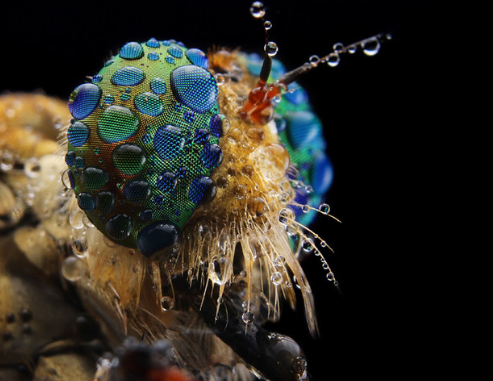
Capturing close-up macro shots of insects adorned with delicate water droplets can transform ordinary views into extraordinary visual narratives. These images not only showcase the intricate details of the insect world but also highlight the beauty of nature’s design. Whether you are a seasoned photographer or a beginner, understanding how to master this art form can lead to stunning results.
1. The Art of Macro Photography
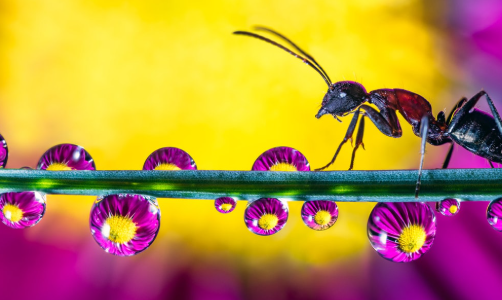
Macro photography allows you to capture subjects at life-size or greater, bringing out details that the naked eye might easily miss. When it comes to insects, this means showcasing their finely structured bodies, unique textures, and vibrant colors. Water droplets on these insects can enhance the visual narrative further, acting as tiny prisms that refract light and add a layer of depth to your photographs.
To get started in macro photography, invest in a good macro lens or extension tubes suitable for your camera. Moreover, a tripod can stabilize your setup, especially when shooting at slow shutter speeds or with high magnification. Don’t forget to consider the background; a blurred background can make your subject stand out, drawing attention toward the liquid droplets adorning the insects.
-
- Choose the right equipment: Macro lens, camera body.
-
- Use a tripod for stability.
-
- Consider ambient light: Early morning or late afternoon.
-
- Pay attention to the background; simplify it if necessary.
2. Finding Your Subjects
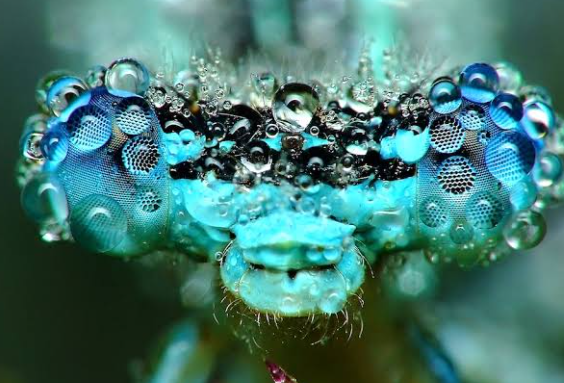
The search for insects that beautifully display water droplets can be both exhilarating and rewarding. Look for areas with high humidity, such as gardens, parks, or along a riverbank, as these environments often encourage the formation of dew. Early morning is particularly advantageous because many insects are more active and the dew is still fresh.
Consider the types of insects you want to capture; bees, butterflies, and dragonflies are popular choices. Each of these insects also has different preferences for habitat and time of activity, which can influence your results. Familiarize yourself with their behaviors, as this knowledge will increase the likelihood of finding them at the right moment, covered in dew or raindrops.
-
- Scout areas rich in flora.
-
- Look for insects that are inactive; mornings are best.
-
- Be patient; insects may need time to arrive.
-
- Take note of different species’ habitats.
3. Perfecting the Technique
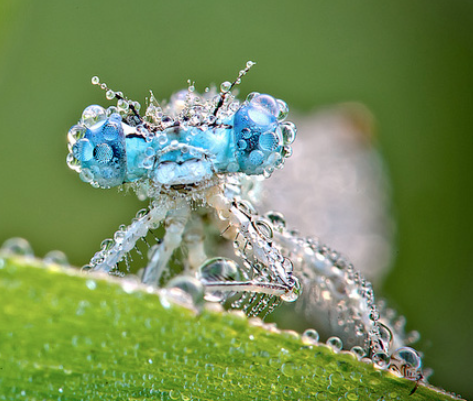
When you finally spot an insect ready for a macro shot, timing and technique will be crucial. Use manual focus to pinpoint the eye of the insect, as autofocus may struggle with such minute details. Experiment with different angles and distances; sometimes, a slight shift can create an entirely different and striking image. Remember, the key elements are composition and lighting.
Natural light is your best friend, so aim to shoot on overcast days or in shaded areas to minimize harsh shadows. If a mini setup is possible, consider using reflector panels to bounce light onto your subject or even a small handheld artificial light source. This can help accentuate the water droplets and intricate details of the insect’s body while creating a more balanced exposure.
-
- Utilize manual focus over autofocus.
-
- Experiment with angles for unique perspectives.
-
- Use natural light or reflectors for better illumination.
-
- Pay attention to exposure settings to avoid highlights blowing out.
4. Post-Processing Your Images
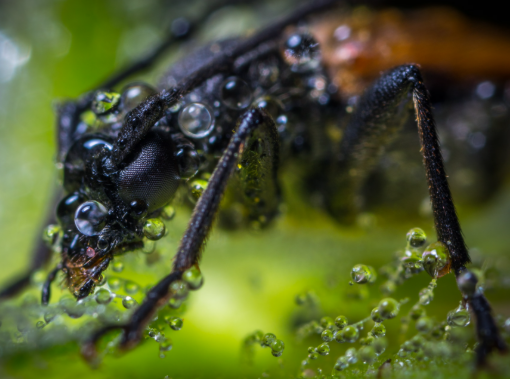
Once you’ve captured the shots, the editing process plays a vital role in enhancing your images. Software like Adobe Lightroom or Photoshop allows you to adjust exposure, contrast, and sharpness, further highlighting the water droplets on your subjects. Cropping can also improve composition, allowing the insect to dominate the frame effectively.
Be mindful not to over-process your images; maintaining a natural look is often the most appealing choice. Sometimes, a slight increase in vibrancy can make those water droplets sparkle, adding an enchanting quality to your close-up images. It can be beneficial to take a step back and analyze your edits; fresh eyes can help eliminate any minor mistakes and elevate the overall photo.
-
- Use editing software to adjust exposure and contrast.
-
- Consider cropping for better composition.
-
- Avoid over-processing for a natural look.
-
- Regularly review your edits to catch errors.
In conclusion, close-up macro photography of insects with water droplets is an engaging way to explore the beauty of nature while honing your photography skills. With the right techniques, patience, and creativity, you can capture stunning images that tell powerful stories. So, grab your camera and venture out into the world of macro photography—you never know what extraordinary moments await!