
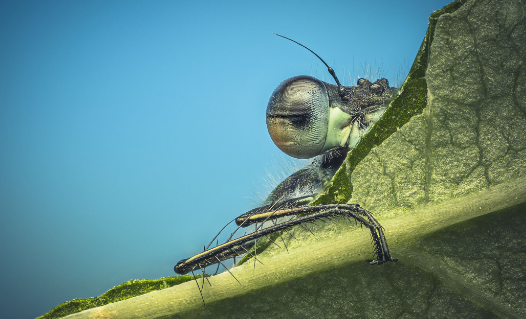
Photographing insects is a fascinating journey into the microscopic world of nature, revealing intricate textures and astonishing details. By honing your skills in macro photography, you can capture the beauty hidden beneath the surface of these creatures. In this post, we will explore techniques that will enhance your insect photography, focusing on capturing texture and detail effectively.
1. Understanding Your Gear
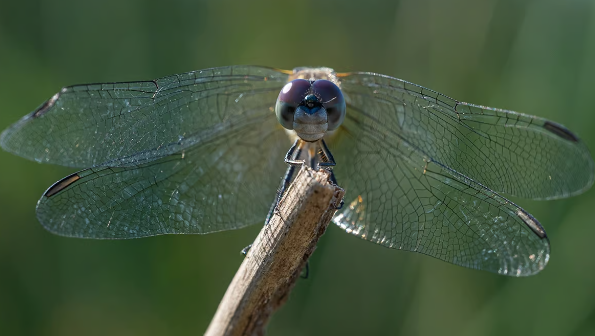
To capture insects with exquisite detail, it’s crucial to have the right equipment. A macro lens is ideal as it allows for close-up shots, revealing the fine details of an insect’s anatomy, such as the texture of its wings or the tiny hairs on its legs. If you don’t own a macro lens, consider using extension tubes or close-up filters, which can also help achieve a similar effect.
Moreover, a sturdy tripod is necessary for stabilizing your camera, especially in low light conditions where longer exposure times are required. Utilizing a remote shutter release can further prevent camera shake, ensuring your images remain sharp. Lastly, an external flash can help illuminate your subjects without relying on natural light, giving you control over shadows and highlights in your photographs.
-
- Invest in a quality macro lens for best results.
-
- Try extension tubes or close-up filters if a macro lens isn’t available.
-
- Use a tripod to stabilize your camera.
-
- Employ a remote shutter release for sharp images.
-
- Utilize an external flash for better lighting control.
2. Mastering Composition and Lighting
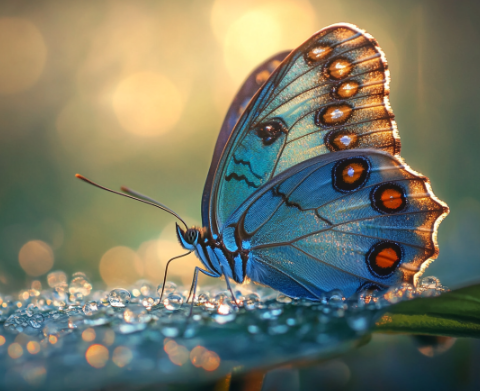
Effective composition is key to enhancing the visual impact of your insect photographs. Understand the “rule of thirds” by placing your insect slightly off-center, which creates a more engaging image. Additionally, look for interesting backgrounds that contrast with your subject, as this can highlight the insect’s details without distraction.
Lighting plays a pivotal role in capturing texture. Early mornings or late afternoons provide soft, diffused sunlight that enhances the colors and textures of insects. Alternatively, using a macro ring light can help illuminate specific areas, allowing for greater focus on particular details without harsh shadows. Experimenting with backlighting can also illuminate the fine hairs and details on wings and legs, adding an ethereal quality to your images.
-
- Apply the rule of thirds for better composition.
-
- Choose contrasting backgrounds to make your subject stand out.
-
- Photograph during golden hours for soft lighting.
-
- Consider macro ring lights for even illumination.
-
- Experiment with backlighting to enhance textures.
3. Be Patient and Observant
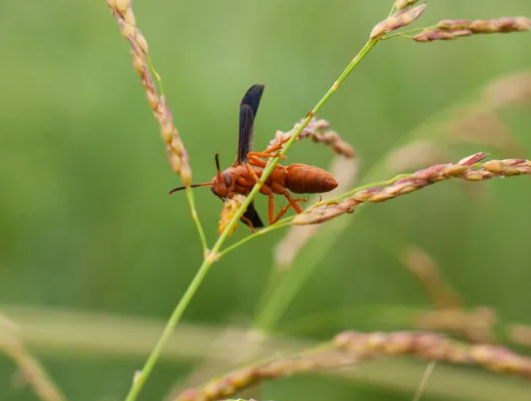
Patience is a virtue when it comes to photographing insects. It often requires waiting quietly and observing nature to capture the perfect moment. Insects can be unpredictable, so remaining still and alert ensures you’re ready to catch them in action. Learning about the behavior of specific insects can also help you anticipate their movements, leading to better photo opportunities.
While observing, pay attention to details like how they interact with their environment, such as drinking nectar or resting on a leaf. These behaviors provide context and enhance the storytelling element of your photographs. Take your time to explore different angles and perspectives to truly showcase the subject’s unique features, which can elevate your work from ordinary snapshots to stunning images.
-
- Practice patience while waiting for the perfect shot.
-
- Observe insect behavior to anticipate movements.
-
- Explore various angles for unique perspectives.
-
- Take your time to compose each shot carefully.
-
- Make notes of insect habits to improve future shoots.
4. Editing Your Images
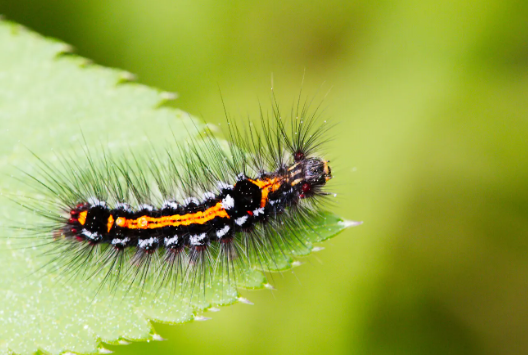
Post-processing is a crucial step in enhancing the quality of your insect photographs. Using software like Adobe Lightroom or Photoshop allows you to adjust exposure, contrast, and sharpness, making details pop. Cropping can also improve the composition by removing distractions and focusing attention on the insect itself.
Be careful not to over-edit; maintaining the natural look is essential, especially in macro photography where textures can easily be exaggerated. Simple adjustments, like enhancing clarity and vibrance, can significantly improve your final image while preserving the original beauty. Don’t hesitate to experiment with software tools that can help sharpen details or reduce noise in low-light images.
-
- Use editing software to enhance exposure and contrast.
-
- Crop images to focus on the subject and remove distractions.
-
- Maintain a natural look; avoid over-editing.
-
- Enhance clarity and vibrance to improve details.
-
- Experiment with tools to reduce noise in your photos.
In conclusion, photographing insects with an emphasis on texture and detail is a rewarding endeavor that requires both skill and patience. By selecting the right gear, mastering composition, being observant, and adeptly editing your images, you can bring the small wonders of nature to life. So grab your camera, venture outdoors, and start capturing the fascinating world of insects right at your doorstep!