
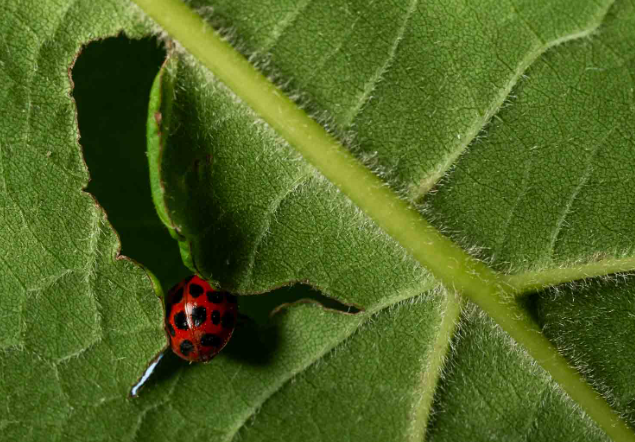
Macro photography offers a breathtaking glimpse into the intricate world of insects, capturing details that are often invisible to the naked eye. By focusing on the sharp foreground details, photographers can reveal the unique textures and features that characterize these tiny creatures. Understanding the nuances of macro photography can elevate your skills and enhance the beauty of your images.
1. Essential Equipment for Macro Photography
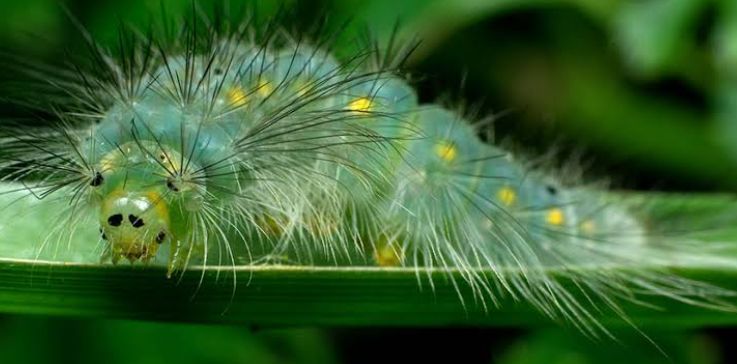
To capture stunning images of insects, having the right equipment is crucial. A macro lens is a primary investment, as it allows you to shoot at close distances without sacrificing detail. For most insects, a lens with a 100mm focal length is ideal because it provides a comfortable working distance, reducing disturbances while allowing for optimal lighting and clarity.
In addition to a macro lens, consider a sturdy tripod to stabilize your camera. This is especially important in macro photography, where even slight movements can lead to blurry images. A good quality external flash with a diffuser can also help illuminate your subject, making it possible to capture sharp details even in darker environments.
-
- Invest in a dedicated macro lens (100mm is ideal).
-
- Use a sturdy tripod to minimize camera shake.
-
- Consider a flash with a diffuser for even lighting.
-
- Carry a remote shutter release to avoid touching the camera.
-
- Keep lens cleaning cloth handy for any unexpected smudges.
2. Perfecting Your Technique
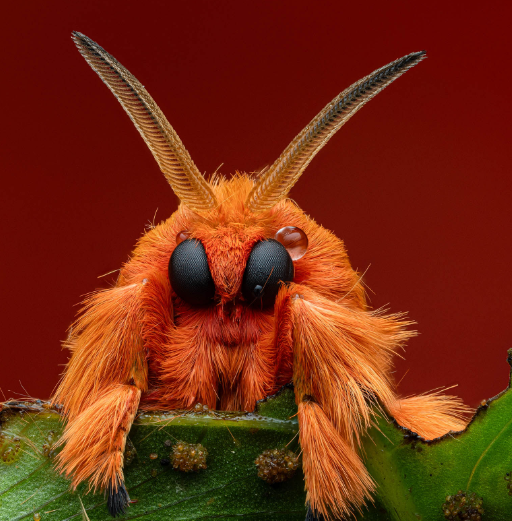
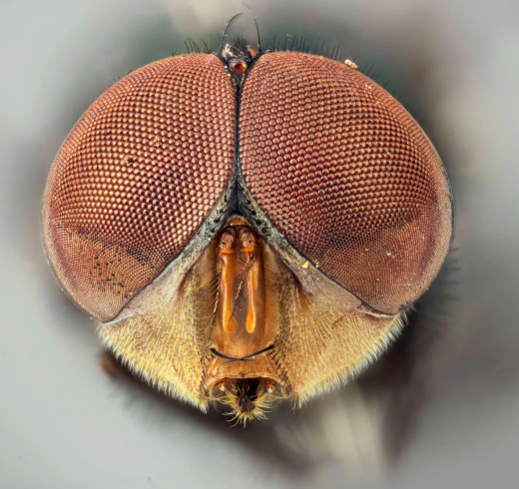
Mastering your technique is essential for capturing the sharpest foreground details in your macro photography. Focus on your subject’s eyes, as they often provide a captivating focal point that draws viewers in. Use manual focus instead of autofocus, as it gives you greater control over what exactly is in focus, especially at such close distances.
Understanding depth of field (DOF) is also critical. A shallow depth of field can create beautiful bokeh effects that isolate the subject from the background, while a greater DOF ensures that more of the insect is in focus. Experiment with different aperture settings to see how they affect the sharpness and background blur in your images.
-
- Use manual focus for better precision.
-
- Regularly practice focusing on the subject’s eyes for impact.
-
- Experiment with aperture to control depth of field.
-
- Take multiple shots at different focus points to compare results.
-
- Review your images frequently to identify areas for improvement.
3. Choosing the Right Lighting Conditions
Lighting plays a significant role in macro photography. Natural light is often the preferred choice, especially the soft, diffused light found in early morning or late afternoon. This type of lighting minimizes harsh shadows and highlights, helping you to capture the vibrant colors and fine details of your insect subjects.
In some cases, you may need additional light sources. Ring lights or LED panels can provide consistent illumination that enhances textures and colors. Experimenting with different light sources allows you to discover unique effects, such as the glossy sheen on insect wings or the subtle variations in color on their bodies.
-
- Opt for early morning or late afternoon for natural light.
-
- Use reflectors to bounce light onto your subject.
-
- Try a ring light for shadow-free illumination.
-
- Experiment with diffusers when using flash to soften the light.
-
- Pay attention to how changing light alters your subject’s appearance.
4. Tips for Composition and Framing
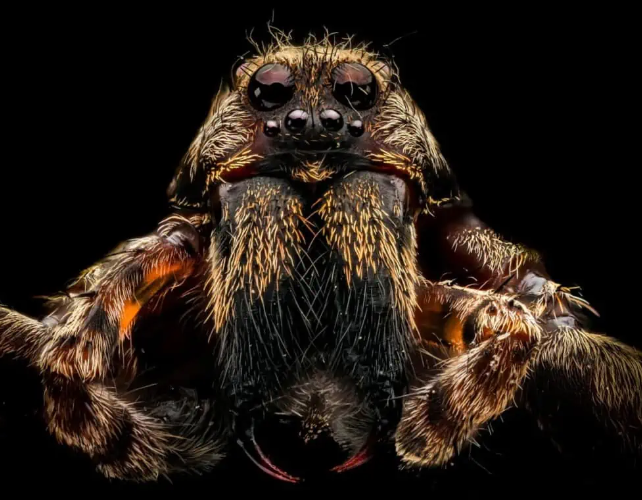
Composition is essential in macro photography, as it can make or break your shot. Use the rule of thirds to guide your placement of the insect within the frame. This technique adds interest and balance to your images. Additionally, experiment with different angles; shooting from below can create a unique perspective that showcases the insect in its natural habitat.
Don’t forget about the background. A busy background can distract from your subject, so try to simplify it as much as possible. Getting low to the ground can help you isolate the insect from grass and other distractions, allowing for a more focused and sharp image.
-
- Use the rule of thirds for balanced composition.
-
- Try shooting from different angles for variety.
-
- Simplify the background to enhance focus on the subject.
-
- Use natural elements like flowers to complement your insect.
-
- Keep the horizon level to maintain visual appeal.
Macro photography of insects can be an exhilarating experience that reveals the beauty and complexity of the natural world. By mastering your equipment, technique, lighting, and composition, you can capture stunning images that showcase sharp foreground details. So grab your camera, venture outdoors, and start exploring the tiny wonders around you!