
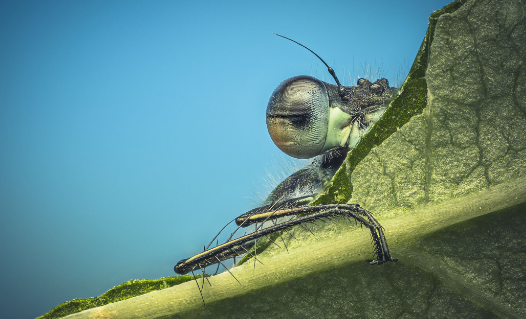
Photographing insects with macro lenses can reveal the incredible details of these often-overlooked creatures, showcasing their textures, colors, and behaviors. With the right techniques and a bit of patience, you can capture stunning images that tell a story about the fascinating world of insects.
1. Understanding Your Equipment
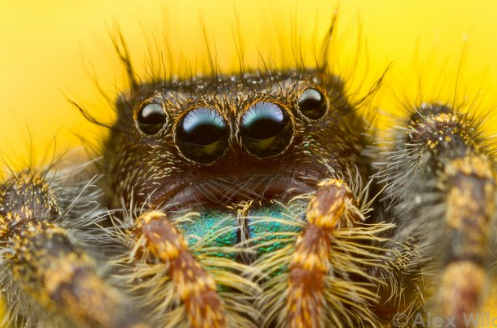
When diving into macro photography, your choice of equipment plays a crucial role in your success. Macro lenses are designed specifically for close-up photography, usually allowing for a magnification ratio of 1:1 or higher, which means that the subject can be captured at its actual size on the camera sensor. Investing in a quality macro lens can make a significant difference in clarity and detail; however, other equipment like extension tubes or close-up filters can also work for capturing insects at a closer range.
In addition to the lens, consider your camera settings. A higher aperture (like f/16 or f/22) increases your depth of field, which is especially advantageous when photographing small subjects. However, you should watch out for diffraction, which can reduce sharpness. Remember, better equipment can sometimes be overshadowed by your techniques and creativity.
-
- Choose a quality macro lens for the best results.
-
- Experiment with extension tubes or close-up filters as budget-friendly options.
-
- Use a tripod for stability, especially in low light.
-
- Get familiar with your camera’s manual settings.
-
- Practice using various apertures to find the best depth of field.
2. Mastering Lighting Conditions
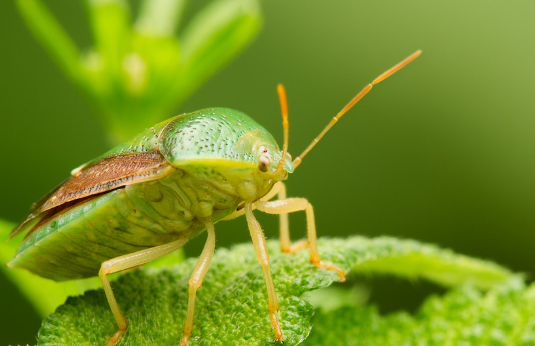
Good lighting is essential for macro photography, as it can emphasize textures and colors in your insect subjects. Natural light tends to provide beautiful colors and subtle shadows; however, it can be unpredictable. If you’re shooting outdoors, the best time is usually during the “golden hour,” shortly after sunrise or before sunset, when the sunlight is soft and warm.
Alternatively, using artificial lighting like a flash or LED panel can help you maintain consistent illumination. A diffuser can soften harsh light, preventing unwanted glare. Experimenting with different lighting setups will allow you to highlight specific features, like the intricacies of a butterfly’s wings or the fine hairs on a bee’s legs.
-
- Utilize natural light during the early morning or late afternoon.
-
- Consider using a flash or LED light for indoor or low-light conditions.
-
- Use diffusers to soften strong light and reduce harsh shadows.
-
- Capture images in varying light conditions to see different effects.
-
- Avoid shooting in direct sunlight, as it can wash out details.
3. Getting Close and Personal
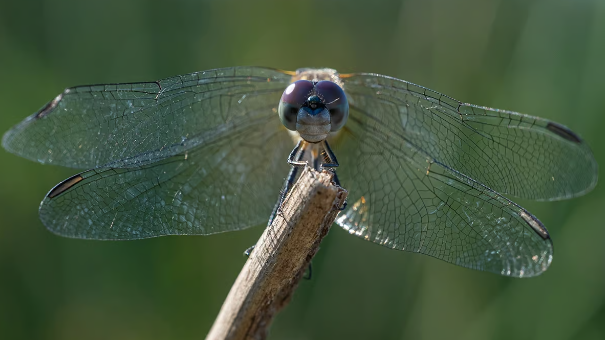
Macro photography literally means getting up close and personal with your subjects. Insects can be skittish, so patience is key when trying to approach them without scaring them away. Move slowly and be mindful of their environment; observing an insect for a while before clicking can help you anticipate its movements and behaviors.
Using a tripod can provide you with stability, but if you’re trying to capture an insect in motion, practicing handheld shots may yield better results. Panning with your subject as it moves can also produce dynamic images that convey energy and life. Take time to explore various angles and compositions to maximize visual interest and depth in your photographs.
-
- Approach insects slowly to avoid startling them.
-
- Observe their behavior to predict movements.
-
- Utilize a tripod for stability when necessary.
-
- Experiment with handheld shots for active insects.
-
- Try different angles and perspectives for unique compositions.
4. Focusing Techniques that Work
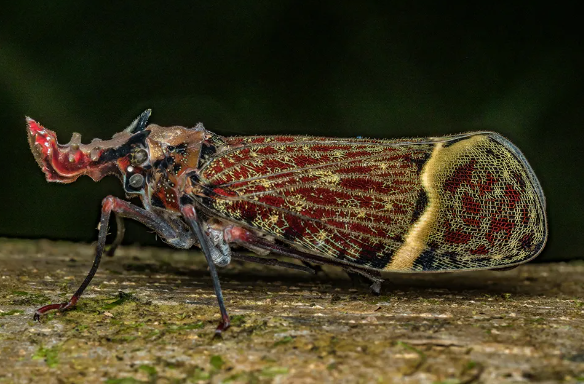
Achieving sharp focus is vital in macro photography as even slight movements can result in blurred images. Because depth of field is minimal at close distances, precise focusing is crucial to ensuring that the intended features of the insect are sharp. Using manual focus allows you to fine-tune your settings, often yielding more satisfying results than relying solely on autofocus.
Another approach to improve focus is using focus stacking techniques. This involves taking several images at slightly different focal points and merging them in post-processing. By stacking these images, you can achieve a depth of field that would be impossible to get with just one shot. This technique is particularly useful for subjects with intricate details, like the eyes of a dragonfly or the segmented body of a caterpillar.
-
- Use manual focus for greater control over sharpness.
-
- Experiment with focus stacking for enhanced depth of field.
-
- Keep the shutter speed high to prevent motion blur.
-
- Check your camera settings for optimal focus modes.
-
- Practice focusing on different parts of your subject.
5. Post-Processing for Enhanced Images
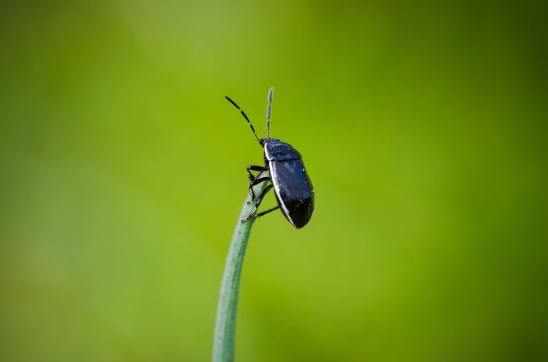
Editing your images is an essential step in achieving stunning macro photographs. Software like Adobe Lightroom or Photoshop can help adjust exposure, colors, and sharpness, bringing out hidden details that may not be visible in the original shot. However, it’s important to maintain a natural look; excessive over-editing can detract from the beauty of your subjects.
Consider using sharpening tools sparingly to enhance textures without creating noise. Adjusting contrast can also help give your images a three-dimensional feel, highlighting intricate details. Saving your images in the highest quality format allows you to retain details even after cropping or resizing.
-
- Use post-processing software to enhance color and exposure.
-
- Apply sharpening tools judiciously to avoid excessive noise.
-
- Adjust contrast for a more dynamic image.
-
- Save your images in high-quality formats.
-
- Make sure to maintain a natural appearance in edits.
Insect photography opens a window to a vibrant world teeming with intricate details and extraordinary beauty. Whether you are a seasoned photographer or a curious beginner, each click of the shutter will unveil something new and exciting. Gather your equipment, practice your techniques, and immerse yourself in nature, because the world of insects is waiting to be captured!