
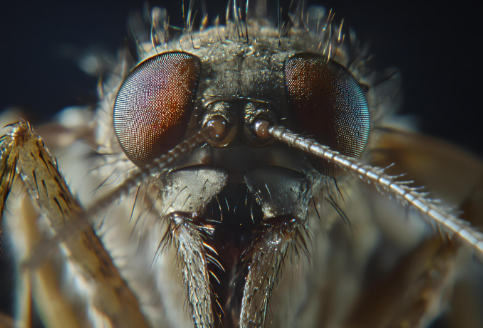
Macro photography of insects is a fascinating and rewarding pursuit that reveals the intricate details of the natural world. Capturing detailed textures can elevate your images and provide insight into the life of these tiny creatures. Let’s explore the techniques and tips that can help you master this unique form of photography.
1. Understanding Your Equipment
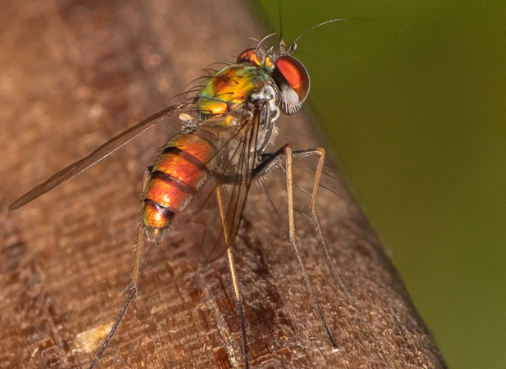
Before you can capture the stunning textures of insects, you need to understand the equipment that will help you achieve this goal. A dedicated macro lens is essential, as it allows you to get up close to your subject while maintaining sharp focus and rich detail. Consider lenses with a magnification ratio of 1:1; these lenses enable you to fill the frame with your subject, capturing the intricate nuances that standard lenses simply cannot.
In addition to your macro lens, using a sturdy tripod can be advantageous, especially for shooting in lower light conditions. The stability provided by a tripod helps prevent camera shake and allows for clearer images. If you are shooting in hand, use a fast shutter speed so that even slight movements do not detract from the sharpness of the insect image.
-
- Choose a macro lens with a 1:1 ratio.
-
- Consider using a tripod or monopod for stability.
-
- Be mindful of your camera settings for low-light conditions.
-
- Practice using manual focus to achieve the best detail.
2. Mastering Lighting Techniques
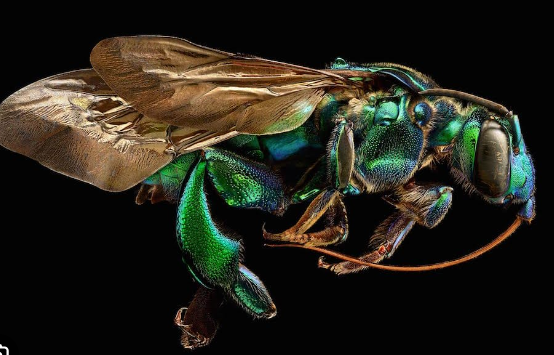
Lighting is a critical component in macro photography, as it brings out the detailed textures of insects. Natural light often works well, but can be unpredictable, especially in dense vegetation where shadows play a significant role. Try to shoot during the “golden hour,” shortly after sunrise or before sunset, when the light is soft and warm. This time of day enhances textures and colors, resulting in more visually appealing photographs.
When working with artificial light, consider using diffusers to soften harsh shadows and direct flashes that can wash out your subject. LED lights or ring flashes provide even illumination without creating overly bright spots, which helps to preserve the fine details of an insect’s exoskeleton. Experimentation with different lighting setups can yield diverse results, so take time to find what works best for you.
-
- Use natural light during the golden hour for warmer images.
-
- Incorporate diffusers to soften shadows when using artificial light.
-
- Consider using LED lights or ring flashes.
-
- Experiment with various angles to see how they affect lighting.
3. Focusing on Composition
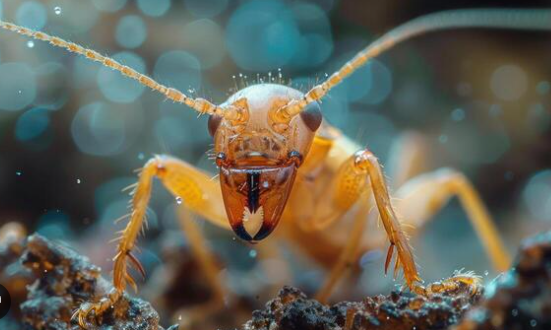
Effective composition is essential for drawing the viewer’s eye to your subject. Utilize the rule of thirds to balance your image, positioning the insect off-center which can create a more dynamic photograph. Additionally, include elements of the insect’s habitat in your shot; this not only provides context but can also add depth and visual interest.
Be mindful of the background as well. An overly busy background can distract from the main subject, while a blurred background, or bokeh, helps keep the focus on the insect. Experiment with depth of field by varying your aperture settings; a wide aperture (small f-number) can create a shallow depth, isolating the insect from its surroundings, while a narrow aperture (larger f-number) brings more of the scene into focus.
-
- Apply the rule of thirds for better balance in your shots.
-
- Incorporate elements of the habitat for added context.
-
- Use a blurred background to keep focus on the insect.
-
- Experiment with aperture settings to adjust depth of field.
4. Patience and Observation
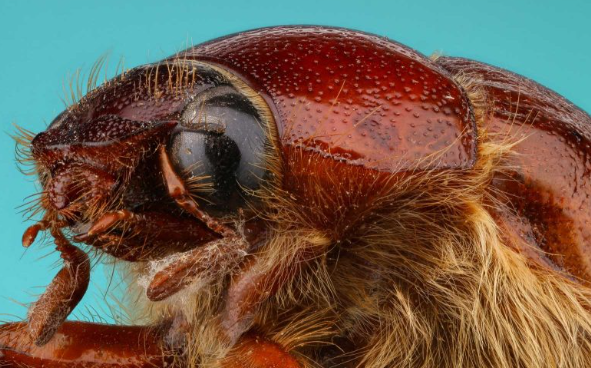
Capturing insects in their natural habitat demands patience and keen observation. Insects can be elusive, and their movement patterns often change rapidly. To increase your chances of success, take time to quietly observe their behavior before attempting to photograph them. Look for patterns in their movements and the best times of day when they’re most active.
Being patient can also mean waiting for the perfect moment. Sometimes, it’s necessary to remain still for an extended period, allowing the insect to become accustomed to your presence. Consider using a “blind” technique, where you set up your camera and step back. This avoids startling the insect and allows you to capture more natural poses and behaviors.
-
- Practice patience; observe insect behavior before photographing.
-
- Identify peak activity times for different insect species.
-
- Utilize a “blind” technique to minimize disturbance.
-
- Stay still to capture natural poses and movements.
5. Post-Processing for Detail Enhancement
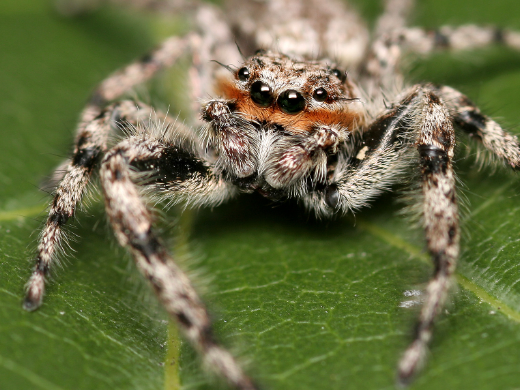
The art of macro photography doesn’t end with capturing the shot; post-processing allows photographers to enhance details that might not be fully visible in the original image. Software like Adobe Lightroom or Photoshop enables you to adjust contrasts, brightness, and sharpness, thereby revealing intricacies in textures and colors. Try applying sharpening tools selectively to areas that need enhancement while avoiding noise in less detailed sections of the image.
Consider cropping your images after capturing them to focus on the most interesting parts. This not only draws attention to specific textures but can also create a more seamless composition. However, ensure you maintain a high-quality resolution, as cropping too much can compromise the image quality.
-
- Invest time in learning post-processing software.
-
- Adjust contrast and brightness to enhance textures.
-
- Crop wisely to focus on the main subject.
-
- Avoid over sharpening, which can introduce noise.
Insect macro photography is an incredible blend of art and science, allowing you to capture the beauty of tiny creatures in stunning detail. By understanding your equipment, mastering lighting and composition, exercising patience, and enhancing your images in post-processing, you can elevate your photography skills and create striking images. Take the plunge and start exploring the enchanting world of macro photography today! Capture moments that inspire others and showcase the beauty hidden in the minuscule details of nature.