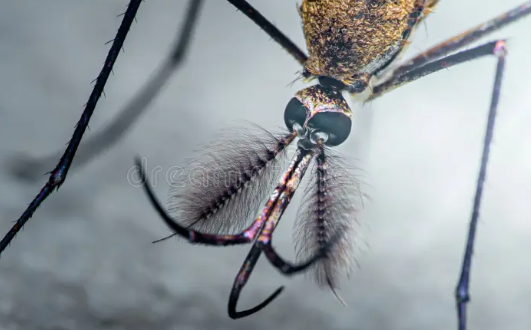
Insect antennae are not merely sensory organs but fascinating structures that feature astonishing textures. Close-up shots of these antennas reveal intricate patterns and designs that tell us a great deal about the insect’s environment and lifestyle. Understanding these textures can deepen our appreciation for these creatures and their ecological roles.
1. The Diverse Textures of Antennae
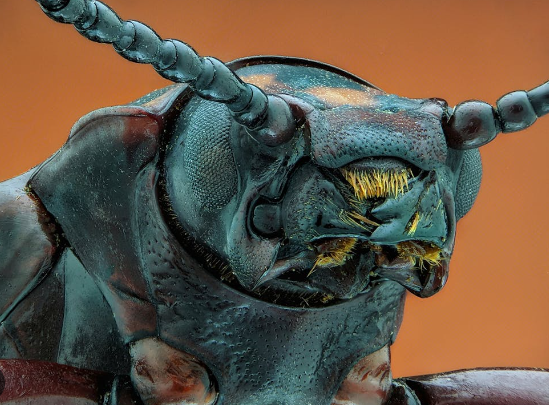
The textures of insect antennae vary widely across species, reflecting adaptations to their specific environments. For instance, moths have feathery antennae that increase their surface area, allowing them to detect pheromones better than some other insects. In contrast, ants possess stout, segmented antennae that help them gather information about their surroundings through tactile and olfactory cues.
This diversity in antennae texture not only aids in survival but also indicates evolutionary adaptations. For example, the streamlined, hair-like structures on a dragonfly’s antennae help it navigate through fast-moving air. On the other hand, the rougher, hairy surfaces seen in bush crickets are designed to trap scents, giving them an advantage when searching for mates or food.
-
- Observe antennae from different angles to see texture variations.
-
- Use a macro lens for close-up photography to capture fine details.
-
- Note any color differences in the antennae that might affect texture perception.
-
- Consider the habitat of the insect to understand why certain textures evolved.
2. The Functionality of Different Textures
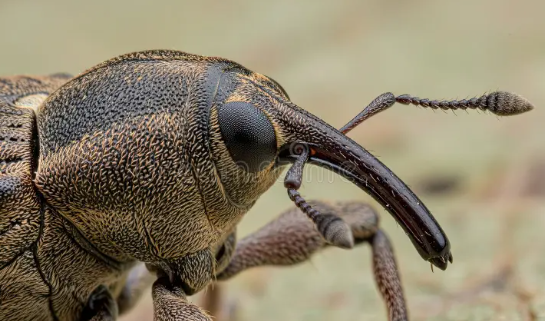
The texture of insect antennae serves various functions, enhancing their ability to interact with the environment. For instance, the fine hairs on the antennae of bees play a crucial role in pollination. These hairs trap pollen grains, allowing bees to carry them between flowers. When observed up close, the complexity of this texture illustrates how vital it is for their survival and for the plants they pollinate.
In contrast, the stiff, segmented structure of a cockroach’s antennae helps it detect vibrations in its environment. This can be crucial for avoiding predators or navigating in complete darkness. Close-up images of these antennae show how their design is tailored to the function they serve, illustrating the beauty of form following function in nature.
-
- Examine the different hair patterns on various insect antennae.
-
- Identify the primary sensory functions attributed to specific textures.
-
- Research how these textures correlate with the insect’s diet and habitat.
-
- Take notes on how texture influences behavior in different species.
3. The Role of Antennae in Insect Communication
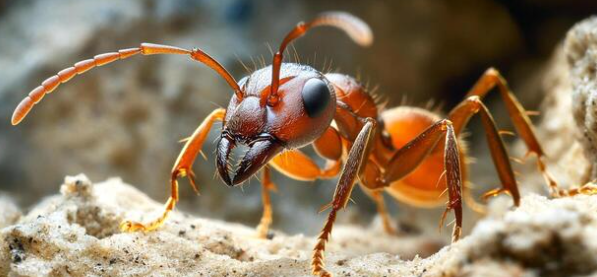
Antennae play a crucial role in insect communication, particularly through chemical signals. Various textures help capture airborne pheromones, allowing insects to convey messages about mating or territory. For example, the broad, feathered antennae of male moths are perfect for detecting female scents from long distances. Close-up shots can show how the surface area and hair density contribute to their sensitivity.
Besides pheromones, insects also use their antennae for tactile communication. For instance, ants utilize their antennae to touch and ‘taste’ substances, helping them differentiate between food sources or colony members. Examining the fine textures of their antennae close-up highlights how essential these structures are for social interaction and navigation within their communities.
-
- Observe how different species communicate through antennae.
-
- Look for textures that aid in scent detection during field studies.
-
- Document any interesting interactions observed during photography sessions.
-
- Utilize videos to capture live interaction for a dynamic view of communication.
In conclusion, close-up shots of insect antennae textures provide a window into the remarkable adaptations of these creatures. By exploring the diversity, functionality, and communicative roles of these antennae, we cultivate a greater appreciation for the insect world. Whether you are a budding naturalist or a seasoned researcher, consider taking the next step to observe these fascinating details in your own backyard or a local nature reserve.