
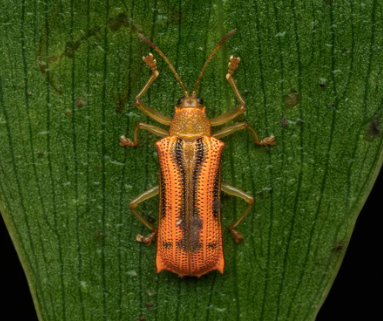
Photographing insects in shaded environments can be both a challenge and a joy. Understanding how to work with low light conditions allows you to capture stunning images of these tiny creatures while also gaining insight into their natural behaviors.
1. Understanding Light Conditions
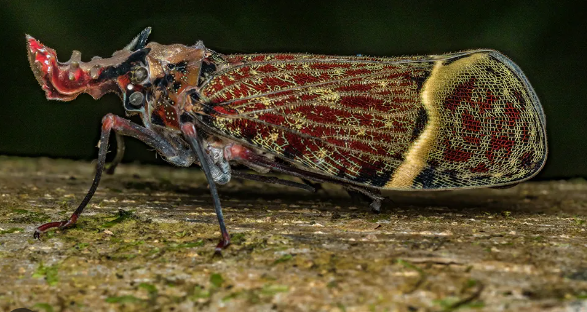
In shaded areas, natural light is limited, which can lead to dark and unclear photographs if not managed correctly. To combat this, a fundamental understanding of light conditions is essential. A cloudy day can provide diffused light, which is generally more favorable for insect photography since it reduces harsh shadows. Conversely, when shooting under tree canopies, sunlight can create dappled light that can be both beautiful and problematic.
Choosing the right time of day for your photography is also critical. Early morning or late afternoon often provides softer light, which is particularly good for shooting insects. During these times, you’ll find insects like butterflies and bees more active, making it easier to capture their movements and behaviors.
-
- Scout locations during different times of day for the best lighting.
-
- Observe how light falls in potential photography spots.
-
- Use cloudy days to your advantage for diffuse lighting.
-
- Avoid direct sunlight when possible; aim for shaded but bright areas.
2. Camera Settings for Low Light
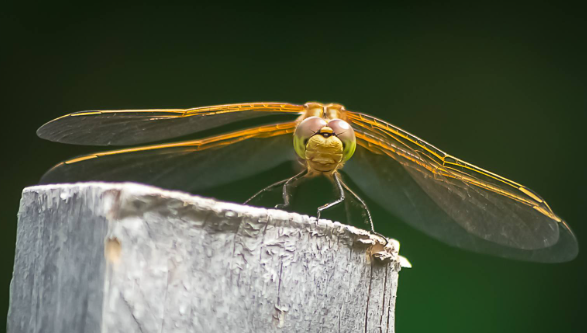
In a shaded environment, adjusting your camera settings becomes paramount for achieving sharp and well-exposed images. Begin by increasing the ISO setting on your camera; a higher ISO will increase your camera’s sensitivity to light. However, be cautious of going too high, as this may introduce noise and grain in your images. Experimenting to find the sweet spot for your particular camera is essential.
Next, consider your aperture settings. A wider aperture (lower f-stop number) allows more light to enter the camera, which can be beneficial for capturing insects in dim conditions. However, bear in mind that a wider aperture also means a shallower depth of field, which can blur your background and draw focus to the insect. A balance between aperture and shutter speed is vital to avoid motion blur when capturing active insects.
-
- Try an ISO setting between 800 to 1600 in shady areas.
-
- Use a wide aperture, such as f/2.8 or f/4, to allow maximum light.
-
- Experiment with your shutter speed, aiming for at least 1/200 second for quick movements.
-
- Use image stabilization features if your camera or lens has them.
3. Composition Techniques
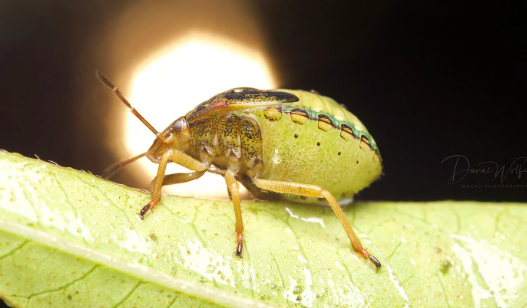
Once you have your camera settings sorted, focusing on composition can elevate your insect photography. Since insects are often small and can be easily overlooked, consider using the ‘rule of thirds’ to make your subjects more engaging. Positioning your insect off-center can draw the viewer’s eye to them while allowing for a more dynamic background.
Additionally, incorporating foreground elements can add depth to your images; for instance, capturing insects on colorful flowers or interesting foliage can enhance the overall visual impact. Don’t shy away from experimenting with different angles; shooting from below or above can highlight unique patterns on the insect’s body and create more interesting results.
-
- Use the rule of thirds to position insects effectively.
-
- Incorporate interesting backgrounds for better context.
-
- Experiment with various shooting angles for creativity.
-
- Pay attention to the surrounding elements that make the scene richer.
4. Patience and Observation
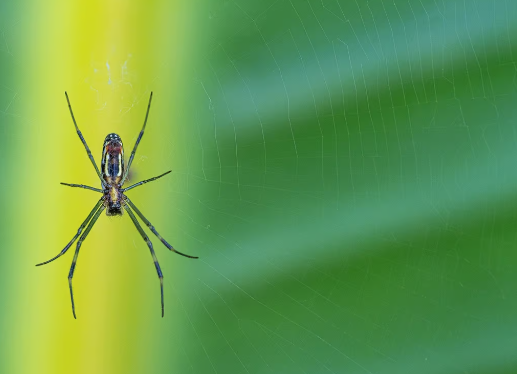
When photographing insects, patience is a virtue. These small creatures can be quite skittish and easily disturbed. Take time to observe their natural behaviors before raising your camera. This not only helps in getting the perfect shot but also enables you to anticipate their movements and select better moments to capture.
Moreover, maintaining a low profile will increase your chances of getting close without scaring them away. Move slowly and quietly, allowing insects to adjust to your presence. It may require some time, but this preparation pays off when you finally capture that stunning image.
-
- Spend time watching the insects before taking photos.
-
- Move slowly to avoid startling your subjects.
-
- Be ready to wait for the perfect moment to capture an action shot.
-
- Use a silent camera mode if available to minimize noise.
In conclusion, photographing insects in shaded environments requires adept handling of light, camera settings, composition, and patience. By following these strategies, you’ll not only improve your photography skills but also forge a deeper connection with the natural world. So grab your camera and start exploring the fascinating world of insects today!