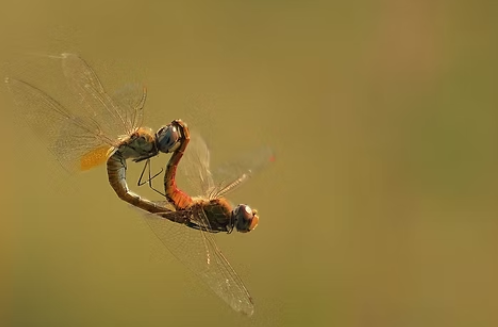
Macro photography of insects is a captivating way to explore the intricacies of nature. Observing how insects move can reveal hidden aspects of their behavior that are often missed by the naked eye. Capturing these movements not only enhances your photography skills but also deepens your appreciation for these fascinating creatures.
1. The Right Equipment for Macro Photography
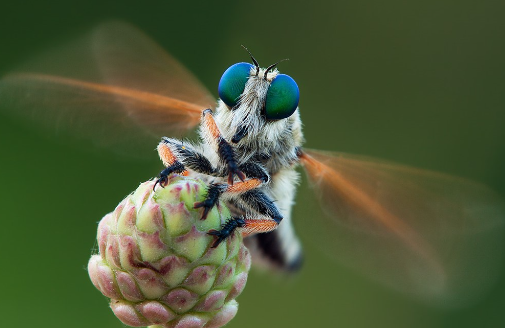
To effectively capture insect movements, having the right equipment is essential. A good macro lens allows you to get up close and personal with your subjects, offering clarity and detail. Lenses with a 90mm to 105mm range are particularly effective for insect photography, as they provide a comfortable working distance while still enabling striking detail in your shots.
In addition to a macro lens, consider investing in a sturdy tripod for stability, especially in low-light conditions. Tripods help reduce camera shake, which is crucial when working at high magnifications. A flash or external light source can also help illuminate your subjects and freeze their motion, capturing vibrant colors and details that would otherwise be lost.
-
- Choose a macro lens with appropriate focal length (90mm to 105mm recommended).
-
- Use a sturdy tripod to prevent camera shake.
-
- Consider an external flash or light source for optimal illumination.
-
- Use a remote shutter release to minimize vibration.
-
- Keep camera settings adjusted for macro photography, focusing on aperture and shutter speed.
2. Techniques for Capturing Insect Movements
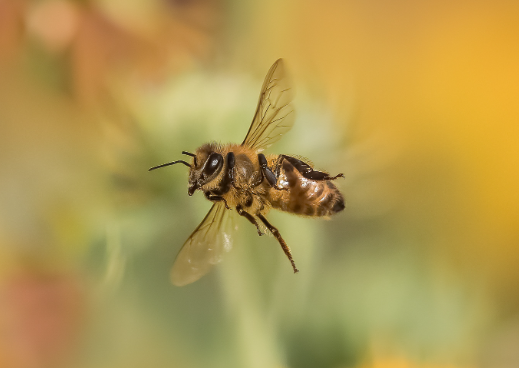
Understanding insect behavior is key to capturing their movements effectively. Spend time observing your subjects without the camera to learn their routines and habits. This will allow you to anticipate actions, such as a butterfly landing or a beetle foraging, increasing your chances of snapping the perfect shot.
Utilizing fast shutter speeds is critical for freezing the swift movements of insects. A shutter speed of at least 1/500 second will help capture even the most elusive actions, such as the rapid fluttering of wings. Additionally, practice burst shooting—a technique that allows you to take several frames in quick succession, giving you more options to select the ideal moment for your final photograph.
-
- Observe insects for a while before photographing them.
-
- Anticipate movements to predict when to take the shot.
-
- Utilize fast shutter speeds to freeze action (at least 1/500 sec).
-
- Practice burst shooting for capturing multiple frames in quick succession.
-
- Use continuous focus mode for moving subjects.
3. Post-Processing Techniques for Enhancing Your Shots
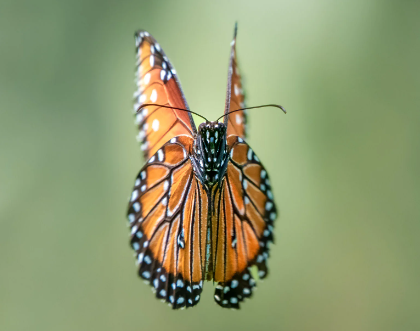
Once you’ve captured your insect movements, the work isn’t done. Post-processing can dramatically enhance your macro photographs, bringing out detail and color that adds depth to the final image. Using software like Adobe Lightroom or Photoshop, you can adjust exposure, contrast, and sharpness to highlight your subject effectively.
Another crucial post-processing step is cropping. Often, macro images may not fill the frame perfectly, and cropping allows you to focus on the subject, eliminating distracting elements in the background. It’s essential to keep the aspect ratio in mind to avoid a distorted final image, maintaining the integrity of your macro shot.
-
- Use post-processing software like Lightroom or Photoshop.
-
- Adjust exposure and contrast to enhance details.
-
- Crop your images to focus on the insect and eliminate distractions.
-
- Maintain the aspect ratio to keep the photo looking natural.
-
- Sharpen details without overdoing it to avoid noise.
Capturing insect movements in macro photography is both a challenging and rewarding experience. With the right techniques and tools, you can create stunning visuals that showcase the beauty of these creatures in their natural habitat. So grab your camera, head outside, and start exploring the world of macro photography!