
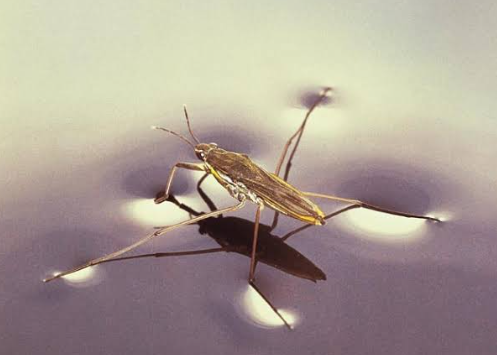
Photographing insects on water surfaces can be an exhilarating experience that blends the beauty of nature with the art of photography. With a bit of patience and the right techniques, you can capture stunning images of these miniature creatures in their natural habitat. Let’s dive into the world of insect photography on water and explore how to create captivating visuals.
1. Understanding Your Subject
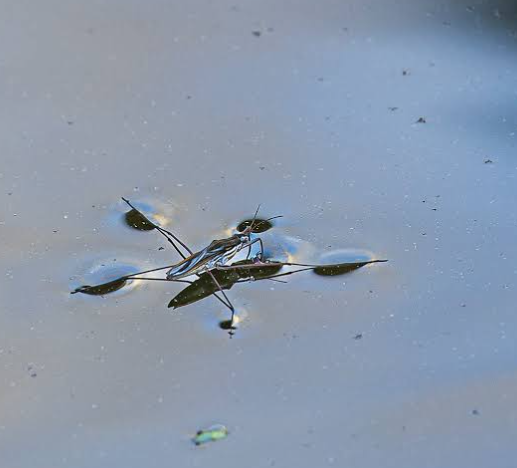
Before you head out with your camera, it’s essential to familiarize yourself with the insects you’re hoping to capture. Water surfaces are often home to a variety of insects, including dragonflies, damselflies, and various beetles. Each insect has its habits and behaviors; for instance, dragonflies are often seen hovering above water, while damselflies tend to rest on vegetation near the water’s edge. Understanding these traits can help you anticipate their movements and enhance your chances of capturing the perfect shot.
Additionally, knowing the best times to observe these insects can greatly increase your success rate. Early mornings or late afternoons often provide the most activity, and the softer light during these times can add a magical quality to your photos. Observing these insects while they interact with their environment will also give you unique perspectives that can enhance your composition.
-
- Research local insect species that inhabit watery areas.
-
- Learn about their behavior and preferred habitats.
-
- Visit sites during peak activity hours for better opportunities.
-
- Use field guides or apps to quickly identify insects.
2. Choosing the Right Gear
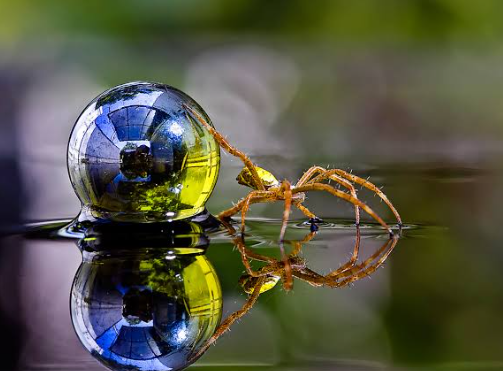
When it comes to photographing insects, your gear can significantly impact the outcome. A macro lens is often recommended as it allows you to capture intricate details. Lenses with a focal length between 60mm to 100mm are ideal for this purpose, enabling you to maintain distance while getting close-up shots. A tripod can also stabilize your camera, especially in low-light conditions, allowing for clearer images.
Don’t underestimate the importance of settings in your camera. Using a fast shutter speed can freeze the movement of insects, capturing them in sharp detail. Additionally, adjusting your aperture to a higher f-stop can increase the depth of field, helping to keep more of the scene in focus, which is crucial when dealing with fast-moving subjects. Experimenting with ISO settings can also help to adapt to varying light situations by balancing sensitivity and noise levels.
-
- Invest in a quality macro lens for detailed close-ups.
-
- Stabilize your shots with a sturdy tripod.
-
- Use fast shutter speeds to freeze insect movement.
-
- Experiment with aperture settings to enhance depth of field.
3. Mastering Composition and Lighting
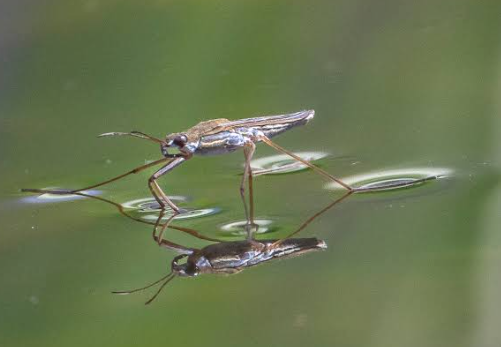
Effective composition can elevate your insect photographs from ordinary to extraordinary. Utilizing the rule of thirds can help create balance in your images, drawing the viewer’s eye to the insect while still showcasing its watery environment. Additionally, incorporating leading lines or reflections can add depth and interest to your composition. Taking a low angle can also dramatically change the perspective, making the insect appear larger and more engaging against the water’s surface.
Lighting plays a crucial role in photography, especially for subjects on reflective surfaces like water. Early morning or late afternoon light can create soft shadows and vibrant colors, enhancing the natural beauty of your insect photos. You can also try backlighting to create silhouettes or to highlight the translucent wings of insects like dragonflies. A polarizing filter can also help reduce glare from the water’s surface, allowing more details to come through in your images.
-
- Apply the rule of thirds for balanced compositions.
-
- Experiment with low angles for dramatic perspectives.
-
- Utilize reflections for depth and layering.
-
- Consider lighting conditions to optimize color and texture.
4. Practicing Patience and Observation
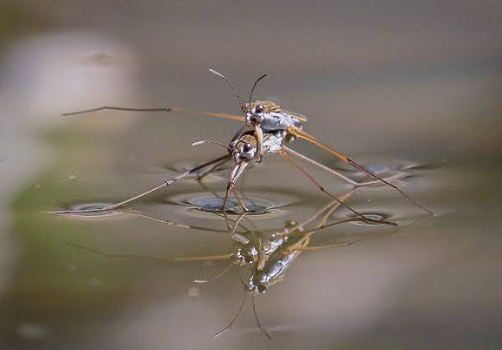
Photography is as much about patience as it is about skill. Insects can be unpredictable, often moving suddenly or flying away when disturbed. Taking the time to observe their habits can pay off significantly. Instead of rushing to take a shot, find a comfortable spot, and wait for the insects to act naturally. This might involve sitting still for a while as they become accustomed to your presence.
Also, don’t shy away from experimenting with different shooting techniques. For instance, try burst mode to capture several frames in quick succession, increasing your chances of getting that perfect moment. Additionally, you may find that taking multiple shots of the same insect can yield different results; slight adjustments in angle or lighting can dramatically change the final image.
-
- Practice patience when waiting for the right moment.
-
- Observe insects for patterns in their behavior.
-
- Use burst mode for capturing fast movements.
-
- Take multiple shots to explore different angles and compositions.
Photographing insects on water surfaces can be a fulfilling and beautiful experience. With the right understanding of your subjects, proper gear, thoughtful composition, and patience, you can create stunning images that showcase the intricate beauty of these tiny creatures. So grab your camera, head out to your favorite watery habitat, and start capturing the wonders of nature!