
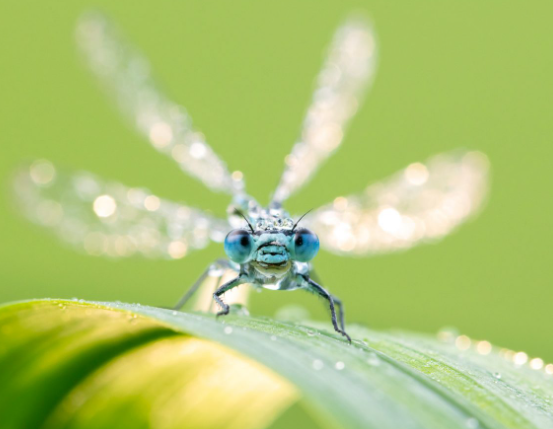
Macro photography of insects is a fascinating realm that invites both amateur and professional photographers to explore the intricate details of these tiny creatures. Not only does this art form showcase their beauty, but it also places them within the broader environmental context, revealing their roles in ecosystems. Understanding how to successfully capture these images can deepen our appreciation for nature and encourage conservation efforts.
1. Understanding Insect Behavior in Their Environment
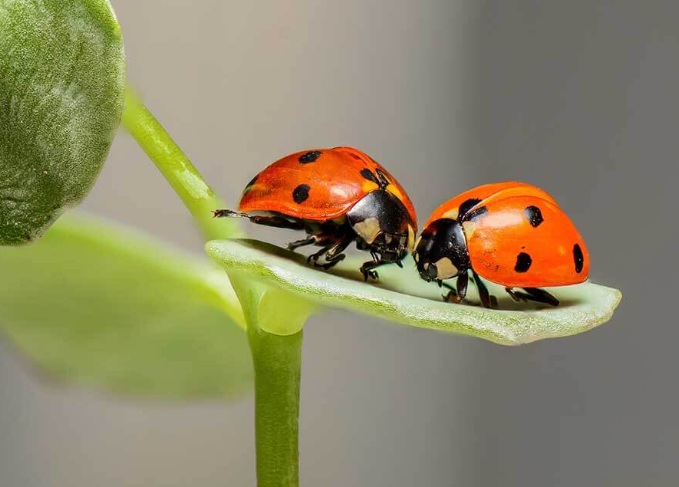
Before diving into macro photography, it’s critical to understand the behavior and habitats of the insects you wish to photograph. Various species have unique lifestyles and preferred environments, affecting when and how you can best capture them. For example, butterflies are drawn to blooming flowers during the day, while many beetles are more active at night, which influences your choice of time and location for shooting.
Additionally, each insect interacts with its environment in distinct ways. By observing how insects feed, reproduce, or evade predators, photographers can anticipate where they might be and at what time. For instance, ladybugs are often spotted on aphid-infested plants, which could serve as ideal locations for photographing both the ladybugs and their environment. Understanding these aspects enriches the storytelling aspect of your photographs.
-
- Research insect species prior to your shoot.
-
- Observe their behavior at different times of day.
-
- Identify preferred habitats for various insects.
-
- Take notes on environmental factors, like weather and light.
-
- Be patient and stay quiet to avoid scaring them away.
2. Equipment Essentials for Macro Photography
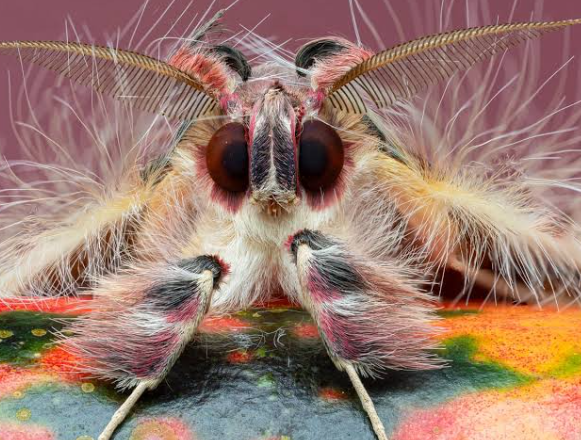
Investing in the right equipment is vital for capturing stunning macro photographs. While professional photographers often use specialized macro lenses, beginners can start with extension tubes or close-up filters for their existing lenses. These tools allow you to achieve a closer focus on your subjects without needing a wholly new lens.
Additionally, using a tripod can vastly improve stability, particularly in low-light situations. Lighting is another critical factor; natural light can be beautiful, but it can often lead to harsh shadows. Consider using a diffuser or a ring flash for better illumination, which helps highlight the intricate details of the insects without overwhelming contrasts.
-
- Choose a macro lens or use extension tubes.
-
- Utilize a sturdy tripod for stability.
-
- Experiment with various lighting sources.
-
- Consider using diffusers to soften bright light.
-
- Keep your equipment clean for the best image quality.
3. Composition and Environmental Context
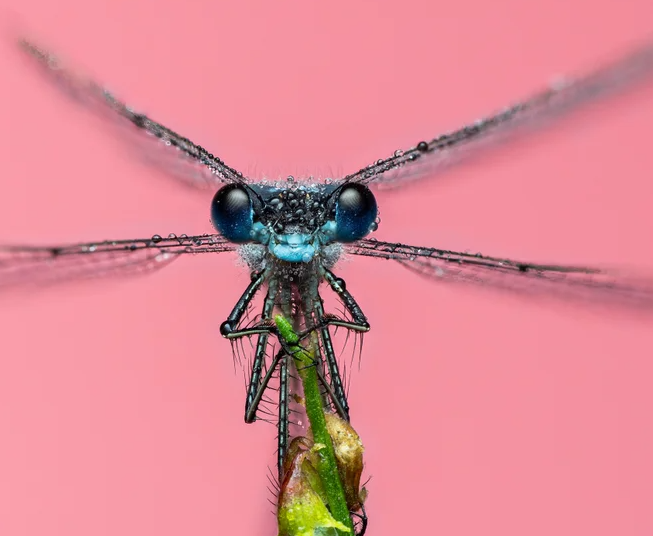
A good photograph tells a story, and including environmental context enhances the narrative of your macro images. Instead of focusing solely on the insect, incorporate its habitat into the composition. For example, a close-up of a honeybee on a flower pollinating can provide insight into the vital ecosystem services it offers, emphasizing the interconnectedness of life.
Furthermore, the use of depth of field can help guide the viewer’s attention. A shallow depth of field can isolate the insect from its background, providing clarity and focus. Alternatively, a deeper depth of field can showcase the entire scene, including the flora or other fauna that coexist with your subject. This approach can foster a greater understanding of the insect’s role in its environment.
-
- Incorporate elements of the insect’s habitat into your shots.
-
- Experiment with depth of field to emphasize either the subject or the environment.
-
- Follow the rule of thirds for more dynamic compositions.
-
- Look for leading lines that guide the eye toward your subject.
-
- Capture moments that showcase interactions within the ecosystem.
4. The Impact of Weather and Time on Macro Photography
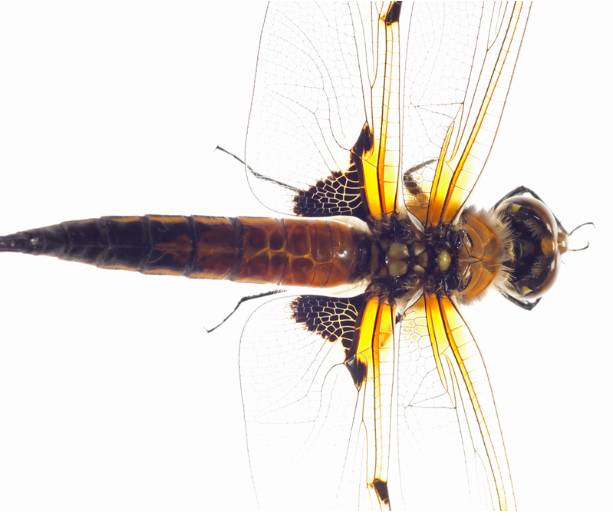
Insects are heavily influenced by weather conditions, which directly affects when and how active they are. For instance, after rain, many insects may be found on foliage, either drying off or feeding. Overcast days can provide softer light, reducing harsh shadows and making it easier to capture intricate details without causing glare.
The time of day also plays a significant role; early mornings can yield dew-covered insects, providing a magical and ethereal quality to your photographs. Conversely, late afternoons can create golden hour lighting, enriching colors and enhancing textures. By strategically planning your shoots based on weather and time, you can optimize your chances of capturing breathtaking macro shots.
-
- Check the weather forecast for optimal shooting conditions.
-
- Utilize early mornings or late afternoons for softer light.
-
- Monitor insect activity after rainfall for unique opportunities.
-
- Keep an eye on temperature, as it can affect insect behavior.
-
- Be prepared to change plans based on sudden weather shifts.
5. Sharing Your Work and Advocating for Conservation
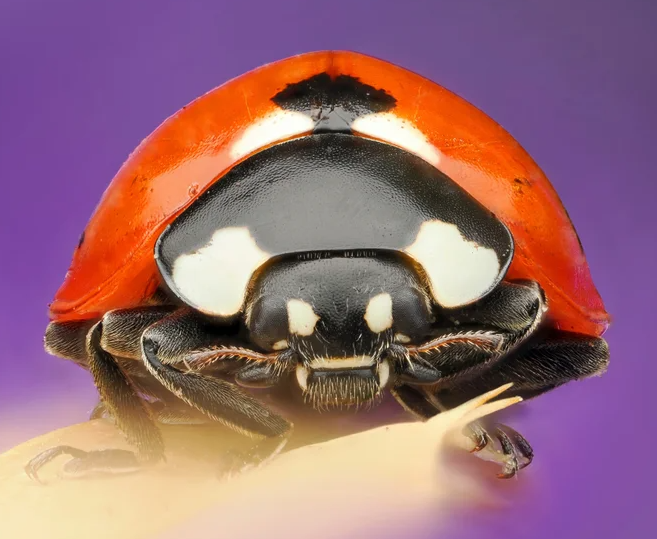
Once you’ve captured stunning macro photographs, it’s essential to share your work and raise awareness about the importance of insects in our ecosystems. Social media platforms like Instagram or photography-focused sites are excellent venues for showcasing your images. By connecting with fellow enthusiasts or conservation groups, you not only gain recognition but also promote awareness of the vital roles these often-overlooked creatures play in our environment.
Consider writing captions that educate viewers on the ecological roles of the insects you photograph. For instance, demonstrating how pollinators contribute to food systems can foster a deeper appreciation for their conservation. By advocating for insect habitats and discussing their importance, you contribute to greater ecological awareness that can inspire action.
-
- Utilize social media to share your macro photography.
-
- Write informative captions to educate your audience.
-
- Join local conservation groups or online communities.
-
- Encourage others to appreciate and protect insect habitats.
-
- Participate in exhibitions or workshops to showcase your work.
In conclusion, macro photography of insects offers a window into the intricate world of these small yet vital creatures, providing insights into their behaviors and habitats. By understanding their environmental context and sharing your findings, you not only enhance your photography skills but also play a role in advocating for these essential contributors to our ecosystems. So grab your camera, get outside, and start exploring the fascinating world of insects today!