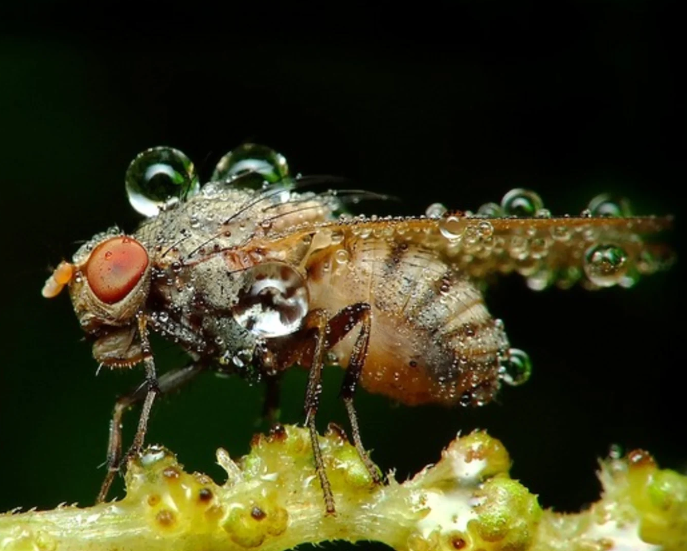
Macro photography opens a window into the enchanting world of insects, revealing details that often go unnoticed. When combined with the delicate beauty of dew droplets, the results are breathtaking images that showcase nature’s artistry. In this post, we will explore the techniques, settings, and best practices for capturing stunning close-up macro photography of insects adorned with dewdrops.
1. Understanding Macro Photography Basics
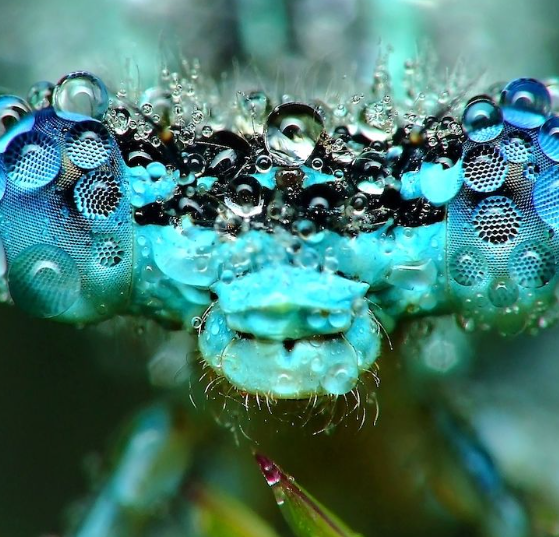
Macro photography involves shooting subjects at extremely close quarters, typically at a 1:1 ratio or greater. For insect photography, this means getting close enough to capture the minutiae of the insect’s anatomy—like the texture of its wings or the compound structure of its eyes. Understanding the basics of focus, lighting, and composition is crucial, as even the smallest details can make or break your shot.
Before you start photographing, familiarize yourself with your equipment. A dedicated macro lens can magnify your subject effectively, while extension tubes can be used with regular lenses to improve magnification. Remember that stability is essential; consider using a tripod or a sturdy surface to keep your camera steady, which will minimize blur and improve image clarity.
-
- Practice with different lenses to find what works best for you.
-
- Always focus on the eyes of the insect for sharpness.
-
- Experiment with natural light and settings for softer contrasts.
-
- Work on your stability to prevent camera shake.
2. Finding Your Subjects and Ideal Conditions
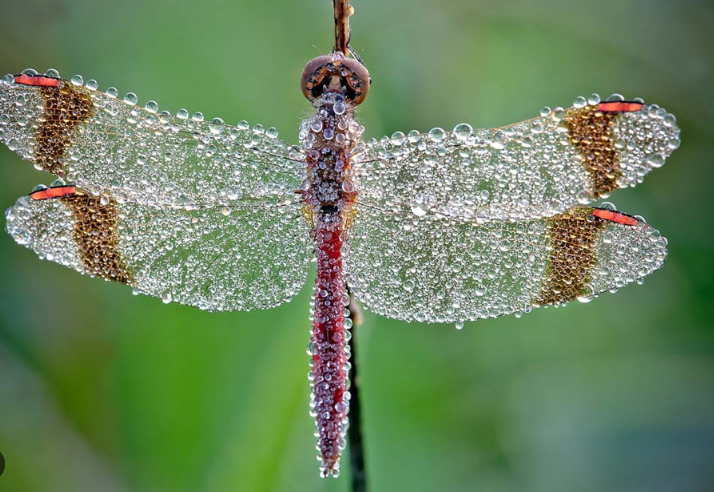
Insects can be found in various environments, from gardens to forests. Early mornings are particularly favorable for macro photography, as dew settles on insects at this time, creating visually stunning reflections. Furthermore, cooler temperatures make insects less active, allowing you to get closer without disturbing them.
Choose a variety of locations—preferably those with flowering plants or water sources, as they attract a diverse range of insects. Pay attention to the time of year and the specific species you want to capture. Certain insects are more abundant in specific seasons, so research in advance can save you valuable time.
-
- Visit gardens, parks, or nature reserves early in the morning.
-
- Look for flowers, water sources, or shaded areas where insects congregate.
-
- Use insect identification apps to discover species in your area.
-
- Always have a notebook or smartphone for logging observations and locations.
3. Utilizing Light and Composition for Stunning Shots
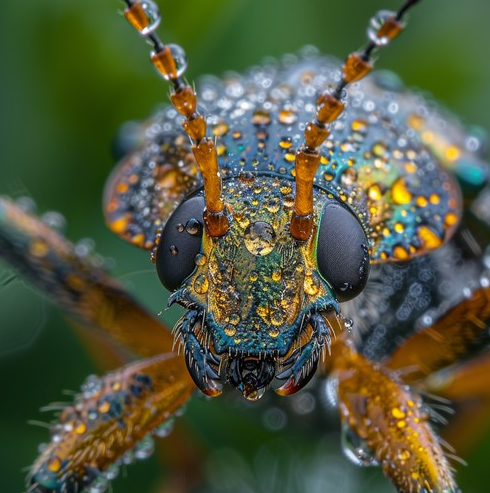
Lighting is one of the most critical components in macro photography. Natural light is often the most flattering for insects and can enhance the sparkling effect of dew. Positioning your subject with the light behind them can create interesting backlighting, emphasizing the dew reflections and adding depth to your images.
Composition is equally important when framing your shots. Use techniques like the rule of thirds to create balance, and try to fill the frame with your subject for a more impactful image. Experiment with different angles—photographing from slightly below or above can reveal unique perspectives that capture the essence of your subject.
-
- Utilize early morning light for softer, warmer tones.
-
- Experiment with angles to find the most captivating composition.
-
- Consider using a reflector to bounce light onto your subject.
-
- Avoid overexposing the image by adjusting your camera settings accordingly.
4. The Art of Patience and Observation
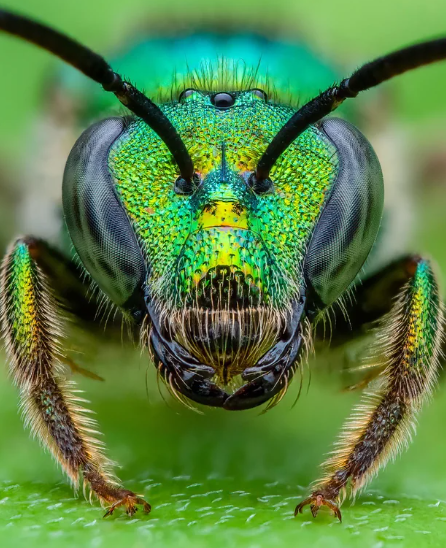
Macro photography is not just about technical skills; it also requires patience and keen observation. Insects are often unpredictable and can move at any moment. Practicing patience while observing your subject can lead to unexpectedly beautiful shots. Take the time to understand the behavior of different insects—some will be more active than others, influencing how you approach your photographing session.
Approach slowly and minimize noise, as insects can be startled easily. Consider sitting quietly for a few moments to allow them to return to their natural state. Be prepared for unexpected moments, as you might capture a unique interaction or behavior that makes your photo stand out.
-
- Take your time; rush will often lead to missed opportunities.
-
- Observe your subject’s behavior before attempting to take a shot.
-
- Give insects time to acclimate to your presence.
-
- Be flexible and ready for spontaneous moments.
Close-up macro photography of insects, especially with dew reflections, is an immersive experience that deepens your appreciation for the natural world. With practice and attention to detail, you can create stunning images that tell a story and offer a glimpse into the intricate beauty of life. Now, equip yourself with these tips and venture out to capture your own captivating shots of nature!