
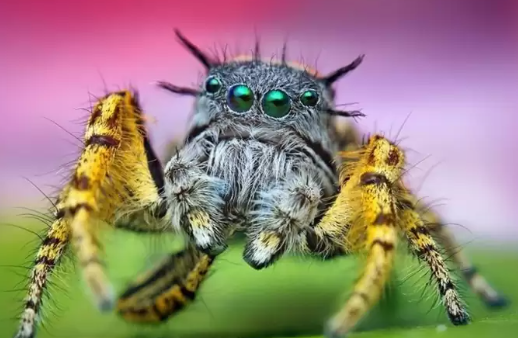
Macro photography of insects is a fascinating field that reveals the intricate beauty of these tiny creatures. With the right techniques and a focus on color contrast, you can elevate your photography and create stunning images that captivate viewers.
1. The Importance of Color Contrast in Macro Photography
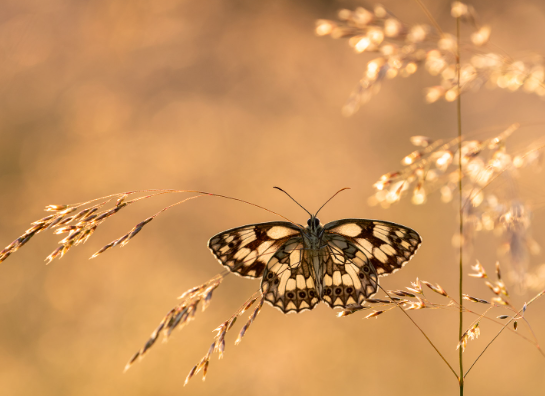
Color contrast is crucial in macro photography as it helps to highlight the intricate features of insects. By using contrasting colors, photographers can draw attention to specific details, making the subject stand out against its background. For instance, a brightly colored butterfly perched on a dull green leaf will create a striking visual that captures the viewer’s attention.
Additionally, color contrast not only enhances the aesthetic appeal of the photograph but also facilitates storytelling. A close-up shot of a bee gathering nectar from a vibrant flower can evoke emotions linked to nature, helping viewers connect with the image on a deeper level. The interplay of colors can illustrate the relationships within ecosystems, showcasing the delicate balance in nature.
-
- Choose a subject that has distinctive colors.
-
- Look for backgrounds that complement or contrast with your subject.
-
- Use post-processing software to enhance color contrasts.
-
- Experiment with different lighting conditions to see how it affects the colors.
-
- Consider using a color wheel to find contrasting hues.
2. Techniques for Capturing Stunning Macro Images
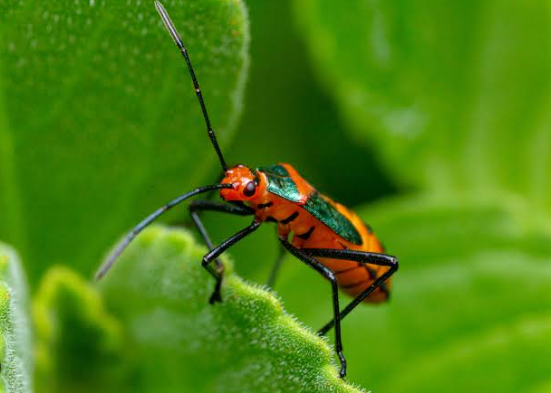
To achieve breathtaking macro images, it’s essential to use the right equipment and techniques. A dedicated macro lens will allow you to capture detailed images from very close distances. Additionally, employing a tripod is beneficial to avoid camera shake and ensure sharpness in your images. If you can’t access a macro lens, extension tubes can be a more affordable option.
Lighting also plays a significant role in macro photography. Natural light is often the best choice, but using diffusers can help to soften harsh shadows. Alternatively, ring flashes are effective for illuminating the subject while minimizing distracting background elements. Understanding how to manipulate light will enhance the color contrast significantly, revealing the fantastic details in your subject’s anatomy.
-
- Invest in a dedicated macro lens or extension tubes.
-
- Use a tripod to prevent shake for clear images.
-
- Experiment with natural light and consider using diffusers.
-
- Try out ring flashes for even illumination.
-
- Focus on the eyes of the insect for a compelling composition.
3. Post-Processing Techniques to Enhance Color Contrast
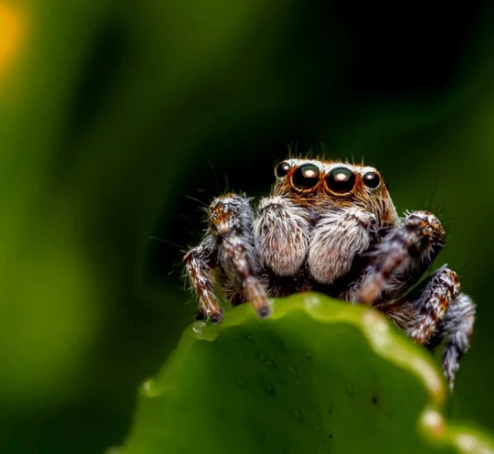
Once you have captured your macro images, post-processing is essential to bring out the colors and details. Software like Adobe Lightroom or Photoshop can be invaluable in enhancing color vibrancy and contrast. Adjusting the saturation, vibrance, and contrast sliders can make your subject pop, creating a more captivating final image.
Another useful technique in post-processing is selective color adjustment. This involves isolating specific colors in your image to make them more pronounced. For example, you could increase the blues and yellows in a butterfly while keeping the greens muted, thus drawing the viewer’s eye directly to the insect. Remember to maintain a balance; over-editing can lead to unnatural appearances, so aim for enhancement rather than total transformation.
-
- Use software like Lightroom or Photoshop for adjustments.
-
- Experiment with sliders for saturation, vibrance, and contrast.
-
- Try selective color adjustments to highlight certain tones.
-
- Keep an eye on shadows and highlights for a balanced look.
-
- Compare before and after images to gauge improvements.
4. Ethical Considerations in Macro Photography of Insects
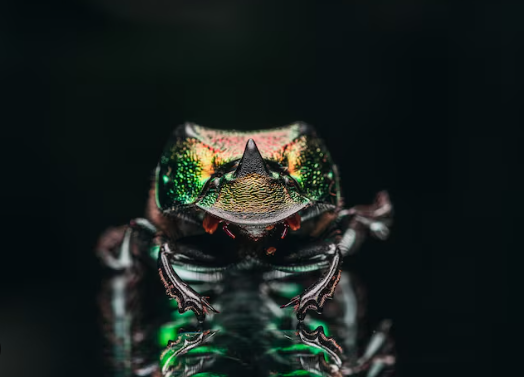
When engaging in macro photography, it’s important to remember the ethical implications of your work. Approach insect subjects with care and respect for their habitats. Disturbing their natural environment not only harms the ecosystem but can also affect the quality of your images, as stressed insects may not behave normally.
Furthermore, consider the impact of using chemicals or artificial setups that may pose risks to the insects or their surroundings. Always prioritize minimal disturbance and aim to capture images that reflect the beauty and wonder of nature without compromising it. Passionate photographers can inspire others by sharing images that promote awareness of the delicate balance within ecosystems.
-
- Always respect the habitats of your subjects.
-
- Minimize disruption during your sessions.
-
- Avoid using harmful chemicals or practices.
-
- Educate others about the ecosystems you photograph.
-
- Share images ethically to promote awareness.
In conclusion, macro photography of insects with a focus on color contrast offers immense creative potential. By employing the right techniques and ethical considerations, you can produce captivating images that celebrate the intricate beauty of these small creatures. So grab your camera, experiment with light and color, and discover the extraordinary world of macro photography!