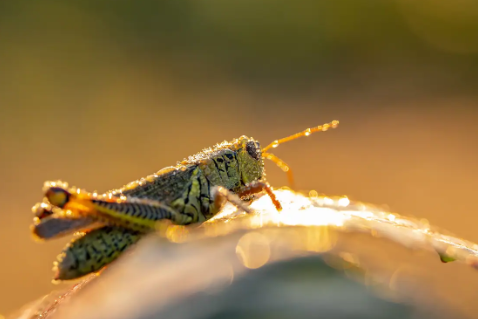
Macro photography offers a fascinating glimpse into the tiny worlds that exist all around us, particularly when it comes to insects. Capturing close-up shots of these creatures in natural light not only showcases their intricate features but also allows us to appreciate the beauty and complexity of nature in its raw form.
1. The Art of Macro Photography
Macro photography requires a specific set of skills and techniques to effectively capture details that are often overlooked by the naked eye. Focus is crucial; a shallow depth of field can emphasize the intricate textures of an insect’s wings or the fine hairs on its body. Using a tripod can help stabilize the camera, reducing the chances of blur, especially since macro shots often require longer exposure times to get the necessary light.
Lighting plays a pivotal role in macro photography. Natural light is often the best choice as it brings out the vibrant colors and subtle details inherent in insects. Early morning or late afternoon is ideal, as the light is softer and can reduce harsh shadows, creating a more flattering composition. Even overcast days can offer diffused light that minimizes glare.
-
- Use a tripod to keep the camera steady.
-
- Choose natural light during golden hours for best results.
-
- Experiment with different apertures to control depth of field.
-
- Always check your focus before snapping the photo.
-
- Consider using a diffuser to soften harsh light.
2. Choosing the Right Equipment
Investing in the right equipment is vital for successful macro photography. While professional-grade gear can certainly aid in the process, you don’t need to break the bank. A macro lens is the most important piece of equipment, as it allows you to get up close to your subject without losing clarity. For those on a budget, extension tubes can be a viable alternative, letting you use a standard lens to achieve macro effects.
A good quality camera body also matters, especially one that performs well in low light conditions. Moreover, consider a ring light or flash to illuminate your subject without casting unwanted shadows. This equipment allows for more versatility, especially if you’re shooting in less-than-ideal lighting situations.
-
- Invest in a macro lens specific for close-up shots.
-
- Consider extension tubes if a macro lens is out of your budget.
-
- Use a sturdy tripod to minimize camera shake.
-
- Consider portable lighting options for low-light conditions.
-
- Regularly clean your camera and lenses to avoid dust spots.
3. Finding Your Subjects
One of the greatest joys of macro photography is the quest for beautiful subjects, and insects are everywhere if you know where to look. Gardens, forests, and even urban areas can be rich with potential. Spend time observing plants and flowers, as these are often hotspots for insects. Taking the time to study where these creatures frequent will increase your chances of capturing the perfect shot.
Time of day also affects insect visibility. Many insects are most active during early morning or late afternoon, so plan your trips accordingly. However, always remember to approach your subjects slowly and quietly to avoid startling them, which could lead to missed opportunities.
-
- Start in your own backyard or local park to find insects.
-
- Observe plants and flowers for high insect activity.
-
- Spend time quietly near potential subjects to avoid scaring them away.
-
- Keep notes on which times and locations yield the most success.
-
- Be patient; good photography often requires waiting for the right moment.
4. Composition and Framing
Composition can greatly affect the impact of your macro photography. Utilizing the rule of thirds can add dynamism to your images. Instead of centering your subject, place it slightly off-center to create balance and draw the viewer’s eye naturally across the photograph. Additionally, consider how backgrounds can complement or detract from your subject; a busy background can take away from the insect, whereas a simple one will enhance it.
Experiment with angles and perspectives. Don’t hesitate to shoot from below or above your subject, as this can lead to unique viewpoints and compositions. Capturing the insect in its natural habitat—perhaps perched on a leaf or flower—can provide context and depth to your shots, making them more engaging for viewers.
-
- Utilize the rule of thirds for balanced compositions.
-
- Explore different angles to find unique perspectives.
-
- Keep backgrounds simple to avoid distractions.
-
- Incorporate elements of the insect’s natural habitat for context.
-
- Take multiple shots to ensure you get the perfect frame.
Close-up macro shots of insects in natural light can open up a whole new world of creativity and exploration. Whether you’re a seasoned photographer or just starting, the joy of capturing nature’s tiniest wonders is only a camera click away. So grab your gear, venture outdoors, and begin your journey into the fascinating world of macro photography!