
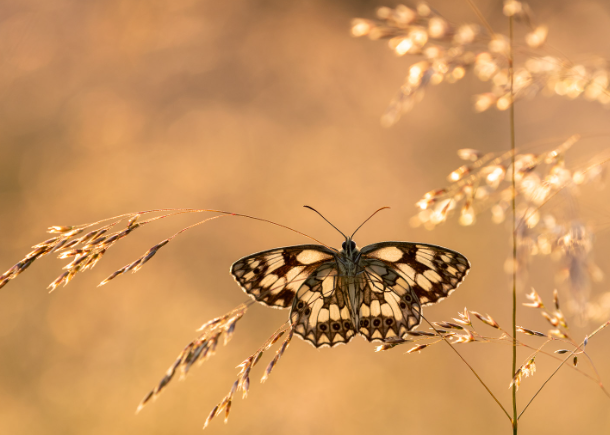
Macro photography of insects is a fascinating journey into a hidden world, revealing intricate details and vibrant colors that the naked eye often overlooks. With the right techniques, you can create stunning images that highlight the beauty of these tiny creatures and their natural habitats.
1. Choosing the Right Equipment
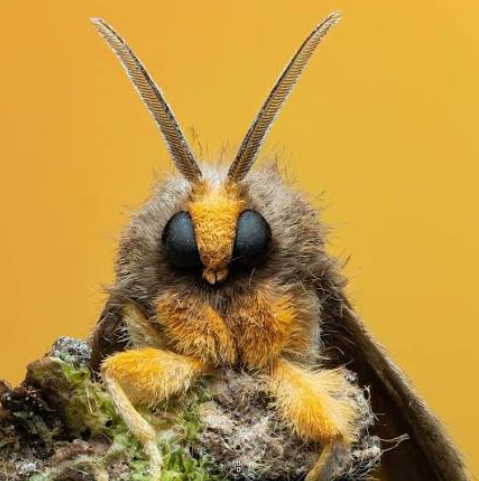
To capture breathtaking macro photographs of insects, selecting the right equipment is crucial. A dedicated macro lens, often with a focal length of 100mm, allows for close-up shots while maintaining sharpness and depth. Additionally, a sturdy tripod can significantly stabilize your camera, preventing any unwanted blurriness from shaky hands that can ruin an otherwise perfect shot.
Insects can be skittish, so using a good camera with a fast autofocus system can help you quickly focus on your subject. Some photographers also prefer using extension tubes, which can be attached to your existing lens, enabling you to achieve a closer focus distance without investing in a macro lens. Furthermore, a ring flash or external light source can create beautiful highlights and minimize shadows.
-
- Invest in a dedicated macro lens for best results.
-
- Use a tripod for stable shots.
-
- Select a camera with fast autofocus capabilities.
-
- Consider extension tubes to boost your existing lens.
-
- Explore external lighting options like a ring flash.
2. Understanding Lighting Techniques
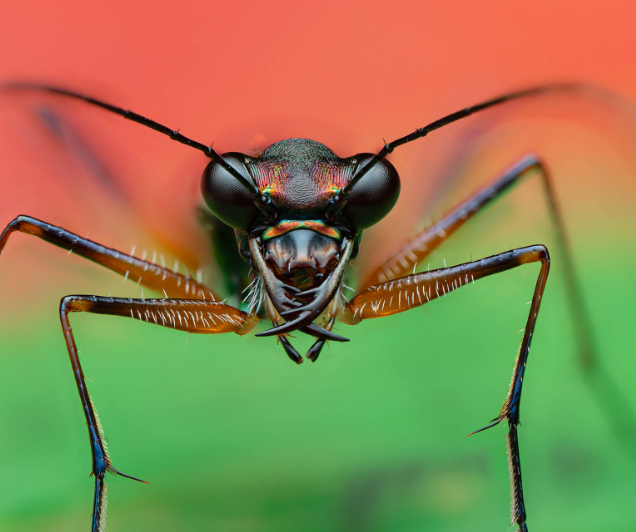
Natural highlights are vital for bringing out details in macro photography. Soft, diffused light usually works best, as it reduces harsh shadows around intricate insect features. Early mornings or late afternoons provide ideal lighting conditions, as the sun is lower in the sky, creating a soft glow that enhances textures and colors.
Experimenting with backlighting can also yield stunning results. Placing your subject between the light source and your camera can accentuate translucent wings or body parts, providing a striking contrast against a blurred background. Using reflectors or diffusers can help you control light intensity and direction, allowing for creative play with textures and shadows.
-
- Shoot during golden hours for softer light.
-
- Experiment with backlighting for dramatic effects.
-
- Use reflectors to bounce light for even illumination.
-
- Incorporate diffusers to reduce harsh shadows.
-
- Adjust your camera settings to capture light effectively.
3. Mastering Composition Techniques
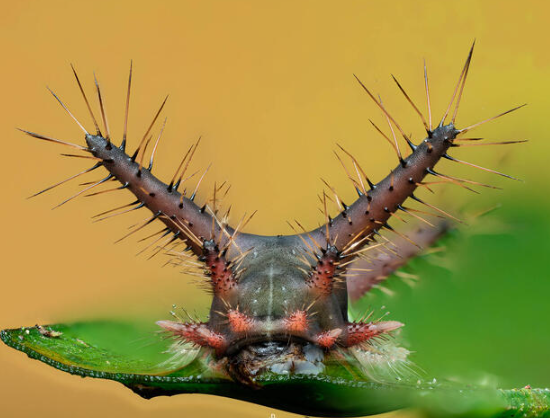
Composition can make or break your macro photographs. The rule of thirds is a great guideline to follow; placing your subject off-center can lead to a more engaging photo. However, don’t be afraid to explore different angles and perspectives. Getting close to your subject can amplify details and provide an immersive experience for viewers.
Utilizing the environment can enhance your compositions. Consider using flowers, leaves, or other natural elements in your photographs to create a context for your insects. These elements not only provide a sense of place but can also add color and texture to your images. Don’t ignore the background; a blurred or complementary backdrop can make your subject stand out even more.
-
- Apply the rule of thirds for balanced composition.
-
- Try different angles for unique perspectives.
-
- Incorporate natural elements to provide context.
-
- Pay attention to your background to enhance your subject.
-
- Experiment with varying depths of field.
4. Patience and Observation
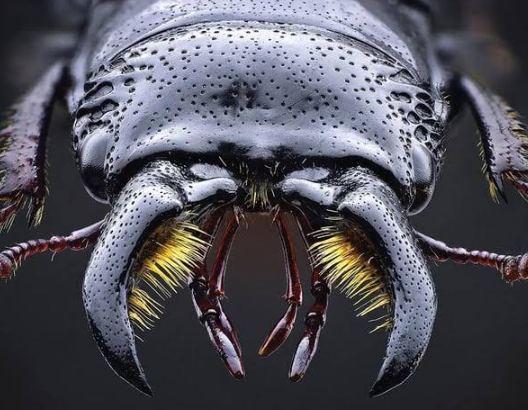
Macro photography requires a great deal of patience and keen observation skills. Insects can be unpredictable, so it’s vital to be quiet and still. Observing their behavior can provide insights on when they are most active, allowing you to time your shots more effectively. Sometimes, merely waiting for the right moment can lead to unexpected yet rewarding captures.
It’s essential to be kind to your subjects as well; handling insects can lead to injury and stress. Consider working in a controlled environment, such as a flower garden or a designated area of your backyard. This way, you can develop a rapport with your subjects, leading to more natural and relaxed poses perfect for photography.
-
- Practice patience while awaiting the right shot.
-
- Observe insects to understand their behavior.
-
- Work in controlled environments for steady subjects.
-
- Be gentle and minimize handling of insects.
-
- Stay calm and quiet to avoid scaring them away.
In conclusion, macro photography of insects can reveal an astonishing world filled with beauty and complexity. By choosing the right equipment, mastering lighting techniques, focusing on composition, and exercising patience, you can capture stunning images that tell a story. Don’t hesitate to experiment, and enjoy your journey into this captivating realm!