
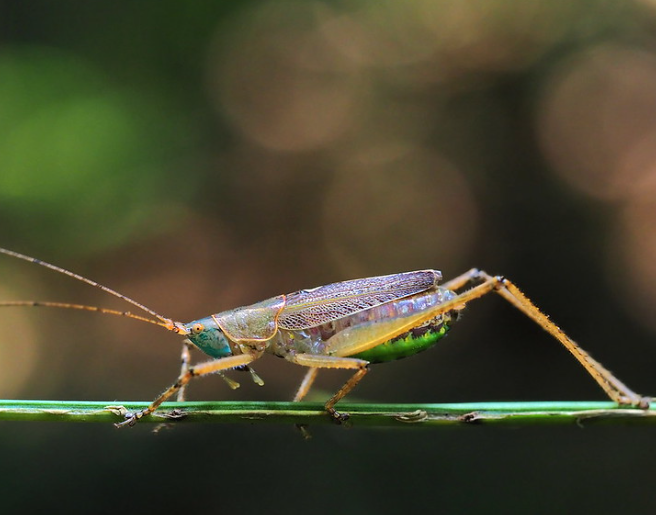
Macro photography of insects, especially those with reflective surfaces, can reveal stunning details and intricate patterns that are often overlooked. This specialized field combines both artistic expression and scientific observation, leading to beautiful images and deeper understanding. In this blog, we’ll explore techniques and best practices for capturing these tiny wonders.
1. Understanding Reflective Surfaces
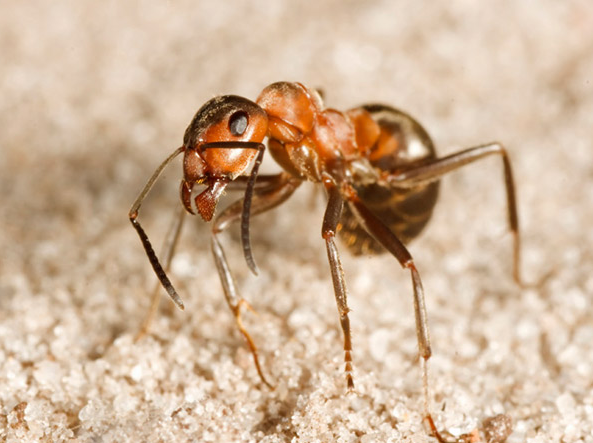
Insects present a variety of reflective surfaces that range from glossy exoskeletons to iridescent wings. These features can produce unexpected effects in macro photography. For example, the outer layer of a beetle may capture light differently than a butterfly wing, creating captivating visual dynamics in your photographs. Understanding these differences is essential in planning your shots to highlight these unique characteristics.
When photographing insects with reflective surfaces, it’s crucial to consider the quality and direction of light. Natural sunlight can create harsh reflections, while diffused or indirect light may provide a more even illumination, reducing glare. Using a lens hood or a polarizing filter can also help to manage reflections and enhance color saturation. By experimenting with different lighting, you’ll discover how to best showcase an insect’s reflective qualities.
-
- Research various insects to understand their reflective surfaces.
-
- Experiment with different light sources for varied results.
-
- Consider using diffusers to manage harsh light.
-
- Use a polarizing filter to reduce glare and enhance colors.
2. Essential Gear for Macro Photography
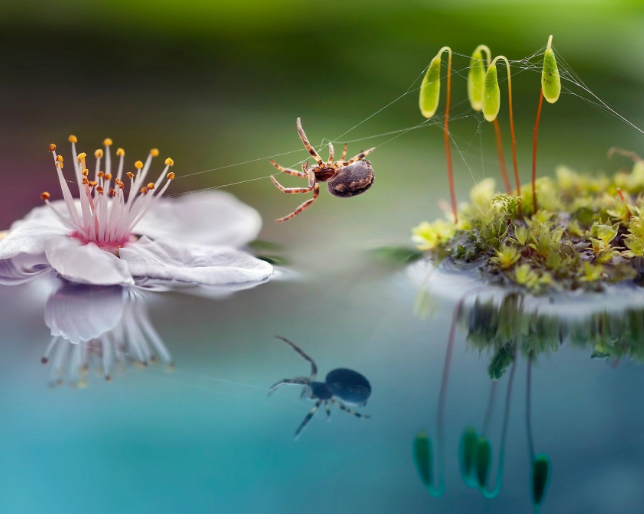
Macro photography requires specific equipment to effectively capture the minute details of insects. A dedicated macro lens offers the necessary magnification and sharpness required for close-up shots. Alternatively, extension tubes can be used with standard lenses to achieve greater magnification, making quality macro photography more affordable and accessible.
In addition to a suitable lens, tripods can provide stability at close distances, reducing camera shake that might distort your images. A good quality flash can also be invaluable in illuminating details that might otherwise remain hidden. To level up your equipment, consider using a ring light for consistent, even lighting on reflective surfaces.
-
- Invest in a macro lens or extension tubes.
-
- Utilize a sturdy tripod for stability.
-
- Incorporate a camera flash or ring light for better lighting.
-
- Carry a remote shutter release to minimize shake.
3. Techniques for Capturing Images
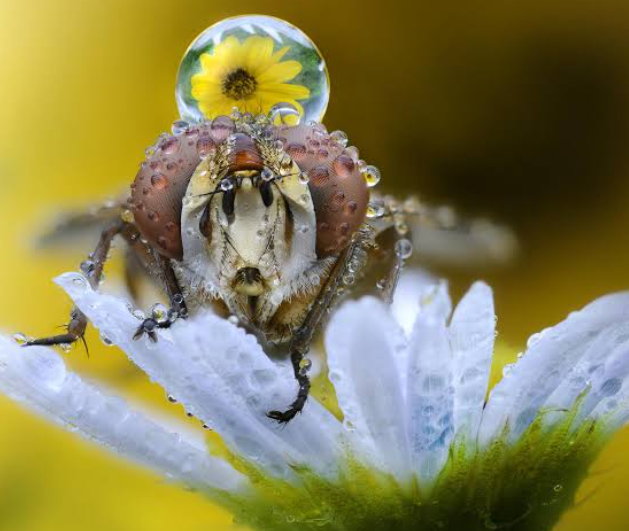
The approach you take in capturing macro photographs can significantly affect the outcomes. Start by setting up your composition carefully, paying attention to the insect’s position in relation to the light source. Angles matter—shooting from different perspectives can reveal new details, allowing viewers to appreciate the insect’s beauty from multiple viewpoints.
Moreover, focus stacking can be applied to ensure that the entire subject remains sharp, especially if you’re working at ultra-close distances where Depth of Field (DoF) is incredibly shallow. This technique involves capturing several images at different focus points and then merging them in post-processing. This results in enhanced sharpness and clarity that brings reflective details to life.
-
- Experiment with different angles for varied perspectives.
-
- Use focus stacking to enhance depth and sharpness.
-
- Pay attention to composition and framing.
-
- Keep a steady hand or use stabilization features in your camera.
4. Post-Processing for Enhancement
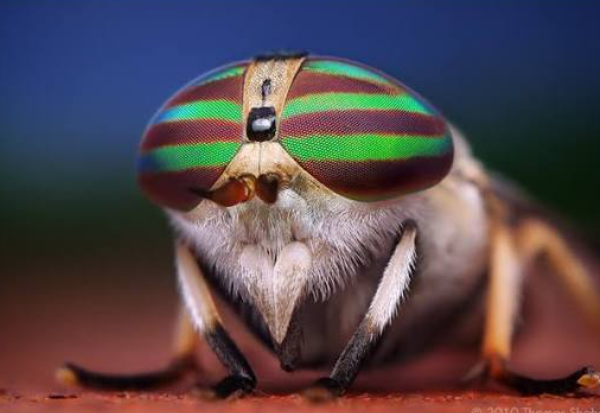
Once you’ve captured your images, post-processing is essential to enhance the final output. Software like Adobe Lightroom or Photoshop can be used to adjust exposure, contrast, and saturation that will make reflective surfaces pop. Remember that subtlety is key; you want to enhance the natural beauty without overdoing the edits.
Additionally, sharpening specific areas in your image can highlight the intricate details on reflective surfaces. By selectively enhancing textures and patterns, you can draw viewers’ eyes to the most captivating aspects of your photographs. Don’t forget to remove any distractions or blemishes that can detract from the overall impact of the image.
-
- Use Lightroom or Photoshop for basic editing.
-
- Adjust exposure, contrast, and colors to enhance details.
-
- Be subtle; avoid over-editing your photos.
-
- Selectively sharpen areas of interest for emphasis.
Macro photography of insects with reflective surfaces can be an exhilarating experience that combines precision, artistry, and exploration. By understanding the unique qualities of these creatures, equipping yourself with the right tools, applying effective techniques, and elaborating through post-processing, you can produce stunning images that showcase nature’s incredible artistry. So grab your camera, get outdoors, and start capturing the wonders of the microscopic world!