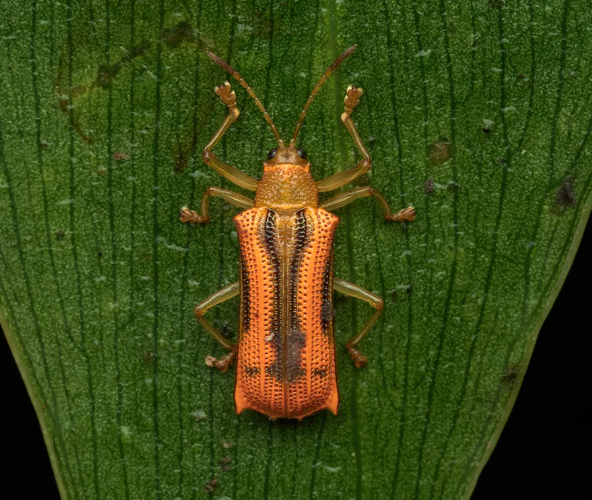
Macro photography allows us to capture the intricate details of the natural world, and insects provide some of the most fascinating subjects. By zooming in on their surfaces, we can appreciate the extraordinary textures and structures often overlooked by the naked eye.
1. Understanding Macro Photography
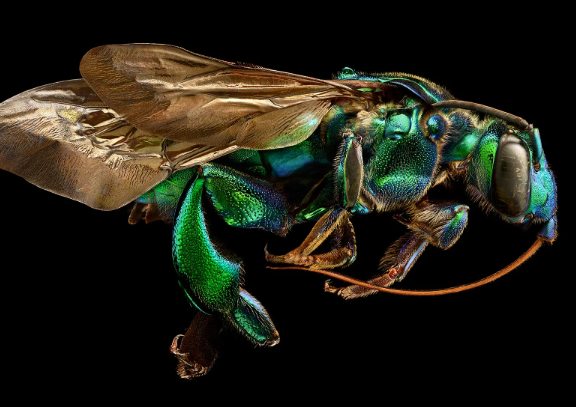
Macro photography focuses on capturing small subjects in extreme detail. This technique typically involves a magnification ratio of 1:1 or greater, meaning the subject appears life-sized or larger on the camera sensor. For insect photography, an understanding of your equipment is crucial to achieving high-quality images. High-quality macro lenses or extension tubes are often essential to get that close-up shot.
Beyond just equipment, mastering light, composition, and depth of field is vital. Natural light can create beautiful effects, but it may require a diffuser to soften harsh shadows. Alternatively, using external flash can help to highlight textures more effectively. It’s vital also to experiment with different angles and focus points to reveal the intricate details of an insect’s surface textures.
-
- Invest in a good macro lens (100mm is a popular choice).
-
- Utilize a tripod to keep the camera steady.
-
- Practice with natural light but also explore diffused flash techniques.
-
- Experiment with different focus points to see what highlights textures best.
-
- Take your time and be patient; insects can be unpredictable subjects.
2. The Beauty of Insect Textures
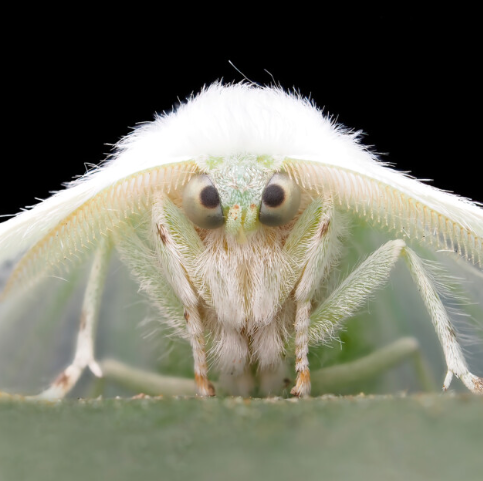
Insects possess some of the most complex and beautiful textures in the animal kingdom. Their exoskeletons, covered in tiny hairs, scales, or unique surface patterns, can reflect light in stunning ways. Some insects, like dragonflies, display iridescent qualities that can be particularly captivating under macro lenses. These textures tell a story about the insect’s habitat, defense mechanisms, and evolutionary adaptations.
When focusing on textures, consider the role they play in the insect’s survival. For example, the leathery wings of a moth can feel coarse to the touch, providing camouflage against predators. Macro photography can therefore reveal not just the beauty, but also the function of these features, emphasizing how nature has engineered these creatures for specific environments and lifestyles.
-
- Look for insects in various environments; each may reveal different textures.
-
- Get close to your subject to better capture surface details.
-
- Use a macro lens with a good aperture for sharp focus on textures.
-
- Consider using backlighting to emphasize the surface details.
-
- Research the insects you wish to photograph to understand their adaptations.
3. Techniques for Capturing Macro Insect Photography
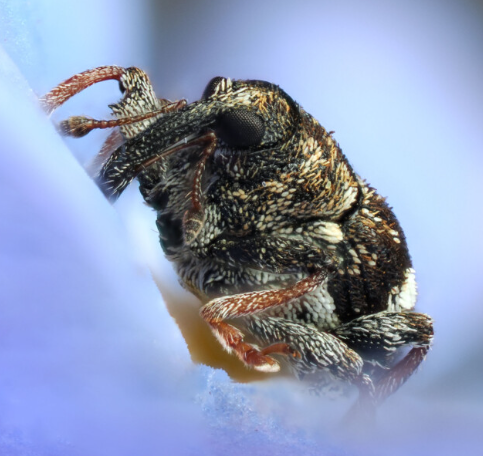
Capturing insect textures requires specific techniques tailored for macro photography. One effective method involves ‘focus stacking,’ where multiple images at different focal points are taken and combined in post-processing. This technique ensures that all details of the insect, from the eyes to the wings, remain sharp and clear.
Moreover, understanding your camera settings is critical for excellent macro photography. Use a smaller aperture (higher f-stop) to achieve a greater depth of field, which helps ensure more of your image is in focus. On the flip side, a larger aperture can create beautiful bokeh effects that draw attention to the insect itself. Practicing exposure settings and experimenting with shutter speeds can also dramatically change the mood and impact of your images.
-
- Practice focus stacking for enhanced depth of field.
-
- Experiment with different apertures to achieve a desired effect.
-
- Use manual focus for better control over your image.
-
- Utilize remote shutter releases to minimize camera shake.
-
- Try various shutter speeds to capture movement or stillness effectively.
4. Ethical Considerations in Insect Photography
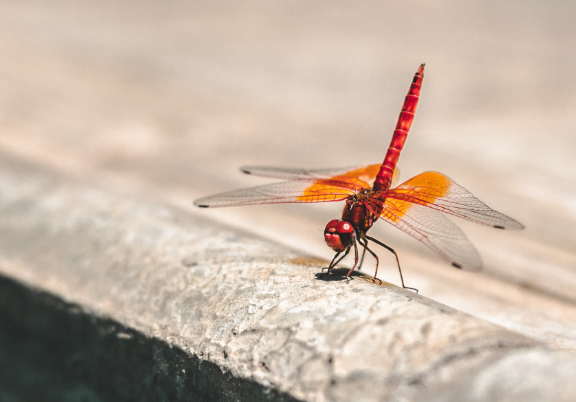
While macro photography opens up the world of insect detail, it is essential to approach this form of art with ethics in mind. Insects play crucial roles in ecosystems, and disturbing their habitat can have adverse effects. Always strive to observe insects in their natural environment without causing harm or disruption.
For example, avoid uprooting plants or moving rocks just to get a photograph. Respect natural habitats by keeping a safe distance and using long lenses when possible. Additionally, it’s crucial to leave the insect undisturbed post-shoot. This not only supports biodiversity but also helps maintain the integrity of the ecosystem you are exploring.
-
- Always conduct your photography in a manner that respects wildlife.
-
- Limit disturbance to the insect’s habitat; observe from a distance if necessary.
-
- Educate yourself about the local ecosystem and its needs.
-
- Practice ‘leave no trace’ principles when exploring natural areas.
-
- Consider sharing your photos to promote conservation efforts.
In summary, macro photography of insects opens up a world of intricate beauty waiting to be explored. By understanding your equipment, focusing on textures, employing useful techniques, and being ethically conscientious, you can elevate your photography while contributing positively to the natural world. Grab your camera and start exploring this fascinating field today!