
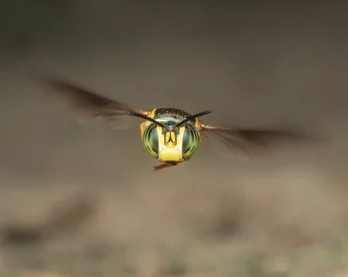
Photographing insects can be an enchanting and rewarding experience. With a bit of patience and the right techniques, you can capture stunning images that tell a compelling story about these fascinating creatures.
1. Understanding Your Equipment
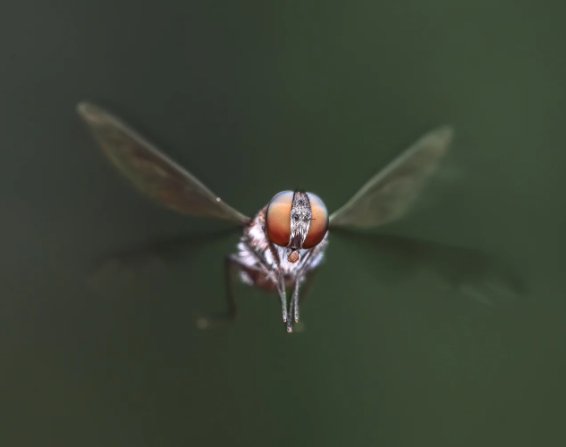
The first step in capturing beautiful insect photographs is to familiarize yourself with your equipment. A macro lens is essential for detailed close-ups, typically ranging from 60mm to 180mm. If you’re using a smartphone, consider investing in an external macro lens attachment, which can allow your device to focus on tiny subjects with incredible detail.
Additionally, you’ll want to consider your lighting setup. Natural light is often the best source, but it can be inconsistent. If you find yourself in low light conditions, using a ring light or a flash with a diffuser can help illuminate the insect without harsh shadows. Don’t forget to bring a tripod for stability, especially with close-up shots that require precision.
-
- Use a macro lens for sharp detail.
-
- Invest in a tripod for stability.
-
- Explore ring lights or diffused flashes for lighting.
-
- Check your camera settings for macro mode or higher ISO.
-
- Experiment with your smartphone’s macro lens attachment, if needed.
2. Choosing the Right Environment
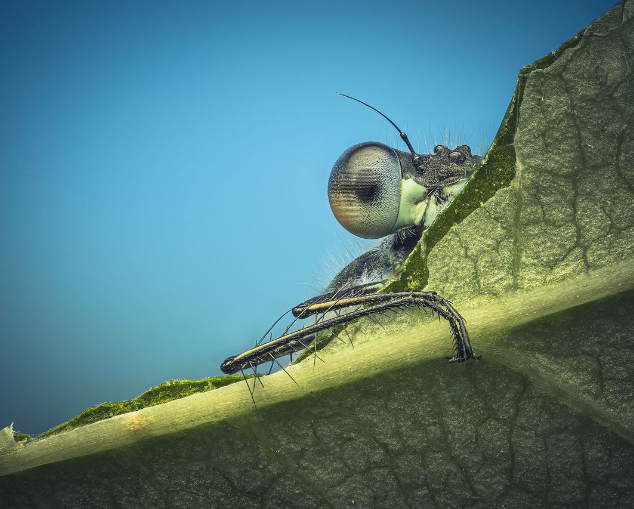
The environment where you photograph insects can make a world of difference. Look for gardens, wooded areas, or parks that are teeming with life. Early morning or late afternoon, when the sun is softer, often provides the best light for photography. These times also encourage insects to be more active, making them easier to capture.
Pay attention to the types of insects you want to photograph. Different species thrive in varying environments. For example, butterflies and bees are often found in blooming flowers, while beetles may be seen on decaying wood or leaf litter. Knowing where to look and what to expect will yield better results in your macro photography journey.
-
- Scout locations that are rich in biodiversity.
-
- Photograph during the golden hour for softness in light.
-
- Research specific insects to know their preferred habitats.
-
- Observe your surroundings for natural compositions.
-
- Consider the weather; sunny days are often best.
3. Mastering Composition Techniques
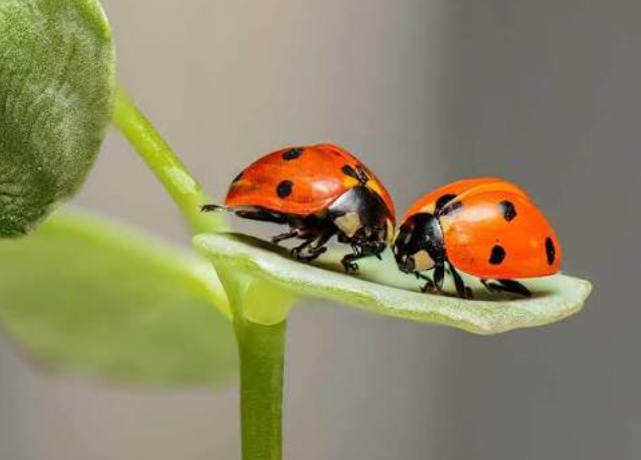
Composition is crucial when telling a story through your insect photography. Use the rule of thirds to draw the viewer’s eye to your subject. Place the insect off-center for a more dynamic and interesting image. Additionally, incorporating elements like flowers or leaves in the background can add layers and context to your story.
Pay attention to the background as well; a cluttered or distracting backdrop can take away from your subject. Consider using a shallow depth of field to blur the background while keeping the insect in sharp focus. This technique emphasizes the subject and creates a stunning visual impact.
-
- Utilize the rule of thirds for framing your shot.
-
- Incorporate natural elements for storytelling.
-
- Use a shallow depth of field to blur distractions.
-
- Experiment with angles for unique perspectives.
-
- Check for leading lines that guide the viewer’s eye.
4. Capturing Emotion and Behavior
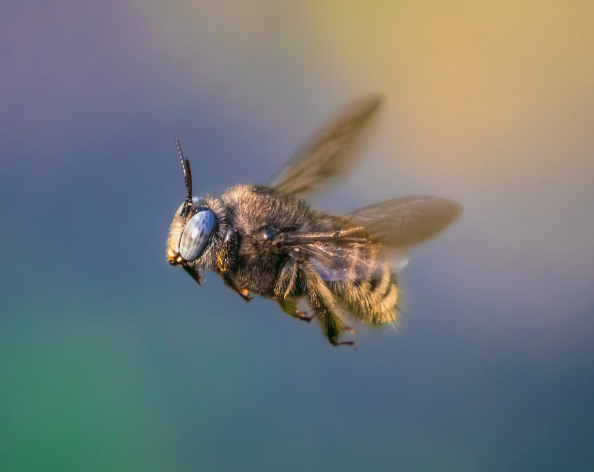
Great insect photographs don’t just showcase the creature; they convey emotion and behavior. Spend time observing your subject before taking pictures, as this will help you capture moments that tell a story—like a butterfly landing on a flower or a ladybug climbing a leaf. Use burst mode on your camera to capture a series of shots at once when the action begins.
Incorporating movement and interaction in your photos can add life to your images. Sometimes, stillness is just as captivating—consider focusing on insects at rest, highlighting their intricate details. This dual approach allows you to portray both the vibrancy and the quieter aspects of the insect world.
-
- Observe behavior before photographing.
-
- Use burst mode for action shots.
-
- Capture still moments to highlight details.
-
- Be patient and take your time.
-
- Aim to tell a story with each photo.
5. Editing for Impact
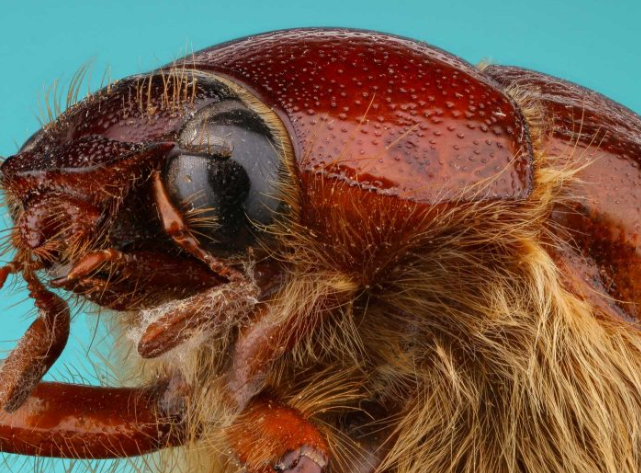
Editing your insect photographs can enhance their aesthetic and storytelling elements. Software like Adobe Lightroom or Photoshop provides tools to adjust brightness, contrast, and saturation, allowing you to emphasize the vibrant colors of your subject. Don’t hesitate to crop your images to achieve the best composition, removing any distractions that might interfere with your subject.
It’s also wise to consider enhancing the details, particularly in macro shots. Sharpening your images can make intricate features, like the hairs on an insect’s body or the delicate patterns on wings, stand out even more. However, remember that less is often more—over-editing can lead to unnatural results, so aim for a balance.
-
- Use editing software to enhance colors and contrast.
-
- Cropped images can improve composition.
-
- Sharpen details to emphasize features.
-
- Avoid over-editing for a natural look.
-
- Consider a consistent editing style for your portfolio.
In summary, photographing insects with macro storytelling is an art that combines technical skill with creativity and patience. Equip yourself with the right tools, observe the insects’ environments and behaviors, and experiment with composition and editing to develop your unique style. Start stepping into the world of macro photography and let your imagination take flight!