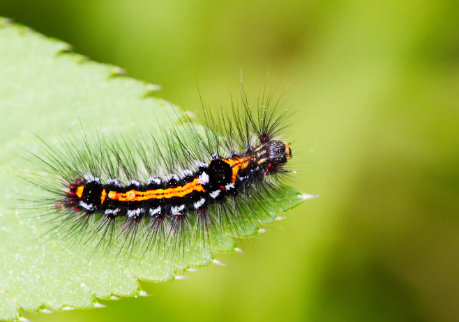
Capturing insects through the lens of abstract macro photography offers a unique and fascinating perspective. Not only does it showcase the intricate details of these tiny creatures, but it also allows photographers to experiment creatively with shapes, colors, and textures.
1. Understanding Macro Photography Techniques
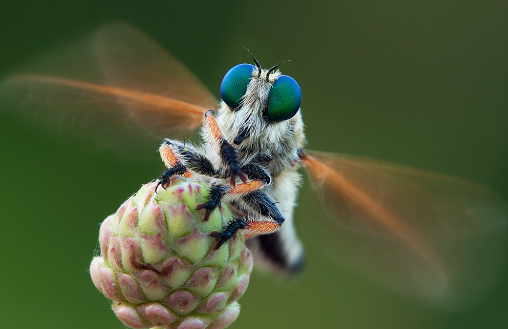
Before diving into abstract compositions, it’s crucial to grasp the fundamentals of macro photography. Generally, macro photography refers to taking photos of subjects at a 1:1 magnification ratio or greater. This allows you to capture detailed features of insects, such as their wings, legs, and eyes, that are often missed by the naked eye. Mastering focus, lighting, and composition will elevate your abstract images from ordinary to extraordinary.
Using a dedicated macro lens, which offers higher magnification and superior detail, will significantly enhance your photographic experience. Additionally, utilizing a tripod can stabilize your camera for clearer images, which is especially important when capturing the minute details of insects that can be easily missed during handheld shots.
-
- Invest in a dedicated macro lens for enhanced detail.
-
- Utilize a tripod to stabilize your camera.
-
- Experiment with different apertures to control depth of field.
-
- Make use of natural light or soft diffused lighting.
-
- Practice adjusting your settings to adapt to different environments.
2. Creating Abstract Compositions
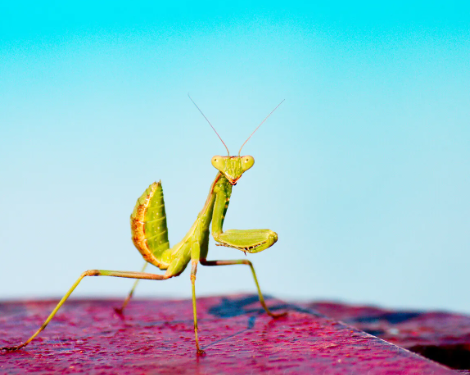
Once you understand basic macro techniques, it’s time to focus on creating abstract compositions. This involves going beyond simply documenting the insect and instead showcasing it as an art form. Look for unusual angles, vibrant colors, and captivating shapes. Consider using a shallow depth of field to blur out portions of the image, thus pulling the viewer’s attention toward the insect while creating a dreamlike atmosphere.
Textures play a crucial role in abstract compositions. The varied surfaces of insects, from the shiny exoskeletons of beetles to the delicate filigree of butterfly wings, can form compelling visual contrasts. Encourage spontaneity—sometimes the best abstract photographs happen when you capture an insect in an unexpected moment, whether it’s preening its wings or interacting with its environment.
-
- Explore unusual angles to showcase insects creatively.
-
- Use a shallow depth of field to isolate your subject.
-
- Incorporate vibrant colors and interesting textures.
-
- Stay patient and be ready to capture spontaneous moments.
-
- Experiment with intentional blurs to create a dreamlike effect.
3. Post-Processing Techniques for Enhancement
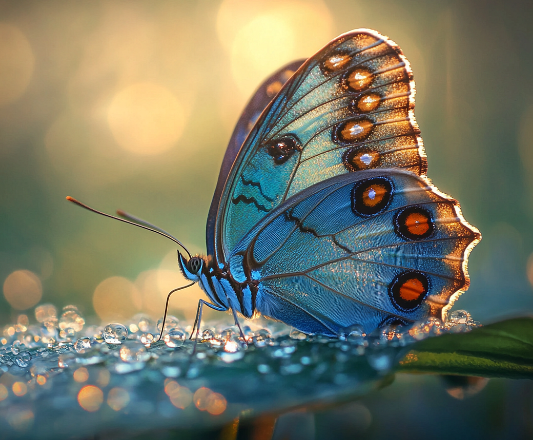
After capturing your images, post-processing can further refine your abstract insect photographs. Programs like Adobe Photoshop and Lightroom provide a platform to enhance colors, adjust contrasts, and manipulate lighting. Cropping can also allow you to focus more closely on the abstract elements within the image. Don’t hesitate to increase saturation or vibrance to make the colors pop, but use these features judiciously to maintain realism.
Filters and overlays can add an additional layer of creativity, allowing you to create textures and backgrounds that complement your subjects. However, it’s vital to maintain a balance; the goal of abstract photography is to elevate the viewer’s experience without overwhelming them with too many effects. Strive for a harmonious blend between the insect and its environment.
-
- Use post-processing software for color correction.
-
- Experiment with cropping to enhance composition.
-
- Adjust saturation carefully to make colors stand out.
-
- Add filters or overlays to introduce unique textures.
-
- Aim for a balanced enhancement, prioritizing subject clarity.
In conclusion, capturing insects through abstract macro compositions can be a rewarding and creative endeavor. By focusing on techniques, composition, and post-processing, you can develop an art form that is both visually stunning and unique. So, grab your macro lens, head outside, and see the world of insects in a whole new light!