
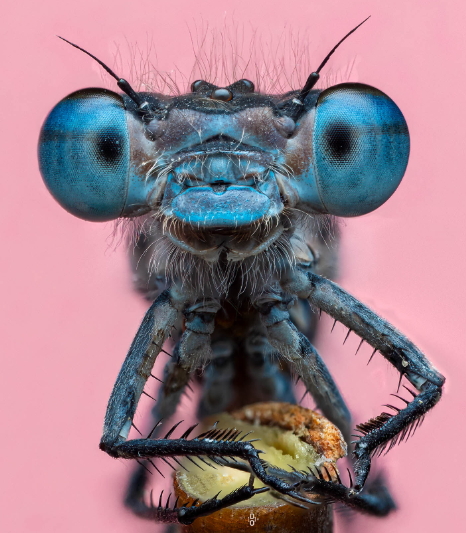
Macro photography of insects is an enthralling blend of art and science, capturing the beauty of the often-overlooked world of bugs. With the right techniques, equipment, and artistic flair, photographers can reveal minute details—like iridescent wings or delicate hair—transforming simple images into extraordinary works of art.
1. Understanding the Basics of Macro Photography
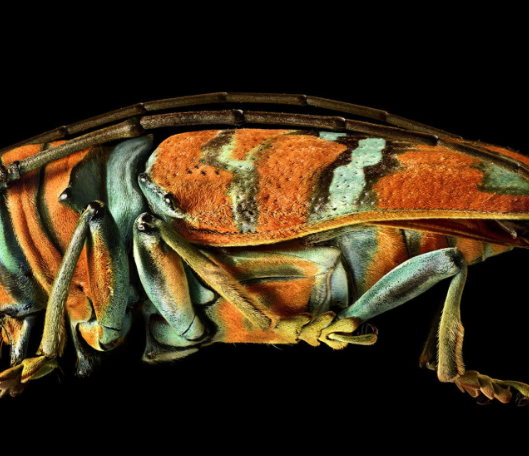
Before diving into the world of insect macro photography, it’s crucial to understand the terminology and equipment involved in this specialized field. Macro photography typically focuses on subjects that are life-size or larger, allowing details that are invisible to the naked eye to come into view. Familiarize yourself with terms such as depth of field, focal length, and aperture, as these will be pivotal in your photography journey.
The most commonly used equipment for macro photography includes a DSLR or mirrorless camera paired with a macro lens. A dedicated macro lens allows you to capture insect life with stunning detail. Additionally, a sturdy tripod can help stabilize your camera, ensuring crisp images even at high magnifications where even slight movements can lead to blurriness.
-
- Invest in a quality macro lens (typically 60mm or 100mm).
-
- Practice using manual focus for better control over sharpness.
-
- Understand and adjust your depth of field for better composition.
-
- Consider using a tripod for stability.
-
- Experiment with different lighting conditions to find what works best.
2. Composition Techniques for Captivating Insect Photography
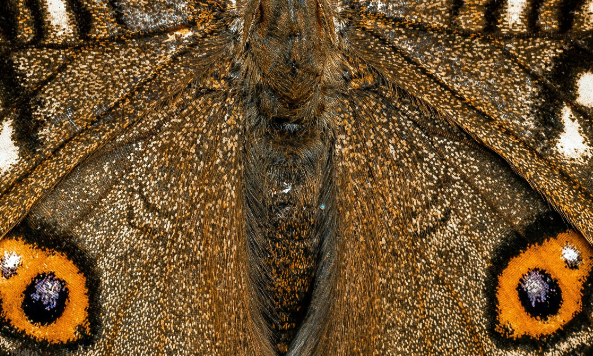
Composition plays a critical role in the aesthetic quality of insect macro photography. The rule of thirds is a foundational guideline that can help photographers create balanced and interesting images. By placing the insect off-center, you can draw attention to the entire scene, including the colors and textures surrounding it. Additionally, incorporating leading lines or framing elements, like leaves or flowers, can direct the viewer’s eyes to your subject.
Another effective technique is to play with the angle of your shots. Capturing insects from different perspectives can dramatically change the story an image tells. For instance, shooting from below can elevate the subject and make it look grand, while shooting from above can capture intricate details of their anatomy. Experimenting with angles not only adds variety to your photo collection but also boosts your creativity.
-
- Apply the rule of thirds for a balanced composition.
-
- Use framing techniques to emphasize your subject.
-
- Change your shooting angle to discover unique perspectives.
-
- Incorporate natural elements to enhance the background.
-
- Keep an eye out for contrasting colors to make your subject pop.
3. Mastering Light and Color in Macro Photography
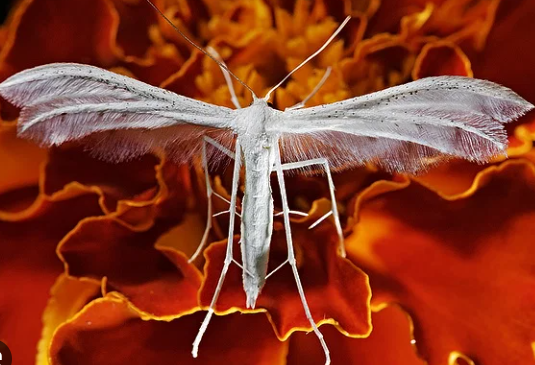
Lighting is one of the most influential elements in photography, especially in macro photography where you want to highlight fine details that can be easily lost in shadows. Natural light, especially during the golden hour right after sunrise or just before sunset, is often preferred due to its warm tones and soft shadows. However, using diffusers or reflectors can also mimic this effect even in harsher lighting conditions.
Artificial lighting can improve detail visibility and color vibrancy. Speedlights, ring lights, or softboxes can be advantageous for capturing insects in motion or when conditions are less than ideal. It’s essential to experiment with various lighting setups to understand how light interacts with your subject, as this knowledge will elevate your photos from ordinary to extraordinary.
-
- Utilize natural light during golden hours for the best results.
-
- Experiment with diffusers to soften harsh light.
-
- Use reflectors to bounce light and fill in shadows.
-
- Test artificial lighting for consistent results in varying conditions.
-
- Observe how different light angles affect colors and textures.
4. Patience and Practice: The Photographer’s Virtue
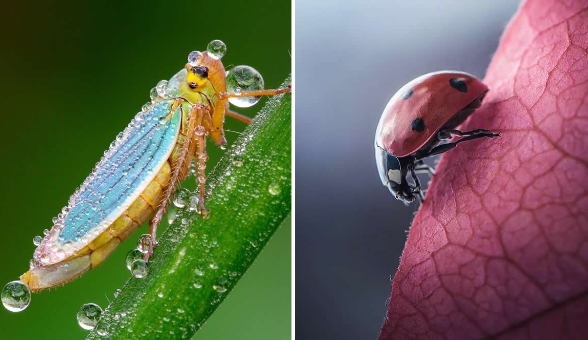
Macro photography of insects demands patience and persistent practice. Insects are often unpredictable; they may not sit still or may be on the move, making it essential to develop a calm approach. Spending time observing your subjects can lead to better chances of capturing them in moments that reveal their personality or intricate details. Sometimes, being ready for that fleeting moment is what makes your shot special.
Regular practice not only improves your technical skills but also helps you become better at anticipating an insect’s movement. Consider keeping a journal of your shoot to track what worked or didn’t—this will aid in refining your skills. Social media platforms and photography forums can also be excellent avenues for sharing your work and obtaining constructive feedback from fellow enthusiasts.
-
- Spend time observing insects before attempting to photograph them.
-
- Practice patience; great shots often require time and stillness.
-
- Keep a shooting journal to track your progress and techniques.
-
- Engage with photography communities online for feedback and tips.
-
- Schedule regular photo outings to build your comfort level.
Exploring the world of macro photography can be a rewarding and delightful experience. With practice, patience, and a keen eye for detail, you can create stunning images that not only capture the essence of insects but also reveal the hidden beauty of nature. Take your passion for photography further by venturing outdoors with your camera today—who knows what captivating moments await you!