
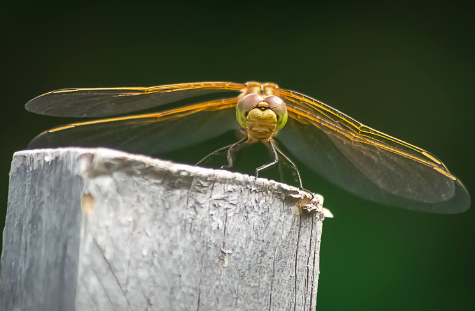
Macro photography of insects offers photographers a unique perspective that reveals the intricate beauty and complexity of the tiny world around us. By capturing these creatures up close, we can appreciate their details and behaviors in ways that the naked eye often misses. This blog will explore practical techniques and considerations to enhance your macro photography experience.
1. Understanding Your Equipment
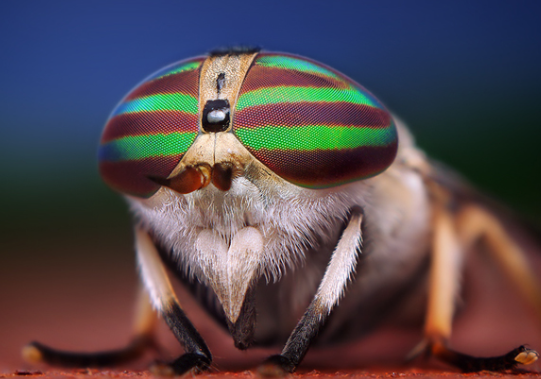
Choosing the right equipment is crucial for successful macro photography. A dedicated macro lens with a high magnification ratio is often the best choice, as it allows you to focus closely on your subjects and capture fine details. If you’re working with a standard lens, using extension tubes can also help achieve the necessary magnification. Learning how to adjust your camera settings for macro photography—like using a small aperture for greater depth of field—can significantly enhance the quality of your images.
Additionally, using a tripod is highly recommended for macro photography, as even the slightest movement can blur your images. A sturdy tripod ensures stability, allowing you to focus on composition and lighting without distractions. To further enhance your setup, consider using a ring light or pop-up flash, which can help illuminate subjects in dark environments.
-
- Invest in a dedicated macro lens.
-
- Experiment with extension tubes on standard lenses.
-
- Use a tripod to stabilize your shots.
-
- Adjust camera settings for ideal exposure.
-
- Explore additional lighting options for better visibility.
2. Finding Unique Angles
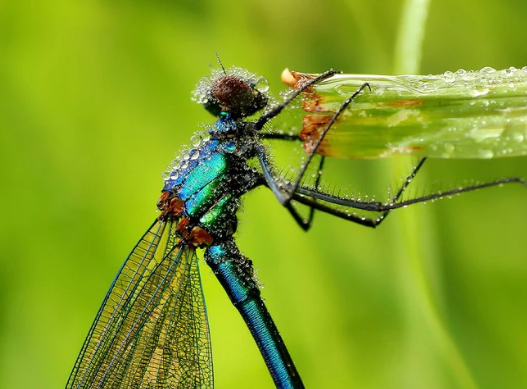
One of the most exciting aspects of macro photography is the ability to explore different angles. Instead of just shooting from eye level, try positioning yourself at various heights or even below your subject. This perspective can add drama and interest to your images, making them feel more dynamic and engaging. For instance, photographing an insect from an upward angle can highlight its intricate wing patterns against the sky.
Furthermore, consider using reflections or natural light sources, such as dew drops, to add additional elements to your composition. This not only enhances the aesthetic appeal of your images but also tells a story about the insect’s environment. Combining unique angles with creative elements can transform a simple shot into an extraordinary one.
-
- Experiment with angles—get low or come in from above.
-
- Incorporate reflections, like water or glass, to add depth.
-
- Utilize natural light sources to create interesting effects.
-
- Look for complementary backgrounds to enhance your subject.
-
- Be patient and take your time to find the right angle.
3. Mastering Lighting Techniques
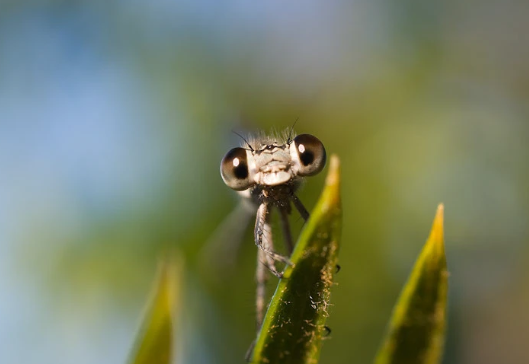
Lighting is a vital element in photography, especially in macro photography where shadows and highlights can significantly impact your image quality. Natural light is often the best option, as it creates a soft, even illumination that can enhance the colors and textures of your subject. However, shooting during the golden hour—shortly after sunrise or before sunset—can yield magical results with warm tones and dramatic shadows.
If natural light isn’t available, consider using artificial lights. Reflectors can direct light onto your subject, while diffusers can soften harsh lighting conditions. Experimenting with backlighting can also create striking visual effects that highlight intricate details, such as the translucent wings of a butterfly. Understanding how light interacts with your subject will ultimately elevate your photography.
-
- Utilize natural light during the golden hour for optimal results.
-
- Use reflectors to direct light onto your subject.
-
- Incorporate diffusers to soften harsh light.
-
- Experiment with backlighting for dramatic effects.
-
- Pay attention to shadows and highlights in your composition.
4. Patience and Observation
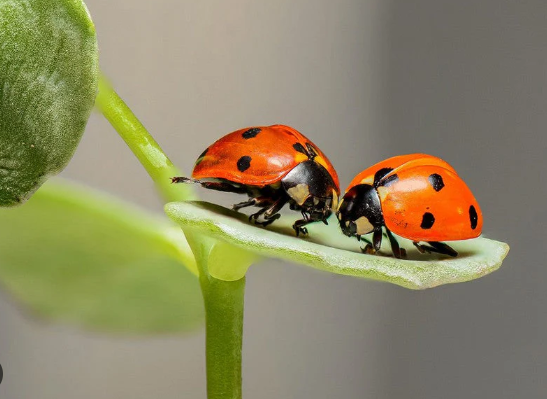
Successful macro photography often hinges on patience and keen observation. Insects are unpredictable, so it’s essential to take your time and wait for the right moment. Spend time observing their movements and behaviors before you shoot. This will not only help you anticipate their actions but also allow you to connect more deeply with your subject, making your photographic effort even more rewarding.
Another useful technique is to get accustomed to the insects’ habitats. Understanding where certain species like to linger can lead to more successful encounters. If you’re shooting a specific insect, research its habits and preferred environments, enabling you to plan your shoot effectively. This preparation makes the entire process smoother and enhances the likelihood of capturing remarkable images.
-
- Be patient and take your time when photographing insects.
-
- Observe their behaviors to anticipate movements.
-
- Study the habitats of your subjects for better encounters.
-
- Keep your distance initially, then gradually approach.
-
- Document your findings and experiences to improve.
In conclusion, macro photography of insects offers an opportunity to appreciate the complexity of the natural world, especially through unique angles and creative techniques. By investing in the right equipment, mastering lighting, finding unique perspectives, and exercising patience, you can capture stunning images that reveal the hidden wonders of microfauna. Now is the perfect time to grab your camera and start exploring this fascinating realm—every click could uncover a new story waiting to be told!