
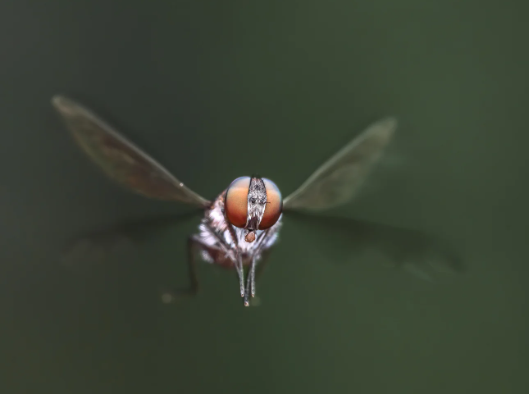
Photographing insects in backlit macro scenes can transform ordinary shots into breathtaking images. The combination of delicate details and illuminated subjects creates an ethereal quality that captivates viewers. This guide will walk you through the essential techniques and tips for capturing these stunning macro images.
1. Understanding Light and Composition
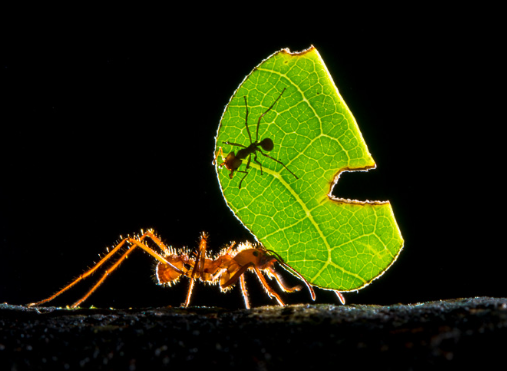
Light plays a critical role in backlit photography, especially when working with macro subjects like insects. When the sun is positioned behind your subject, it allows light to pass through the transparent wings or bodies of the insects, creating a glowing effect. Understanding how to manipulate this light is vital to achieving the best results in your photography.
Moreover, composition is equally important to elevate your images. Consider the rule of thirds when framing your shots, positioning the insect off-center for a more dynamic look. Including elements from the surrounding environment—like leaves, flowers, or other insects—can provide context and enhance the visual interest of your macro photos.
-
- Observe how light interacts with different insects throughout the day.
-
- Experiment with angles to find the most flattering perspective.
-
- Incorporate natural elements in your frame to provide depth.
-
- Use proper focusing techniques to bring out the details of your subject.
2. Camera Settings for Backlit Insect Photography
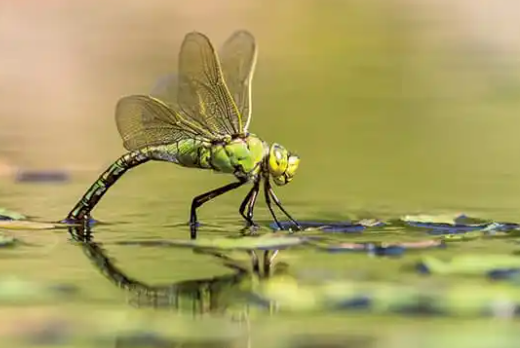
To effectively capture backlit insects, it’s essential to understand your camera settings. The use of a low ISO can help minimize noise, particularly when you’re shooting in natural light. Additionally, a lower aperture (like f/8 to f/16) helps create deeper depth of field, ensuring that more of your subject is in sharp focus, while also allowing the light to shine through.
Shutter speed is another important factor. A faster shutter speed can freeze the action, preventing motion blur, which is crucial when photographing insects as they often move quickly. Using a tripod or a stable surface can help you maintain stability, even at slower speeds, allowing you to achieve that magical backlit glow without sacrificing detail.
-
- Set your aperture to f/8 or higher for increased depth of field.
-
- Use a low ISO, around 100 to minimize noise.
-
- Adjust shutter speed based on the insect’s movement.
-
- Experiment with exposure compensation to fine-tune the lighting.
3. Choosing the Right Time and Location
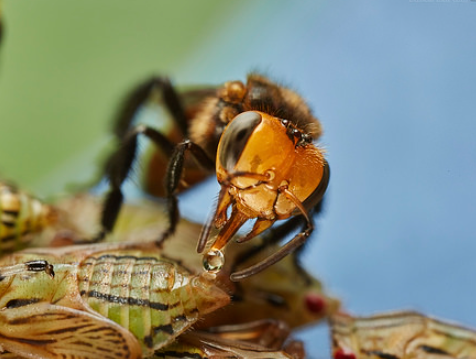
Timing is crucial for successful backlit insect photography. Early mornings or late afternoons are ideal as the sun is lower in the sky, providing softer light and creating a warm glow. This time also coincides with many insects being more active and easier to find. Locations like gardens, parks, or meadows are typically bustling with diverse insect life during these hours.
Additionally, visiting locations with varied vegetation can widen your options. Look for spots with flowers, tall grasses, or water sources, as these often attract more insects. Observing your surroundings quietly will help you identify the best places to set up for photographing your subjects. Patience is key; waiting for the insect to cooperate can lead to fantastic results.
-
- Plan your shoots during the golden hours of early morning or late afternoon.
-
- Scout locations with rich and diverse vegetation.
-
- Practice patience and maintain a low profile to avoid scaring insects.
-
- Be aware of changing light conditions as the sun moves.
4. Post-Processing Techniques
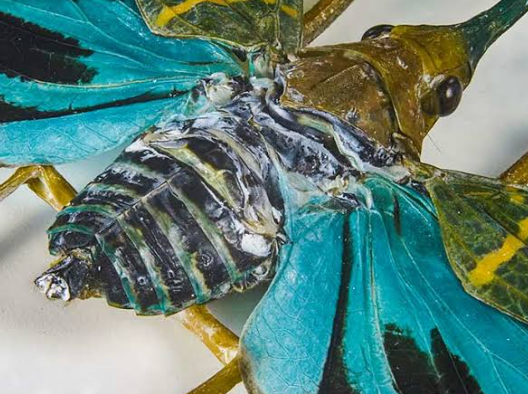
Once you’ve captured your insect images, post-processing can enhance your photographs significantly. Basic adjustments like cropping, exposure correction, and contrast manipulation can bring out the beauty in your backlit scenes. Tools such as Adobe Lightroom or Photoshop allow you to fine-tune details, sharpening the insect while softening the background to draw the viewer’s focus.
Moreover, consider experimenting with color adjustments to enhance the warm tones typical in backlit images. Sometimes, converting your images to black and white can also provide a striking contrast and emphasize textures. Ensure that you maintain a natural look, as over-editing can detract from the delicate details essential to macro photography.
-
- Use software like Lightroom or Photoshop for editing.
-
- Crop images to focus on the insect and reduce distractions.
-
- Adjust exposure and contrast to create depth.
-
- Experiment with color adjustments or black-and-white conversions.
In conclusion, photographing insects in backlit macro scenes can yield incredible results with the right approach and techniques. By understanding light, mastering camera settings, selecting the right time and location, and utilizing post-processing effectively, you can create stunning images that truly capture the beauty of these tiny creatures. So grab your camera, head outside, and start capturing the magic today!