
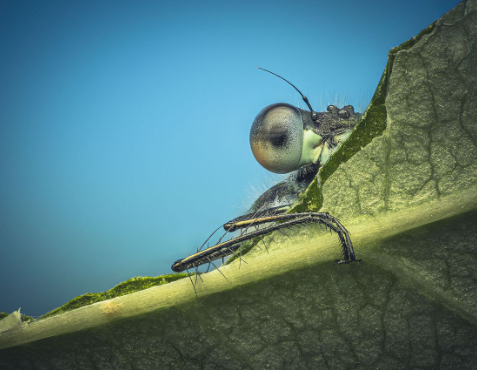
Capturing the intricate beauty of insects through macro photography can be both rewarding and challenging. With the right techniques and equipment, you can create stunning images that showcase the unique details of these fascinating creatures. In this blog post, we will explore essential tips to enhance your macro insect photography skills.
1. Choose the Right Equipment
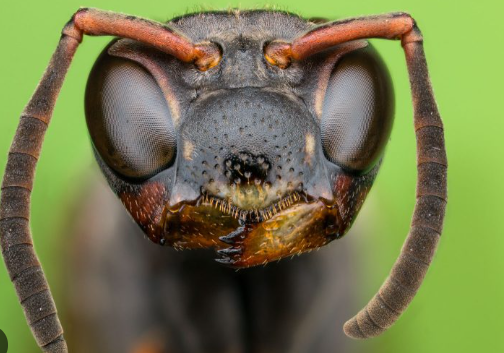
When it comes to photographing insects, having the right equipment can significantly impact your results. A dedicated macro lens is highly recommended, as it allows for greater detail and clearer shots at closer distances. Many photographers also use extension tubes to get even closer to the subjects, enhancing the macro effect without needing to invest in additional lenses.
Additionally, a sturdy tripod is essential for macro photography, as it reduces camera shake and allows for more stable shots. Investing in a ring light or a portable flash can also illuminate your subjects effectively, especially when photographing in shaded or low-light conditions.
-
- Consider a macro lens with a 90mm to 105mm focal length for optimal results.
-
- Use extension tubes for added versatility without buying new lenses.
-
- Utilize a tripod for stable shots and to avoid camera shake.
-
- Explore ring lights or portable flashes for effective lighting.
-
- Carry extra batteries and memory cards for extended shooting sessions.
2. Mastering Techniques in Composition
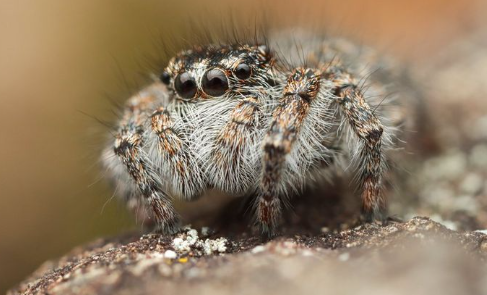
Composition plays a crucial role in macro photography, particularly when capturing insects. The rule of thirds is a valuable guideline; creatively positioning your subject can lead to more dynamic and engaging images. However, don’t hesitate to experiment with different angles and perspectives. Sometimes a low angle can add drama, while a top-down view can emphasize patterns and colors.
Another important aspect is focusing. Ensuring your subject’s eyes are sharp can draw viewers into the photograph. Focus stacking can be used to create images with greater depth of field, especially when multiple layers of detail exist. This technique involves taking several images at different focus points and combining them in post-processing.
-
- Follow the rule of thirds for balanced composition.
-
- Experiment with various angles to find the most compelling shot.
-
- Focus on the eyes of the insect for impactful images.
-
- Consider focus stacking for detailed depth of field.
-
- Explore natural backgrounds that complement your subject.
3. Patience and Preparation: The Key to Success
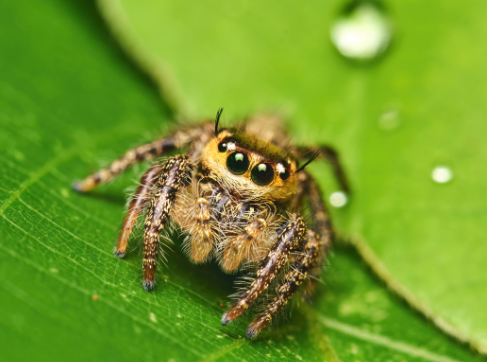
Macro photography often requires a great deal of patience. Many insects are sensitive to movement, so it is crucial to approach them slowly and quietly. You may need to wait for the perfect moment, whether it’s an insect interacting with its environment or resting on a flower. Learning about the habits and behaviors of your subjects can significantly improve your chances of capturing unique shots.
Additionally, preparation is vital. This includes scouting locations known for insect populations, such as gardens, parks, and forests, during peak activity times, usually early in the morning or late afternoon. Having a plan allows you to maximize your photographic opportunities and get the best shots available.
-
- Approach insects slowly to avoid startling them.
-
- Study your subjects’ habits and behaviors for better timing.
-
- Scout locations with high insect activity for the best opportunities.
-
- Utilize early morning or late afternoon light for vibrant images.
-
- Be patient and ready to wait for that perfect shot.
4. Post-Processing for Enhanced Visuals
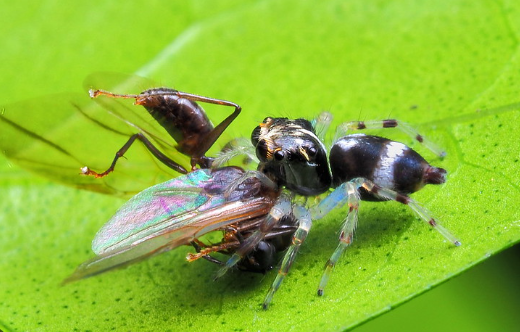
After capturing your macro shots, post-processing can elevate your photographs to the next level. Using software like Adobe Lightroom or Photoshop helps to fine-tune exposure, contrast, and sharpness. Boosting colors while maintaining a natural look can make your images pop, highlighting the intricate details of your subjects.
Consider removing distracting elements from the background as well, as this can help the insect stand out even more. Moreover, sharpening the image can help enhance the fine details of the insect’s body and features, bringing your macro photography to life. Remember to keep a balance; overstretching your edits may lead to unnatural results.
-
- Use post-processing software to enhance exposure and contrast.
-
- Boost colors while keeping a natural look.
-
- Remove distracting background elements to emphasize your subject.
-
- Sharpen images to bring out fine details without overdoing it.
-
- Save original files to allow further adjustments later.
In conclusion, photographing insects with macro focus precision requires a mix of the right equipment, mastery of techniques, patience, and effective post-processing. Armed with these tips, you can start capturing stunning visuals of these often-overlooked creatures in your surroundings. So grab your camera, head outdoors, and start exploring the tiny wonders of the insect world!