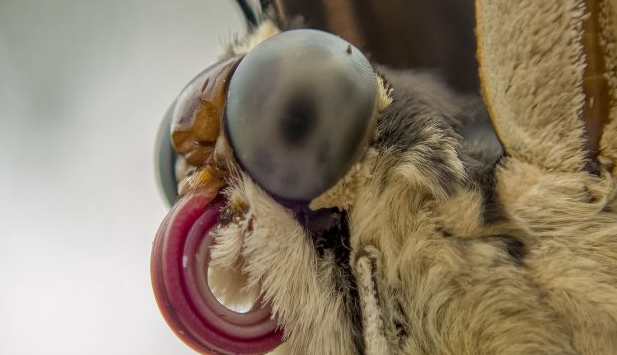
Macro photography opens up a fascinating window into the intricate world of insects, revealing details that the naked eye often misses. When combined with high dynamic range (HDR) imaging techniques, this type of photography can enhance the texture, colors, and overall depth of insect images, making them truly captivating.
1. Understanding the Basics of Macro Photography
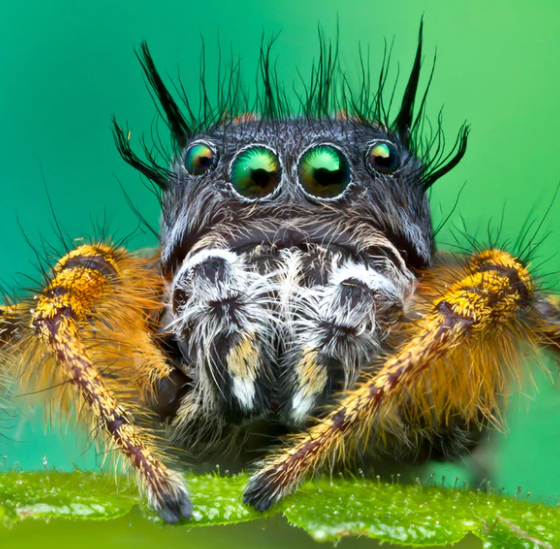
Macro photography specifically focuses on capturing small subjects, like insects, at a scale that’s much larger than life. Typically, macro shots require a dedicated macro lens that allows for extreme close-ups, often revealing the intricate structures of insect anatomy. When photographing insects, it’s essential to understand the depth of field, as it may become very shallow compared to regular photography, necessitating precise focus on the subject.
Setting the right exposure is crucial in macro photography. Insects can be highly reflective, which can lead to overexposed images. It’s advisable to shoot in manual mode to control exposure settings while using a tripod to ensure stability. This combination helps to make the most out of the lighting available, whether natural or artificial.
-
- Use a tripod to steady your camera.
-
- Select a dedicated macro lens for sharp details.
-
- Consider using manual mode for better control over exposure.
-
- Pay attention to your depth of field.
-
- Use a remote release to minimize camera shake.
2. Incorporating High Dynamic Range Techniques
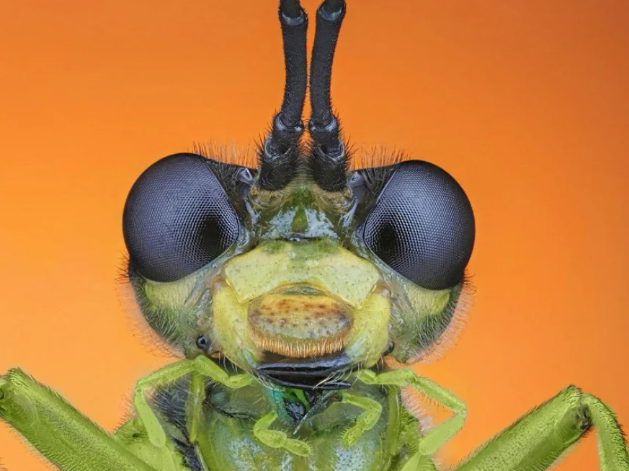
High dynamic range imaging involves taking multiple exposures of the same scene and merging them to capture details in both bright and dark areas. This technique is particularly useful in macro photography, where contrasts are common due to small depths and the reflective surfaces of insects’ bodies. By employing HDR, you can achieve a richer tonal range that compliments the intricate patterns and vibrant colors of insects.
To create an effective HDR image, you typically take three or more exposures—one underexposed, one correctly exposed, and one overexposed. Software like Adobe Lightroom or Photomatix can be used to blend these images. It’s important to have consistent framing and alignment, so using a tripod is essential for successful HDR macro photography.
-
- Take multiple exposures of the same subject.
-
- Create a consistent framing by using a tripod.
-
- Use HDR software for merging exposures.
-
- Experiment with different ranges to find what looks best.
-
- Review your results and adjust settings as needed.
3. Tips for Capturing Stunning Insect Images
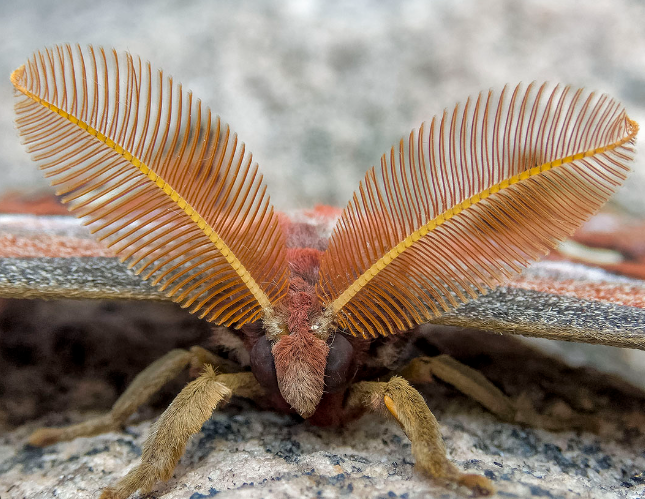
While macro photography of insects can be challenging, a few important tips can help you capture stunning images. First and foremost, patience is key. Insects can be unpredictable, and waiting for the right moment can make a significant difference in your shots. Additionally, understanding the behavior of your subjects can improve your chances of getting the perfect image.
Lighting plays a crucial role in photography, especially in close-up work. Natural diffused light is often preferable, but if that’s not available, consider using a ring flash or softbox to avoid harsh shadows. Lastly, framing and composition are vital; try to create interesting angles and perspectives to add depth and intrigue to your insect images.
-
- Practice patience and wait for the perfect shot.
-
- Study the behavior of insects to anticipate their movements.
-
- Utilize natural light or soft flashes for best results.
-
- Experiment with different angles and compositions.
-
- Review and adjust settings frequently during your shoot.
4. Post-Processing for Enhanced Results
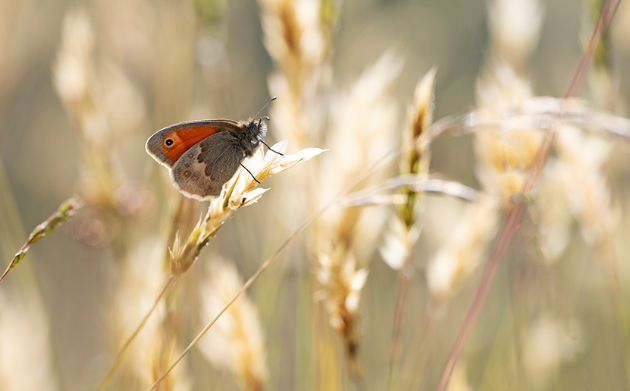
The post-processing phase is pivotal in bringing the best out of your macro insect images. Begin by adjusting exposure and contrast to highlight the details that HDR has brought forward. Editing software such as Photoshop and Lightroom offers tools that can help enhance colors, sharpen details, and remove distractions from the background.
Don’t hesitate to explore creative edits, such as adding a vignette for a more dramatic effect or cropping for better composition. Be careful not to over-process your image, as that can lead to unnatural results. Instead, aim to maintain the essence of your subject while enhancing its unique features.
-
- Use advanced editing software for finer controls.
-
- Enhance exposure and contrast to reveal details.
-
- Be mindful of colors to keep them realistic.
-
- Explore cropping for improved composition.
-
- Avoid over-processing to retain natural appearance.
5. Exploring New Areas in Macro Photography
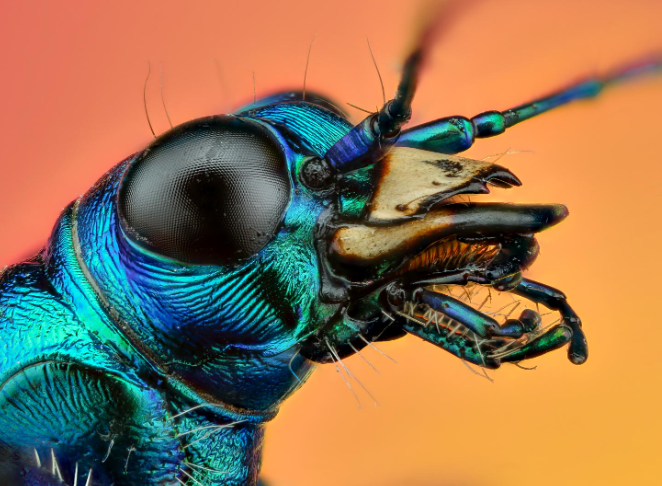
As you become more adept at macro photography, don’t limit yourself to just garden variety insects. Branch out to different environments like wetlands, forests, or urban areas where unique insects thrive. Each ecosystem provides various subjects that can yield fascinating results, enriching your portfolio and skills.
Attend workshops or join photography clubs where you can network with fellow enthusiasts. This is an excellent way to learn new techniques, exchange ideas, and gain exposure to different styles and subjects. The community aspect can also provide motivation to continually evolve as a photographer.
-
- Explore diverse environments for unique subjects.
-
- Join local photography groups for networking.
-
- Attend workshops to learn new techniques.
-
- Challenge yourself by experimenting with new styles.
-
- Document your progress and experiences.
In conclusion, macro photography combined with high dynamic range techniques opens up a captivating exploration of the insect world. By honing your skills and continually pushing the boundaries of your creativity, you can capture stunning images that highlight the beauty and detail of these small creatures. Don’t hesitate to embark on your next photographic journey; the world of macro photography awaits!