
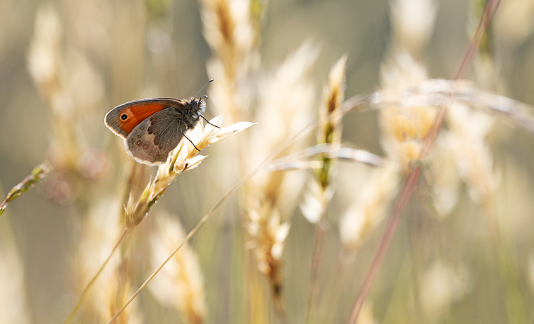
Photographing insects at a macro level can reveal stunning details that are often overlooked. This art form requires skill, patience, and the right equipment to achieve clarity and sharpness that makes your subjects come alive. Whether you’re an amateur or a budding entomologist, here are essential tips to help you capture these tiny creatures in magnificent detail.
1. Choose the Right Gear
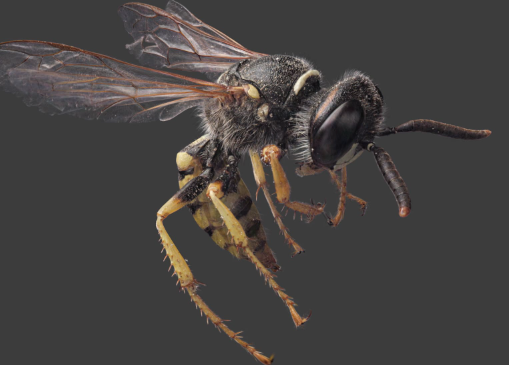
The first step in macro photography is selecting the appropriate gear. A dedicated macro lens is crucial, as these lenses allow you to capture extreme close-ups with exceptional detail. Most macro lenses offer a 1:1 magnification ratio, meaning the image on the sensor is the same size as the actual subject. Alternatively, you could use extension tubes with a standard lens, which will allow closer focusing but may affect image quality.
In addition to the lens, consider your camera body and tripod. A camera with a larger sensor can handle higher resolutions better, and a sturdy tripod helps stabilize your shots, minimizing blur caused by movement. Lastly, a good quality flash, or a ring light can illuminate your subject without casting harsh shadows, which is especially important in natural light settings.
-
- Invest in a dedicated macro lens for optimal results.
-
- Choose a sturdy tripod to keep your camera steady.
-
- Use extension tubes for additional versatility.
-
- Consider a flash or ring light for even lighting.
2. Understand Insect Behavior
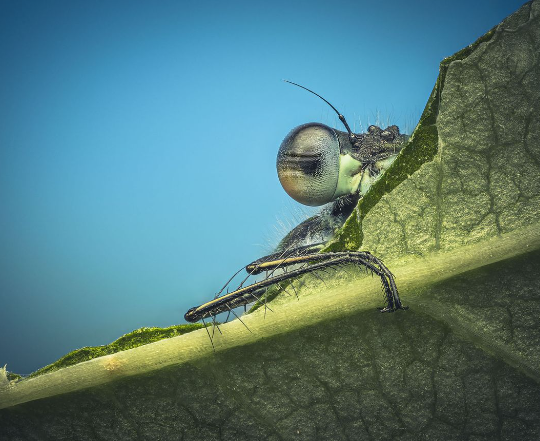
To capture insects effectively, it’s vital to understand their behavior and habitats. Insects often have specific times of day when they are most active. For instance, many bees and butterflies are particularly energetic during the warmer hours of the day. Spend some time observing their patterns so you can plan your photography sessions around these peak times for better results.
Additionally, knowing the right environment can make a significant difference. Environments like gardens, wetlands, and parks often have a diverse range of insect life, as they provide the flora essential for nutrition and breeding. Quiet locations are best; excessive movement or noise can scare insects away, resulting in missed opportunities for great shots.
-
- Observe your subjects to understand their behaviors and routines.
-
- Plan shoots during peak activity hours.
-
- Look for rich habitats that support a variety of insects.
-
- Stay quiet and still to avoid startling the insects.
3. Utilize Proper Techniques for Macro Photography
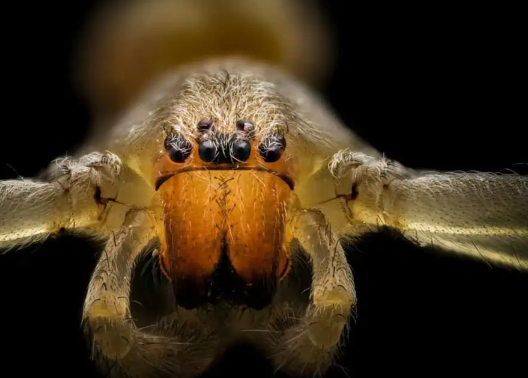
Once you are set with the right gear and have knowledge of insect behavior, mastering macro photography techniques is crucial. One vital technique is to focus on the insect’s eyes, as they are often the most expressive feature. Using manual focus can help achieve sharpness, as auto-focus may struggle due to the shallow depth of field at close distances.
Another tip is to adjust your aperture settings to control depth of field. Generally, a smaller aperture (higher f-stop number) will give you a greater depth of field, helping keep more of your subject in focus. However, beware of too much diffraction at very small apertures, which can soften your image details. Experiment with different settings to see what works best for your specific situations.
-
- Focus on the eyes of the insect for expressive detail.
-
- Use manual focus for precise control.
-
- Experiment with aperture settings for desired depth of field.
-
- Be aware of diffraction at smaller apertures.
4. Post-Processing for Enhanced Clarity
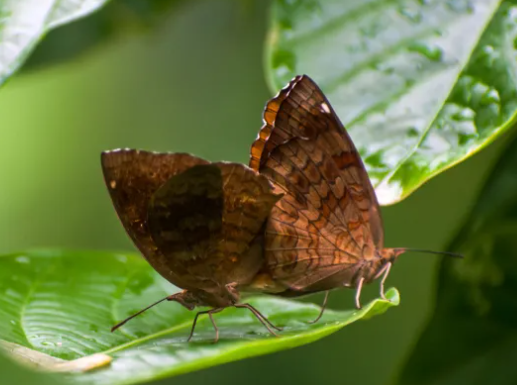
After capturing stunning macro photos, post-processing can further enhance clarity and sharpness. Use photo editing software like Adobe Lightroom or Photoshop to fine-tune your images. Adjusting contrast, saturation, and sharpness can make a significant difference. Additionally, utilizing techniques like sharpening and noise reduction can help maintain detail while enhancing the overall quality of the photo.
It’s also a good idea to crop your images wisely to focus on your subject. Ensure not to oversharpen, as this can introduce artifacts that detract from the quality of your photo. Remember, the goal of post-processing should be to accentuate the natural beauty of the subject, not to create an unnatural appearance.
-
- Use photo editing software to enhance clarity and detail.
-
- Adjust contrast and saturation for a more vibrant image.
-
- Consider sharpening and noise reduction techniques.
-
- Crop images wisely to emphasize your subject.
Capturing insects with macro clarity and sharpness is a rewarding challenge that combines technical skills with a passion for nature. With the right equipment, understanding of insect behavior, essential techniques, and post-processing knowledge, you can elevate your photography to new heights. Dive into the world of macro photography and discover the incredible details waiting to be captured!