
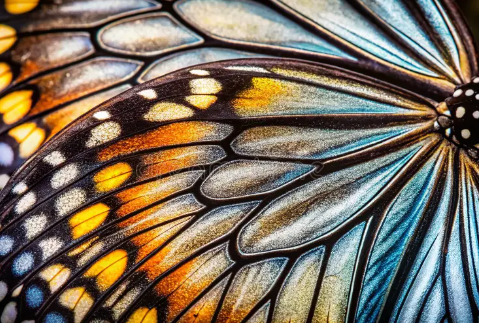
Macro photography allows us to delve into the intricate world of insects, revealing their stunning patterns and textures. Capturing these minute details not only showcases the beauty of nature but also promotes a deeper understanding of these small creatures.
1. Essential Gear for Macro Photography
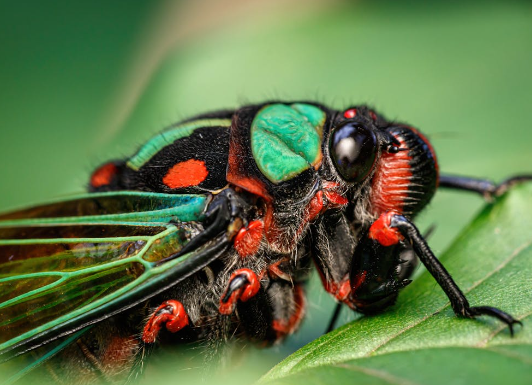
When venturing into macro photography, having the right equipment is pivotal. A good macro lens, typically with a magnification of 1:1, allows you to capture the intricate details of insects. Alternatively, extension tubes can be used with your existing lens to achieve close-up shots, though they may introduce some light loss. Additionally, using a sturdy tripod will help maintain stability and focus, especially when working at high magnifications.
Another crucial piece of equipment is the lighting. Natural light can be unpredictable, and using a ring flash or a dedicated macro LED light can provide even, soft lighting that highlights the intricate patterns on the subjects. Investing in a good set of reflectors may also help bounce light into shadowed areas, revealing details that might otherwise be missed.
-
- Choose a dedicated macro lens or extension tubes for close-up shots.
-
- Use a tripod for stability during shooting.
-
- Consider artificial lighting, such as a ring flash or LED lights.
-
- Carry reflectors to manipulate light effectively.
-
- Bring spare batteries and memory cards for long sessions.
2. Understanding Insect Behavior and Habitats
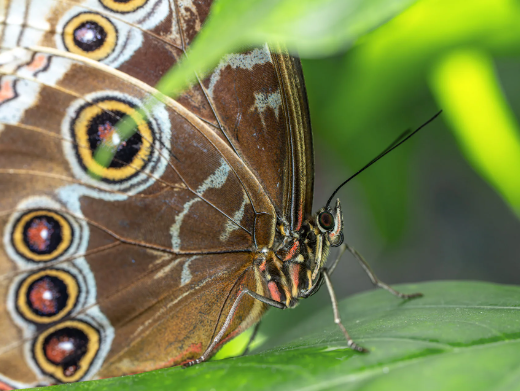
To photograph insects effectively, it’s essential to understand their behavior and preferred habitats. Many insects are most active at specific times of the day or in particular seasons. For instance, butterflies are typically active during the warm afternoon, while bees are buzzing around in early morning light. Observing these patterns will increase your chances of capturing stunning photographs.
Additionally, certain plants attract particular insect species. Familiarizing yourself with local flora can aid in locating your subjects. For example, particular flowering plants attract specific butterflies or bees. Spending time in such areas will not only provide chances for exciting shots but also help you appreciate the ecological relationships between insects and their environments.
-
- Research insect activity patterns for optimal shooting times.
-
- Identify local plants that attract different insect species.
-
- Observe insects from a distance to avoid spooking them.
-
- Document your findings to track locations of interesting subjects.
-
- Be patient and allow time for the perfect shot.
3. Techniques for Capturing Detailed Patterns
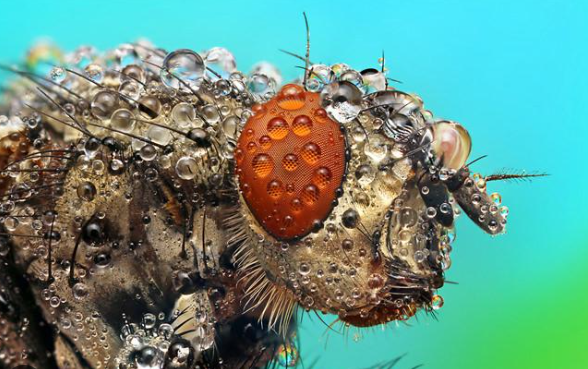
Once you’re in position and have identified your subject, employing specific techniques can enhance your macro photography. Focusing on the eyes of the insect can create a striking image, as they often showcase intricate patterns. Using a shallow depth of field can beautifully blur background distractions while keeping your subject sharply in focus.
Additionally, consider shooting from different angles. Insects can display unique patterns on their undersides, wings, or legs, which may not be visible from the usual vantage point. Experimenting with various angles and cropping techniques during post-processing can lead to sophisticated final images that highlight the details of the insect.
-
- Focus on the eyes to capture striking details.
-
- Utilize shallow depth of field for a professional look.
-
- Experiment with various angles for interesting perspectives.
-
- Incorporate natural elements for context.
-
- Take multiple shots to ensure you capture the best angle.
4. Post-Processing for Maximum Impact
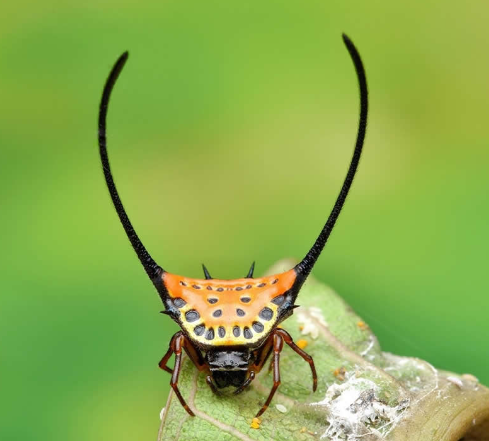
The magic doesn’t stop at capturing the image; post-processing can elevate your photographs significantly. Tools like Adobe Lightroom or Photoshop allow you to enhance colors, adjust contrast, and sharpen details, ensuring that the patterns of the insects are as vivid and engaging as possible. Cropping can also emphasize specific details or remove distracting elements from the background.
Learning how to utilize different filters can also add an artistic touch to your photos. For instance, a slight vignette can draw attention to the center of the image and add depth. Remember that post-processing should complement the image rather than detract from the natural beauty of the insect.
-
- Use post-processing software for color correction and sharpening.
-
- Crop images to emphasize the subject.
-
- Experiment with filters for creative effects.
-
- Maintain the natural look while enhancing details.
-
- Save your edits as new files to preserve originals.
In conclusion, close-up macro photography of insects is a rewarding and engaging pursuit that combines an appreciation for nature with artistic expression. By investing in quality gear, understanding insect behavior, honing your shooting techniques, and mastering post-processing, you can create stunning images that capture the intricate beauty of these small yet remarkable creatures. So grab your camera, head outside, and start exploring the mesmerizing world of insects!