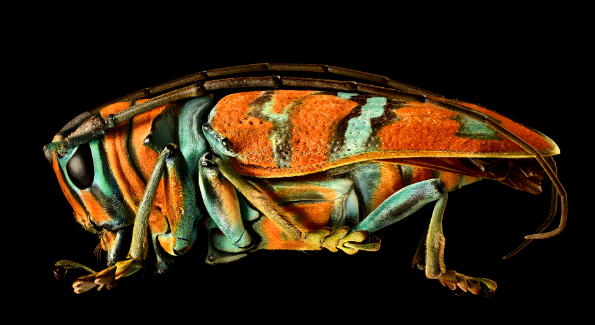
Macro photography of insects offers a fascinating glimpse into a world often overlooked. With a focus on natural textures, photographers can bring vibrant details and intricate patterns to life, revealing the beauty and complexity of these tiny creatures.
1. Understanding Insect Textures
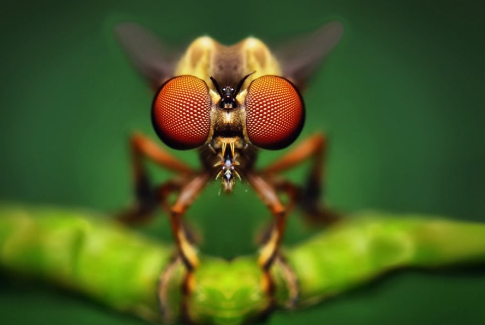
Every insect carries a unique texture that makes it distinct among its peers. From the delicate wings of a butterfly to the rugged exoskeleton of a beetle, these textures can help us identify species and learn more about their habitats. For instance, the scales of a butterfly’s wings can create striking patterns that sparkle in the sunlight, while a spider’s web reveals intricate silk threads that can add depth to macro photographs.
When photographing insects, paying attention to these textures can elevate your images significantly. Textures can range from smooth and shiny surfaces to fuzzy, hair-like features. Capturing these differences not only highlights the beauty of the insect but can also tell stories about their roles in the ecosystem. For example, the rough texture of a grasshopper can be symbolic of its ability to camouflage among grasses.
-
- Research different insects and their textures before heading out.
-
- Use a macro lens to capture detailed textures clearly.
-
- Experiment with angles to emphasize texture.
-
- Pay attention to lighting, as it can enhance or obscure textures.
2. Techniques for Capturing Insects in Detail
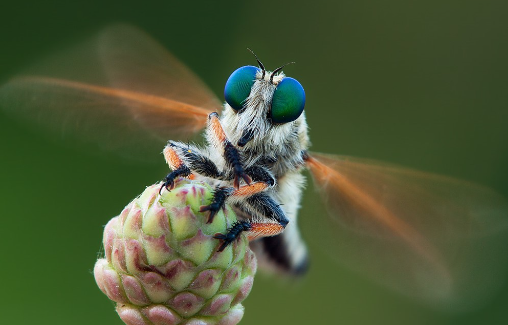
Capturing insects in macro photography requires specific techniques to ensure clarity and detail. The first step is to select the right equipment; a versatile macro lens can make a world of difference. Additionally, using a tripod can help stabilize your camera, especially when you are trying to focus on small details. Remember, insects can often move unexpectedly, so be prepared to adjust quickly!
Lighting is another critical factor to consider. Natural light is ideal for capturing the striking colors and textures of insects, but direct sunlight can create harsh shadows. Using diffused light, such as placing a translucent cloth over your flashlight or reflector, can help create softer shadows and even illumination. Positioning yourself correctly to utilize the light effectively can make your photos pop.
-
- Choose a quality macro lens; a 100mm lens is a great option.
-
- Use manual focus for precise control over your subject.
-
- Experiment with external flashes or reflectors to enhance lighting.
-
- Practice patience; insects often take time to settle.
3. Post-Processing to Enhance Textures
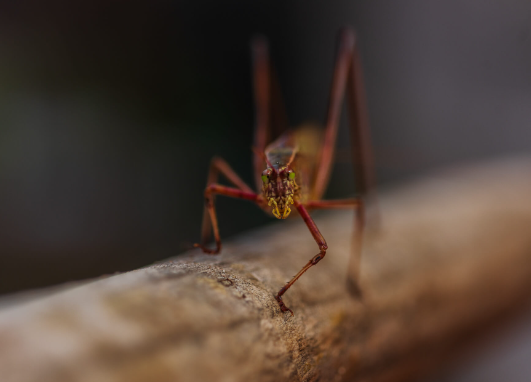
Post-processing is where the magic can really happen in macro photography. By using software like Adobe Lightroom or Photoshop, you can enhance the textures in your photos dramatically. Adjusting contrast and sharpness can help refine the details of an insect’s surface. For instance, increasing clarity can bring out the texture of tiny hairs or the iridescence of wings.
Color correction can also be essential in macro photography. Sometimes, the colors captured in the camera may need to be adjusted to reflect the actual appearance of the insect. Saturation settings can make the colors pop, while noise reduction can help ensure cleaner images, especially when shooting in low light conditions. Remember to maintain a natural look while still enhancing features.
-
- Use software that allows for detailed editing.
-
- Experiment with different filters to find your style.
-
- Keep an eye on color calibration; use a color chart if necessary.
-
- Save original files in case you want to redo edits later.
4. Ethical Considerations in Insect Photography
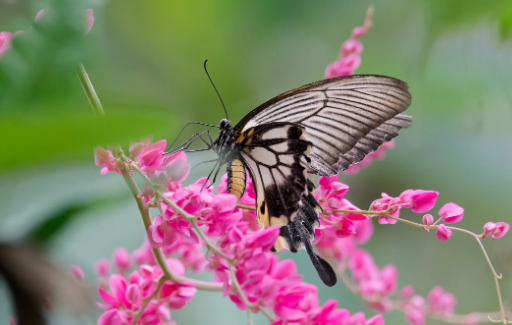
As with any photography, ethics play a crucial role, especially in the realm of nature photography. When photographing insects, it’s vital to ensure that you are not disturbing their natural behavior or habitat. For instance, tread lightly in environments that may be fragile or sensitive, and avoid removing insects from their surroundings for prolonged periods.
Practicing compassion towards insects is essential. Insects contribute significantly to our ecosystem, from pollinators like bees to soil aerators like beetles. To maintain a respectful distance, consider using longer lenses to capture images without intruding on their space. Making informed decisions in your photography can both protect the species you’re photographing and enhance the integrity of your work.
-
- Research local ecosystems before photographing insects.
-
- Avoid handling bugs unless absolutely necessary.
-
- Be mindful of the time spent photographing to minimize stress on insects.
-
- Respect wildlife regulations and guidelines when in nature.
Macro photography of insects opens a whole new world of beauty and intricacy, allowing us to appreciate these small creatures in ways we’ve never seen before. The blend of technique, ethics, and artistry can lead to stunning images that tell compelling stories. As you dive into this captivating field, remember to always approach nature respectfully and keep honing your skills!